


Embarking on a hiking adventure is one of my favorite ways to connect with nature, but I've learned that the difference between a memorable trek and a miserable one often comes down to how youwear your hiking pack. As someone whos spent years on the trail, I cant overstate the importance of a properly fitted and packedbackpack.
Not only does it keep yourgearorganized and accessible, but it also prevents unnecessary strain and discomfort, letting you focus on the journey ahead.
The first step to mastering how to wear a hiking pack is understanding the fundamentals ofweight distributionandfit. The majority of your packs weight should rest on yourhips, not your shoulders, thanks to well-adjustedhip straps.This ensures that your legsyour bodys strongest musclescarry the load efficiently, reducing fatigue and minimizing the risk of injury. I always recommend loosening all straps before putting on your pack, then tightening thehip beltfirst, followed by theshoulder strapsandsternum strapfor optimal stability and comfort.
Equally crucial is how youpack your backpack: keepheavier itemsclose to your back and centered around your mid-back, while lighter, less-used items go at the bottom or around the sides.This technique not only improves yourbalancebut also makes it easier to access essentials on the trail. By following these best practices, youll be well-equipped to tackle any hike with confidence, knowing yourhiking packis working with you, not against you.
Get 10% OFF ACEBEAM High-Power Lighting Tools for Hiking

Choosing the Right Hiking Pack
Before you can wear a hiking pack properly, you need to select the right one for your needs. The perfect pack will depend on various factors, including the type of hiking you plan to do, the duration of your trips, and the gear you need to carry. Here are some tips on picking a good hiking pack that suits your specific requirements and enhances your trail experience.
Size and Capacity
The first step in choosing a hiking pack is determining the appropriate size and capacity. Consider the length of your trips and the amount of gear you'll need to carry. For day hikes, a smaller pack with a capacity of 20-30 liters should suffice, offering enough space for essentials without being cumbersome. For multi-day treks, you'll need a larger pack, typically ranging from 50 to 70 liters or more, to accommodate additional gear such as a sleeping bag, extra clothing, and more food supplies.
In addition to the basic size considerations, think about the specific items you'll be carrying. Are there any bulky or irregularly shaped items that need to fit comfortably in your pack? Some packs are designed with expandable compartments or external attachments to help manage larger items. Understanding your packing list and the nature of your gear will guide you in selecting a pack that meets your capacity needs without unnecessary bulk.
Fit and Comfort
A well-fitting hiking pack is crucial for comfort and support. Look for packs with adjustable straps and padded shoulder and hip belts. These features allow you to customize the fit of the pack to your body, helping to distribute weight evenly and reduce strain. Try on different packs and adjust the straps to ensure a snug fit. The weight of the pack should be evenly distributed across your hips and shoulders, preventing any one area from becoming fatigued.
When assessing comfort, consider taking a short walk with the pack on to simulate hiking conditions. Pay attention to any pressure points or areas where the pack may rub or chafe. Remember, what feels comfortable in the store might feel different after hours on the trail, so take your time to ensure you find the right fit. Some outdoor stores offer fitting services or even allow you to rent and test packs before making a purchase.
Features and Accessories
Modern hiking packs come with various features and accessories that can enhance your hiking experience. Look for packs with multiple compartments for organization, hydration reservoir compatibility, and external attachment points for items like trekking poles or sleeping bags. These features can add convenience and functionality, making it easier to manage your gear and stay hydrated on the move.
Consider additional features such as built-in rain covers, which can protect your gear in wet conditions, or ventilation systems that promote airflow and reduce sweating. Reflect on your specific needs and preferences to select a pack with the right combination of features. While some features may seem minor, they can significantly impact your comfort and efficiency on the trail, so choose a pack that aligns with your hiking style and the environments you plan to explore.
Packing Your Hiking Pack

Once you've chosen the right pack, it's time to pack it efficiently. Proper packing ensures balance, accessibility, and comfort during your hike. By strategically organizing your gear, you can maintain stability on uneven terrain and quickly access items as needed, enhancing your overall hiking experience.
Create a Hiking Essentials Checklist
Before you start packing, create a checklist of hiking essentials. This will help you remember important items and avoid overpacking. Essential items typically include water and hydration systems, first-aid kits, navigation tools (map, compass, GPS), weather-appropriate clothing, food and snacks, and emergency shelter (tent, bivvy sack, or tarp). Tailor your checklist to the specific demands of your hike, considering factors such as weather conditions, terrain, and trail length.
As you refine your checklist, think about the potential challenges and emergencies you might face on the trail. Including items like a multi-tool, extra batteries for your devices, and a whistle can prepare you for unexpected situations. Regularly updating your checklist based on past experiences and changing conditions can help ensure youre always prepared for whatever the trail throws your way.
Pack Heaviest Items First
When packing your hiking pack, start with the heaviest items. Place them close to your back and in the middle of the pack. This helps maintain balance and stability while hiking, as the center of gravity remains close to your body. Heavy items often include your tent, cooking gear, and food supplies. Arranging these items strategically minimizes the risk of fatigue and makes navigating uneven terrain more manageable.
Consider the specific shape and size of each heavy item to find the most efficient way to pack them. For instance, a tent might fit better vertically, while cooking gear could be stacked horizontally. Experiment with different configurations to find the best balance and ensure the pack remains comfortable as you move.
Use Compression Sacks and Packing Cubes
Compression sacks and packing cubes are excellent tools for organizing and compressing your gear. Use them to pack clothing, sleeping bags, and other soft items. This not only saves space but also keeps your gear organized and easily accessible. By compressing your gear, you can create more room in your pack for additional essentials or reduce its overall bulk, making it easier to carry.
Beyond space-saving, these tools can help protect your gear from the elements. Many compression sacks are water-resistant, offering an added layer of protection against rain or moisture. Consider labeling your packing cubes or using different colors for quick identification, helping you locate specific items without having to unpack everything.
Hiking Guides
Is hitch hiking illegal | Can i wear hiking boots for walking | How to lace up hiking boots |Is hiking the Donner Pass Train Tunnel Safe
Distribute Weight Evenly
Distribute the weight of your gear evenly throughout the pack. Keep heavier items low and near your back to maintain balance. Lighter items, such as clothing and sleeping gear, can go on top and along the sides. This arrangement helps prevent the pack from tipping backward and keeps the load stable, allowing for a more comfortable hiking experience.
As you distribute weight, take into account the total weight of your pack. Aim to keep it within 20-25% of your body weight to avoid unnecessary strain. Regularly reassessing and readjusting the contents of your pack during breaks can ensure the load remains balanced, especially if you consume food or use items along the way.
Organize for Accessibility
When packing, think about the items you'll need to access frequently during your hike. Place these items in external pockets or near the top of the pack. This includes snacks, water bottles, rain gear, and navigation tools. Having these items readily accessible allows you to stay hydrated, energized, and prepared for sudden weather changes without having to unpack your entire pack.
Consider your personal hiking habits and preferences when organizing for accessibility. If you frequently stop to take photos, keep your camera or smartphone within easy reach. Understanding your specific needs on the trail will help you organize your pack in a way that maximizes convenience and efficiency.
How to Wear Your Hiking Pack
Knowing how to properly wear your hiking pack is crucial for comfort and injury prevention. A well-fitted pack can make the difference between an enjoyable hike and a painful ordeal. Here are some tips to ensure you wear your pack correctly and maintain optimal comfort throughout your journey.
1. Adjust the Shoulder Straps
Start by putting on your pack and adjusting the shoulder straps. The straps should be snug but not too tight. The weight of the pack should rest on your hips, not your shoulders. Adjust the load lifters, which are small straps connecting the top of the pack to the shoulder straps, to bring the pack closer to your body. This setup helps distribute weight evenly and reduces pressure on your shoulders, promoting better posture and comfort.
As you adjust the shoulder straps, pay attention to their alignment with your body. They should contour to your shoulders without causing pinching or discomfort. If you're hiking on varied terrain, periodically check and readjust the straps to accommodate changes in body position and maintain optimal balance.
2. Secure the Hip Belt
The hip belt is the primary support for your hiking pack. Fasten it around your hips, not your waist, and tighten it securely. The hip belt should carry most of the pack's weight, reducing strain on your shoulders. When correctly adjusted, the hip belt allows your hips to bear the load, utilizing the body's natural strength and stability.
Take the time to properly position and secure the hip belt, as it plays a critical role in your overall comfort. Ensure the padding sits comfortably on your hip bones, and avoid over-tightening, which can restrict movement or cause discomfort over long distances. A well-secured hip belt can significantly enhance your endurance and hiking enjoyment.
3. Adjust the Sternum Strap
The sternum strap, located across your chest, helps stabilize the shoulder straps and prevent them from slipping off your shoulders. Adjust the sternum strap to a comfortable height and fasten it securely. This strap helps maintain the shoulder straps' position, reducing the risk of chafing and improving overall pack stability.
While the sternum strap is a small component, its proper adjustment can greatly enhance your pack's fit and comfort. Experiment with different heights to find the most comfortable position for your body. Remember that the strap should not constrict your chest or impede your breathing, so adjust it according to your comfort level and personal preferences.
4. Check for Comfort and Balance
Once all straps are adjusted, walk around with your pack to ensure it's comfortable and balanced. Make any necessary adjustments to improve fit and comfort. Remember, a well-fitted pack should feel like an extension of your body, not a burden. Testing your pack's fit in a controlled environment allows you to identify and correct any issues before hitting the trail.
During your hike, continuously monitor your pack's fit and balance, especially when navigating challenging terrain or after making adjustments to its contents. Regularly checking for comfort and balance helps prevent strain and enhances your overall hiking experience, allowing you to focus on the adventure rather than discomfort.
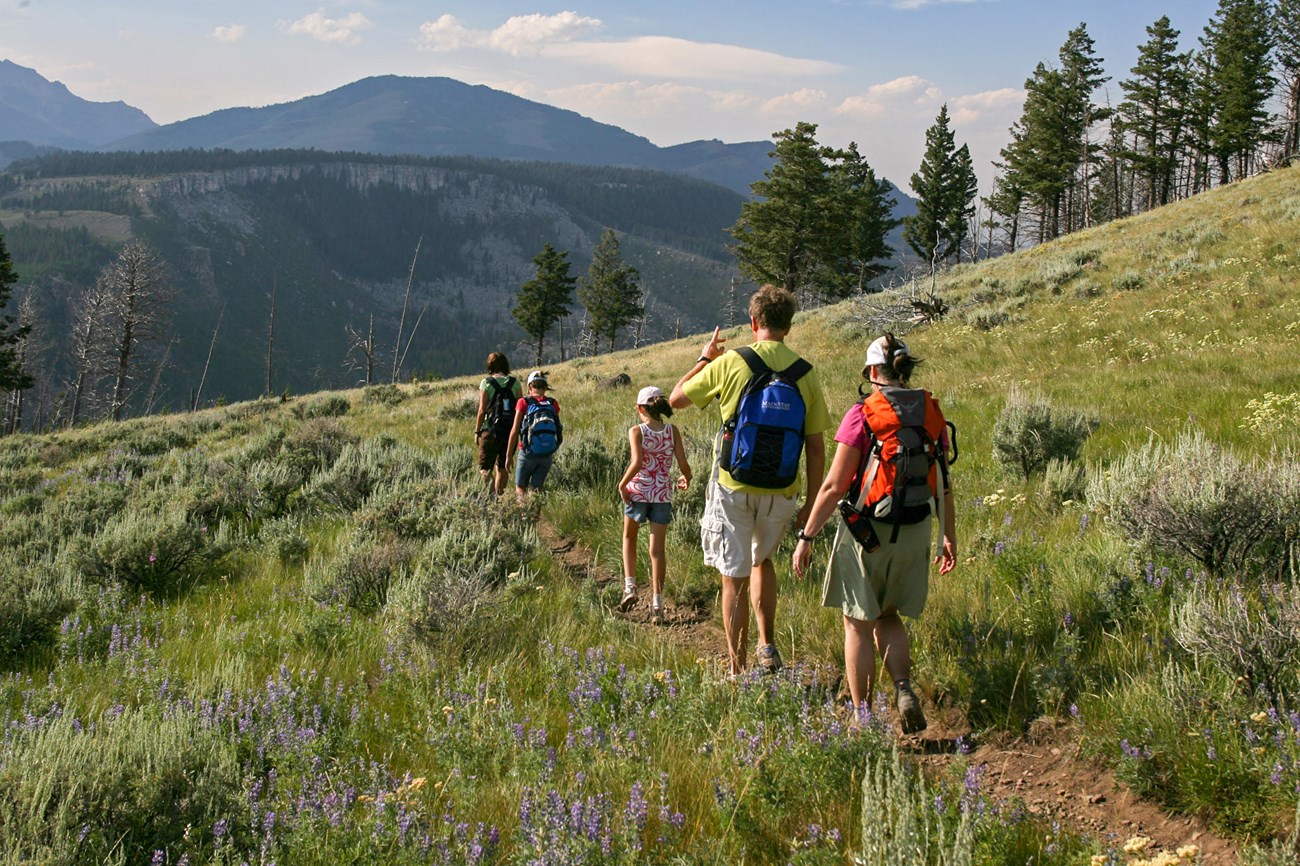
Hiking Preparation Tips
Proper preparation is key to a successful hiking trip. By anticipating challenges and equipping yourself with the right tools and knowledge, you can ensure a safe and enjoyable adventure. Here are some additional tips to ensure you're ready for your adventure:
Test Your Gear
Before heading out on a long hike, test your gear on shorter trips. This allows you to become familiar with your equipment and make any necessary adjustments. Testing your gear helps identify potential issues, such as faulty zippers or uncomfortable fits, which you can address before embarking on a longer journey.
Consider simulating various trail conditions during your tests, such as packing your gear for wet weather or uneven terrain. Understanding how your equipment performs in different scenarios will help you make informed decisions about what to bring and how to pack for your actual hike.
Practice Packing
Packing your hiking pack efficiently takes practice. Experiment with different packing methods to find what works best for you. Consider creating a backpacking diagram to visualize your packing plan. This visual guide can serve as a reference when packing for future hikes, ensuring consistency and efficiency.
As you practice packing, pay attention to how different configurations affect the pack's balance and accessibility. Take note of any improvements or adjustments needed, and refine your packing strategy over time. Practicing and perfecting your packing technique can save time and reduce stress when preparing for your hikes.
Stay Informed
Stay informed about trail conditions and weather forecasts before your hike. Being prepared for changing conditions can prevent unexpected challenges on the trail. Check local weather reports and trail advisories, and adjust your plans accordingly to ensure a safe and enjoyable experience.
In addition to monitoring weather and trail conditions, research any specific regulations or guidelines for the area you'll be hiking in. Understanding local rules and respecting the environment can enhance your experience and contribute to the preservation of natural spaces for future hikers.
How to Wear a Backpack for Hiking - Conclusion
Wearing a hiking pack properly is an essential skill for any outdoor enthusiast. By choosing the right pack, packing it efficiently, and adjusting it for a comfortable fit, you'll be well-prepared for your hiking adventures. Remember, a well-packed and properly worn hiking pack can make all the difference in ensuring a safe and enjoyable journey. Happy hiking!
Investing time and effort into mastering these skills not only enhances your immediate hiking experience but also builds a foundation for future adventures. Whether youre exploring familiar trails or venturing into new territories, the principles outlined here will serve you well. Embrace the journey, respect nature, and enjoy the rewards of a well-prepared hiking adventure.







