

Safes are an ideal means to securely store valuables and precious items; there are different types, wall-mounted or freestanding. The range of safes is wide, including wall-mounted or freestanding models, with digital or key locking, and dimensions and solidity perfect for private homes, offices, shops, for storing documents, valuables, and precious items.
Wall-Mounted Safes

The key moment in installing a wall safe is evaluating the best location. This means not only where we think it's best for use, but also, and above all, which wall has the right characteristics to support it. The wall must be inspected carefully to assess if at that point the wall has sufficient thickness: beyond the depth of the safe, with an additional margin of at least 3 centimeters, there must still be a wall thickness comparable to a row of bricks. This likely means that in most homes, the wall safe can only be installed in perimeter walls, the thicker ones, or in correspondence with blind technical cavities, without interfering with any existing systems inside.
Find Bleeding Edge Supplements at Scandalous Prices on iHerb.

Digital and Key
The first opening of the digital safe must be done by placing the 9-volt battery, included in the package, on the appropriate contacts on the keypad, respecting the polarity of the contact, indicated with “+” and “-”. The battery powers the opening system during the first activation, but also later, if the internal batteries run out. While keeping the battery in contact with the terminals, enter the main code or the personal code preset by the factory and press the confirmation button.
For a secure installation, consider pairing your safe with quality home improvement tools to ensure proper mounting. If you're placing it in a home office, a sturdy desk nearby can keep documents organized, while an ergonomic office chair makes long work sessions comfortable.
How to Install Wall Safes
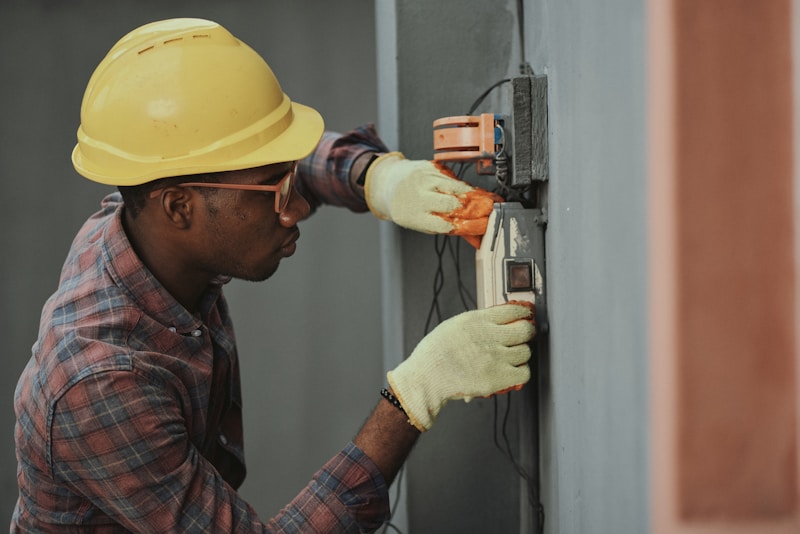
To install a wall safe, first choose a location that is discreet yet accessible. Mark the outline on the wall, then cut into the masonry using a suitable tool. Ensure the cavity is deep enough for the safe plus the extra 3 cm margin. Insert the safe, level it, and secure it with anchor bolts or masonry screws. Finally, conceal any gaps with plaster or sealant.
Where Not to Install It
Avoid installing wall safes in thin interior walls, near plumbing or electrical lines, or in obvious places like behind paintings that are easily moved. Also, steer clear of walls that are load-bearing without professional assessment, as cutting into them could compromise structural integrity.
Freestanding Safes
Freestanding safes offer flexibility as they can be placed on floors, in closets, or on sturdy furniture. They are ideal for renters or those who cannot modify walls. Choose a model with digital or key lock based on your preference for convenience or traditional security.
Digital or Key
Digital safes provide quick access via code entry, while key safes offer reliability without batteries. For high-traffic areas like a living room, a sofa can be arranged to hide the safe, or a TV entertainment unit can double as camouflage. In a bedroom, consider a bed with built-in storage or a nightstand to keep the safe out of sight.
For Proper Functioning
Ensure the safe is placed on a flat, stable surface to prevent tipping. For digital models, check battery levels monthly and keep spare batteries handy. Lubricate key locks annually with graphite powder. Avoid exposing the safe to extreme temperatures or humidity, which can damage electronics or cause rust.
To complement your safe, explore lighting options to illuminate the area, or add rugs for a softer floor. For outdoor properties, a shed or greenhouse might hide a secondary safe, while outdoor lighting enhances security around entry points.
Frequently Asked Questions
What is the difference between digital and key safes?
Digital safes use an electronic keypad for code entry, offering quick access and the ability to change codes. Key safes rely on a physical key, which can be lost or duplicated but doesn't require batteries. Both provide security; choose based on your preference for convenience vs. simplicity.
Can I install a wall safe myself?
Yes, with basic DIY skills and tools, you can install a wall safe. However, for load-bearing walls or complex masonry, professional installation is recommended to avoid structural damage. Always check for hidden pipes or wires before cutting.
How do I maintain a digital safe?
Regularly test the keypad and replace batteries every 6-12 months. Keep the keypad clean and dry. If the safe fails to open, use the emergency key override (if available) or contact the manufacturer for support.
Where should I place a freestanding safe?
Place it in a discreet location, such as a closet, under a desk, or behind furniture. Ensure it's on a solid, level surface and bolted down if possible to prevent theft. Avoid areas prone to moisture or extreme temperatures.
What size safe do I need?
Consider what you'll store: documents, jewelry, or electronics. Measure your items and choose a safe with interior dimensions that accommodate them, plus some extra space. Wall safes typically range from 260-400 mm wide, 180-250 mm high, and 150-195 mm deep.
- For home offices, pair your safe with bookcases or display shelving to organize documents.
- In living areas, hide the safe behind wall decor or mirrors.
- For outdoor storage, consider a storage bench or pergola with hidden compartments.
- Enhance security with outdoor heating to deter loitering near entry points.
- Complete your space with curtains for privacy and mattresses for a restful bedroom.
Browse Grand Goldman Home Decor
Discover unique craftsmanship home decor and furniture at the Grand Goldman Shop.
Best Products We’ve Tested and Rated

Our testing team has hands-on reviews of stair climber machine, elliptical trainer, rowing machine, gummies nerve pain, and coffee creamer diabetics. Every option below was compared across price, build quality, and real-world performance, with honest pros and cons. We update these guides regularly as new models arrive, so the recommendations stay current.
Our testing team has hands-on reviews of tanning lotion, castor oil knee pain, tirzepatide compounding pharmacy, chewing gum, and morning tea. Every option below was compared across price, build quality, and real-world performance, with honest pros and cons. We update these guides regularly as new models arrive, so the recommendations stay current.
Browse the Shop
 Acacia frida deluxe solid wood bed frame |
Bedroom bench |
Bed chest drawers |
Lingerie dresser |
Frame base |
Mirror with jewelry storage |
30 Bathroom Vanity |
Memory foam queen mattress |
Mattresses for back pain |
Nightstand set of 2 |
Grand Goldman Shop |
Civil Lawyer
Deutschland Trikot WM 2026
Acacia frida deluxe solid wood bed frame |
Bedroom bench |
Bed chest drawers |
Lingerie dresser |
Frame base |
Mirror with jewelry storage |
30 Bathroom Vanity |
Memory foam queen mattress |
Mattresses for back pain |
Nightstand set of 2 |
Grand Goldman Shop |
Civil Lawyer
Deutschland Trikot WM 2026










