

Installing artificial turf is an increasingly popular solution for creating well-maintained green spaces without the need for watering or frequent mowing. Understanding how to lay synthetic grass allows you to achieve a uniform, durable surface suitable for various settings, from home gardens to terraces and outdoor recreational areas. The goal is to carry out meticulous work that ensures stability, good drainage, and long-lasting performance.
Preparing the Base: Materials and Equipment
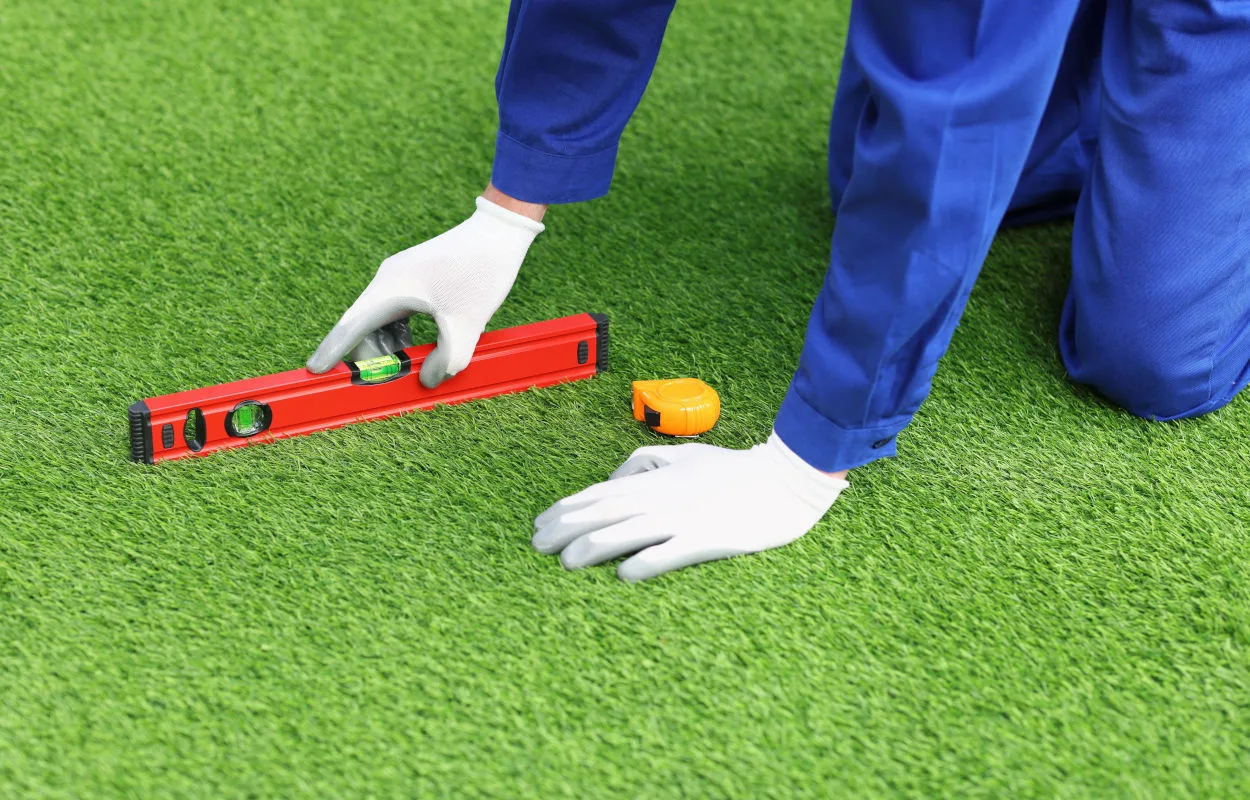
The initial phase requires particular attention, as a properly prepared sub-base affects the stability of the turf and its drainage capacity. A well-leveled base reduces the appearance of unevenness over time. For optimal results, it's helpful to have the right tools and materials on hand, such as a compactor and geotextile fabric. These elements facilitate the creation of a homogeneous layer and prevent weed growth. If you need to refresh your garden layout, consider complementing your new lawn with some garden supplies to keep the surrounding area tidy.
Find Bleeding Edge Supplements at Scandalous Prices on iHerb.

Commonly used tools include:
- Shovel or spade
- Rake for distributing material
- Roller or vibrating plate for compacting
- Sharp utility knife
- Bucket of silica sand if final finishing is planned
Good base preparation prevents subsidence and significantly improves the aesthetic result. For larger projects, having the right home improvement tools can make all the difference in achieving a professional finish.
How to Lay Synthetic Grass: Leveling and Soil Stabilization
The ground must be cleared of debris, stones, and roots, ensuring a smooth and compact surface. Removing the top few centimeters of soil is useful to create space for the drainage layer. During this phase, it's important to manage drainage carefully to avoid water stagnation. If you're also planning to upgrade your outdoor seating area, browse our selection of outdoor patio furniture to create a cohesive relaxation zone.
Installing Geotextile Fabric and Weed Prevention
Laying a geotextile membrane over the compacted base is a critical step. This fabric acts as a barrier, preventing weeds from growing through the artificial grass while still allowing water to drain freely. Overlap the edges by at least 10-15 cm and secure them with landscape staples. For added outdoor ambiance, consider coordinating your new lawn with stylish outdoor decor elements like planters or garden statues.
Installing Artificial Grass on Concrete or Tiled Surfaces
If you are laying synthetic grass on a hard surface like concrete or tiles, the process is slightly different. Ensure the surface is clean, dry, and free of any loose material. You may need to use a specialized adhesive or double-sided tape instead of stakes. A drainage layer might not be necessary if the existing surface already slopes adequately. To complete the look of your patio, explore our range of outdoor lighting to highlight your new green area in the evenings.
Rolling Out the Synthetic Turf and Optimizing Cuts
Unroll the artificial grass and let it rest for a few hours to allow the material to acclimatize and any creases to flatten out. Position the rolls so that the pile direction is consistent across the entire area. Use a sharp utility knife to cut the turf to shape, trimming around obstacles like trees or flower beds. For precision cutting, make small incisions from the back of the backing material. If you're creating a multi-functional outdoor space, a pergola can provide much-needed shade over your new lawn.
Joining Techniques Between Panels
When joining two pieces of artificial grass, ensure the edges align perfectly and the pile direction matches. Apply a strip of joining tape underneath the seam, then use a high-quality outdoor adhesive. Press the edges firmly together and weigh them down with heavy objects while the glue sets. This technique creates an almost invisible seam. For a complete backyard transformation, consider adding a BBQ grill nearby for summer entertaining.

Securing the Synthetic Turf at the Edges
Along the perimeter of the installation area, secure the turf using galvanized landscape staples or nails spaced about 20-30 cm apart. For edges against walls or curbs, use a bead of adhesive to hold the grass firmly in place. Proper edge fixing prevents the turf from lifting or curling over time. To define the boundaries of your garden space, you might also look at storage benches that double as seating and edge definition.
Finishing with Silica Sand and Brushing
Once the turf is fully secured, spread silica sand evenly across the surface using a drop spreader or by hand. The sand helps weigh down the turf, protects the backing from UV rays, and encourages the blades to stand upright. After spreading, brush the grass vigorously with a stiff broom or a power brush in the opposite direction of the pile. This step is essential for achieving a natural, lush appearance. For indoor-outdoor flow, consider matching your new lawn with complementary rugs for your patio or sunroom.
Common Mistakes to Avoid During Installation
- Skipping the geotextile layer: This leads to weed growth and uneven surfaces.
- Poor drainage preparation: Water pooling can damage the turf and create odors.
- Incorrect pile direction: Mismatched pile orientation makes seams obvious.
- Insufficient sand infill: Without enough sand, the turf may not stay flat.
- Rushing the adhesive curing: Seams can pull apart if not given enough drying time.
Frequently Asked Questions
How long does artificial grass last?
With proper installation and maintenance, high-quality synthetic turf can last 15 to 20 years. Factors like foot traffic, UV exposure, and base preparation all affect longevity. Pair your investment with durable outdoor heating to extend your outdoor living season.
Can I install artificial grass myself?
Yes, DIY installation is possible for smaller areas. However, for large or complex spaces, professional installation is recommended to ensure proper drainage and seamless joins. If you're setting up a home office to plan your project, comfortable office chairs can help you work efficiently.
Do I need to use silica sand?
While not always mandatory, silica sand is highly recommended for most installations. It stabilizes the turf, protects the backing, and helps the blades remain upright for a natural look. For your indoor spaces, consider coordinating with curtains that complement your new outdoor aesthetic.
How do I clean artificial grass?
Regular maintenance includes removing debris with a leaf blower or rake, rinsing with a garden hose, and brushing the fibers occasionally. For pet areas, use a mild detergent solution to neutralize odors. A shed can be a great place to store your cleaning tools and supplies.
Can artificial grass be installed on a slope?
Yes, but it requires careful planning for drainage. The base must be properly compacted, and additional anchoring may be needed to prevent slippage. For steep slopes, professional installation is strongly advised. To complete your landscape design, explore greenhouses for growing plants alongside your synthetic lawn.
Browse Grand Goldman Home Decor
Discover unique craftsmanship home decor and furniture at the Grand Goldman Shop.
Best Products We’ve Tested and Rated

Our testing team has hands-on reviews of pickleball equipment beginners paddles gear, breakfast champions morning meals fuel day, wimbledon awards player epic matches drama, 35mm rangefinder, and mat garage. Every option below was compared across price, build quality, and real-world performance, with honest pros and cons. We update these guides regularly as new models arrive, so the recommendations stay current.
Our testing team has hands-on reviews of gloves arthritic hands, gifts men, gloves on amazon, wedges beginners high handicappers, and golf pants. Every option below was compared across price, build quality, and real-world performance, with honest pros and cons. We update these guides regularly as new models arrive, so the recommendations stay current.
Browse the Shop
 Acacia frida deluxe solid wood bed frame |
Bedroom bench |
Bed chest drawers |
Lingerie dresser |
Frame base |
Mirror with jewelry storage |
30 Bathroom Vanity |
Memory foam queen mattress |
Mattresses for back pain |
Nightstand set of 2 |
Grand Goldman Shop |
Civil Lawyer
Deutschland Trikot WM 2026
Acacia frida deluxe solid wood bed frame |
Bedroom bench |
Bed chest drawers |
Lingerie dresser |
Frame base |
Mirror with jewelry storage |
30 Bathroom Vanity |
Memory foam queen mattress |
Mattresses for back pain |
Nightstand set of 2 |
Grand Goldman Shop |
Civil Lawyer
Deutschland Trikot WM 2026










