

Your bedroom is your sanctuary, the most intimate space in your home. And color defines its soul. If a single shade feels too plain and impersonal, painting your bedroom with two colors is the choice that can transform a simple wall into a style statement, creating depth, character, and the atmosphere you've always dreamed of.
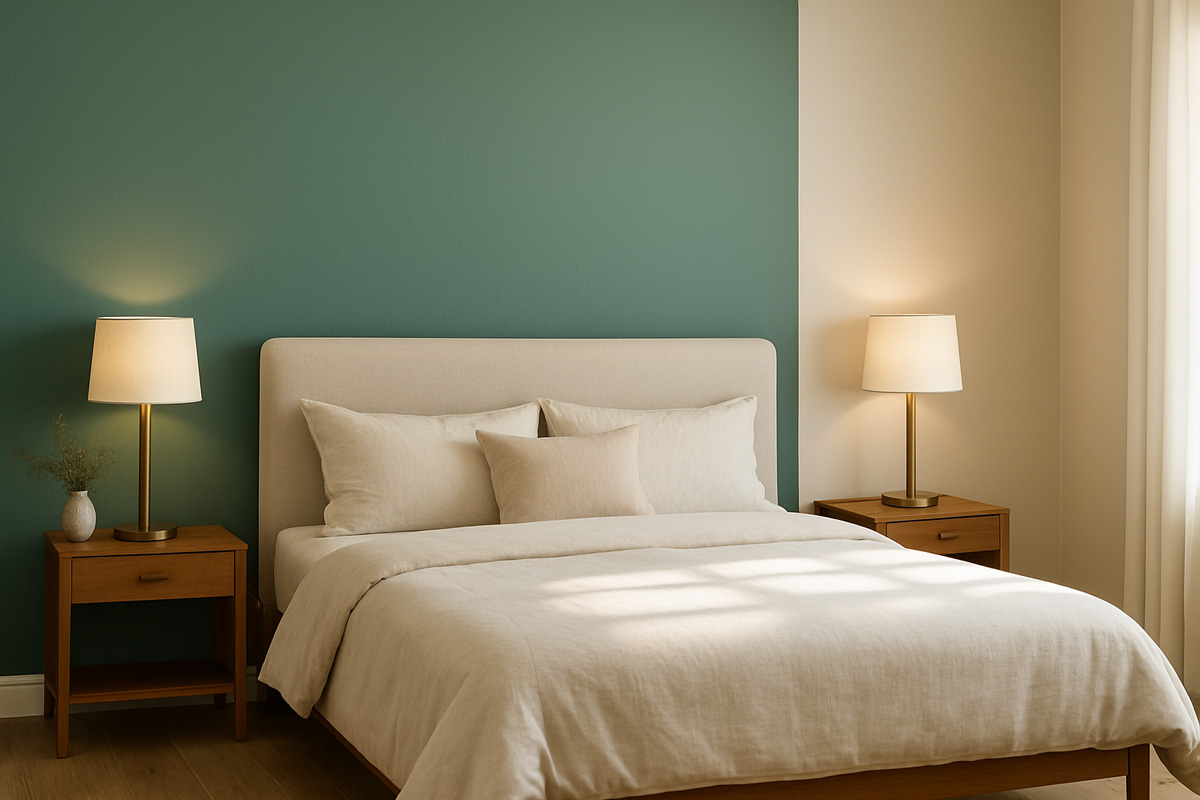
But where do you start? Which colors actually work together? And how do you apply them for a professional-looking result?
Find Bleeding Edge Supplements at Scandalous Prices on iHerb.

No more indecision. This isn't just a simple gallery of images — it's a true masterclass in design. We'll guide you through the fundamental principles, provide you with 5 ready-to-use style palettes, and reveal the practical techniques to make your bedroom a masterpiece. And for all the home improvement supplies you'll need, we've got you covered.
Before You Choose: The Color Designer's Principles
Before you pick up a brush, let's understand the rules of the game. A good combination is never random.
- The 60-30-10 Rule (Adapted): In a two-color project, the rule simplifies. Think of one dominant color (about 60-70% of surfaces, usually the lighter one) and one accent color (30-40%). This creates visual balance.
- Warm vs. Cool Colors: Warm colors (beige, terracotta, pink) create a cozy and energizing environment. Cool colors (blue, sage green, gray) promote relaxation and calm. The choice depends on the mood you want to create.
- The Importance of Light: Always test color samples on the wall. The same color can change dramatically between the cool light of morning and the warm light of evening.
Which Color Approach to Choose? Comparison Table
There are several ways to combine two colors. The choice depends on the final effect you want. Don't forget to browse our wall decor to complement your new paint job.
| Approach | Description | Best For |
|---|---|---|
| Horizontal Split | One color on the bottom half, another on top, divided by a chair rail or tape line | Traditional and cozy rooms |
| Vertical Stripes | Alternating vertical bands of two colors | Adding height to low ceilings |
| Accent Wall | One wall in a bold color, the rest in a neutral shade | Creating a focal point behind the bed |
| Color Blocking | Geometric shapes or sections painted in different colors | Modern and artistic interiors |
| Ceiling Accent | Ceiling painted in a contrasting color | Making a room feel more intimate |
The 5 Main Techniques for Painting a Bedroom with Two Colors
Here are the most popular techniques to achieve a stunning two-tone effect. A quality lighting setup will help you see your work clearly.
- Horizontal Division: Paint the lower third of the wall in a darker color and the upper two-thirds in a lighter shade. Use painter's tape for a crisp line.
- Vertical Stripes: Measure and tape off even stripes, alternating colors. This works best with a matte finish to hide imperfections.
- Accent Wall: Choose the wall behind your bed for a bold color. Keep the other three walls neutral. This pairs beautifully with new nightstands.
- Color Blocking: Paint large geometric shapes like rectangles or circles in a contrasting color. Use a level and chalk line for precision.
- Ombre Effect: Blend two colors from dark to light, usually from the floor to the ceiling. This requires a dry brush technique.
Palettes and Ideas: 5 Key Styles to Inspire You
1. Relaxing and Natural Style: Sage Green and Greige
This palette brings the outdoors in. Sage green is calming and earthy, while greige (gray-beige) adds warmth without being too heavy. Perfect for a serene master bedroom.
Pair this with natural materials like linen curtains and wooden furniture. Consider adding a rug in a complementary texture to anchor the space.
2. Elegant and Sophisticated Style: Midnight Blue and Light Taupe
Midnight blue creates a cocooning effect, while light taupe keeps the room from feeling too dark. This combination is luxurious and timeless.

Use midnight blue on the accent wall behind the bed and taupe on the remaining walls. Gold or brass fixtures and a matching dresser will elevate the look.
3. Romantic and Delicate Style: Blush Pink and Chalk White
Blush pink adds a soft, romantic touch without being overly sweet. Chalk white keeps the space fresh and airy. Ideal for guest bedrooms or a feminine master suite.
Paint the lower half blush pink and the upper half chalk white for a classic feel. Finish the look with sheer curtains that let in soft light.
4. Modern and Energetic Style: Terracotta and Warm Beige
Terracotta is a bold, earthy tone that adds energy and warmth. Warm beige balances it out, preventing the room from feeling overwhelming. Great for a creative space.
Use terracotta on one accent wall and beige on the rest. Add plants and natural fiber baskets for texture. A comfortable sofa or armchair in a neutral tone would complete the seating area.
5. Minimalist and Bright Style: Pearl Gray and Optical White
This combination is all about clean lines and light. Pearl gray adds subtle depth, while optical white maximizes brightness. Perfect for small bedrooms.
Paint the ceiling and trim in optical white and the walls in pearl gray. Keep furniture minimal and functional, like a sleek desk if you work from home.
Practical Guide: How to Paint (Without Mistakes)
The Painter's Tool Kit
Having the right tools makes all the difference. Here's what you'll need for a flawless finish. Check our garden supplies for drop cloths and protective gear.
- High-quality paint in your chosen colors (one gallon per 400 sq ft)
- Painter's tape (frog tape is best for clean lines)
- Drop cloths to protect floors and furniture
- Roller frame with medium-nap roller covers
- Angled sash brush for cutting in edges
- Paint tray and liners
- Spackle and putty knife for filling holes
- Sandpaper (fine grit)
- Level and measuring tape
The 5-Step Process
- Prepare the Room: Remove furniture or move it to the center and cover with drop cloths. Remove outlet covers and switch plates. Fill any holes or cracks with spackle and sand smooth.
- Clean and Prime: Wash walls with a mild detergent to remove dust and grease. Apply a primer if you're making a drastic color change or painting over dark colors.
- Tape and Protect: Apply painter's tape along baseboards, window frames, and the line where your two colors will meet. Press the tape down firmly to prevent bleeding.
- Paint the Base Color: Start with the lighter or dominant color. Paint the entire wall, including areas that will later be covered by the second color. This ensures even coverage. Let it dry completely (at least 4 hours).
- Apply the Second Color: Tape off the section for the second color. Use a level to ensure your line is straight. Paint carefully with a brush along the tape edge, then use a roller for the rest. Remove the tape while the paint is still slightly wet for the cleanest line.
Frequently Asked Questions
What is the best color combination for a small bedroom?
For small bedrooms, stick to light and airy combinations. Pearl gray with optical white or light beige with cream are excellent choices. These colors reflect light and make the room feel larger. Avoid dark colors on all walls, but a single accent wall in a deeper shade can add interest without shrinking the space. A well-placed mirror can also amplify the sense of space.
How do I choose the right two colors for my bedroom?
Start by considering the mood you want. For relaxation, choose cool tones like blue and gray. For energy, choose warm tones like terracotta and beige. Then, look at your existing furniture and bedding — pull a color from your duvet or rug to use as one of your paint colors. Test samples on your wall and observe them at different times of day before committing.
Should I paint the ceiling with one of my two colors?
Yes, painting the ceiling can be a powerful design choice. If you want the room to feel cozy and intimate, paint the ceiling the darker of your two colors. If you want to maximize height and brightness, keep the ceiling white or the lighter color. A colored ceiling works especially well in rooms with high ceilings or interesting architectural details.
Can I use two colors in a bedroom with low ceilings?
Absolutely. To make a room with low ceilings feel taller, use vertical techniques. Paint vertical stripes with two colors, or use a lighter color on the upper portion of the wall and a darker color on the lower portion. This draws the eye upward. Also, keep the ceiling white or a very light shade to maximize the sense of height. Consider adding bookcases that draw the eye upward as well.
How do I create a clean line between two paint colors?
The key is patience and the right tape. Use a high-quality painter's tape (like FrogTape) and press it down firmly with a putty knife. Paint the lighter color first, let it dry, then apply the tape. Paint a thin layer of the lighter color over the edge of the tape to seal it — this prevents the darker color from bleeding underneath. Then paint the darker color. Remove the tape while the paint is still wet, pulling it back at a 45-degree angle.
Once your two-tone masterpiece is complete, consider updating your bed or mattress for a truly refreshed bedroom. And don't forget to style your new space with outdoor decor elements like plants to bring life indoors.
Browse Grand Goldman Home Decor
Discover unique craftsmanship home decor and furniture at the Grand Goldman Shop.
Best Products We’ve Tested and Rated

Our testing team has hands-on reviews of travel bag, gift ideas, tee gifts tournaments, overhead launch monitor, and lead acid cart batteries. Every option below was compared across price, build quality, and real-world performance, with honest pros and cons. We update these guides regularly as new models arrive, so the recommendations stay current.
Our testing team has hands-on reviews of hitting strip simulator, mats simulators, accessories seniors, budget hitting mat, and affordable mat. Every option below was compared across price, build quality, and real-world performance, with honest pros and cons. We update these guides regularly as new models arrive, so the recommendations stay current.
Browse the Shop
 Acacia frida deluxe solid wood bed frame |
Bedroom bench |
Bed chest drawers |
Lingerie dresser |
Frame base |
Mirror with jewelry storage |
30 Bathroom Vanity |
Memory foam queen mattress |
Mattresses for back pain |
Nightstand set of 2 |
Grand Goldman Shop |
Civil Lawyer
Deutschland Trikot WM 2026
Acacia frida deluxe solid wood bed frame |
Bedroom bench |
Bed chest drawers |
Lingerie dresser |
Frame base |
Mirror with jewelry storage |
30 Bathroom Vanity |
Memory foam queen mattress |
Mattresses for back pain |
Nightstand set of 2 |
Grand Goldman Shop |
Civil Lawyer
Deutschland Trikot WM 2026










