

The disappearance of biphasic sleep—the habit of sleeping in two distinct blocks separated by a period of wakefulness—is a story of how the Industrial Revolution reshaped one of humanity's oldest daily routines. For centuries, people in pre-industrial Europe routinely experienced what historians call "first sleep" and "second sleep," with a quiet waking interval in between.
Today, waking in the middle of the night is often treated as a sleep disorder. But research by historian Roger Ekirch and psychiatrist Thomas Wehr suggests it may be a remnant of a deeply ingrained pattern that industrialization gradually erased.
Find Original, High-end Home Decor that spark conversation at Grand Goldman Shop.
What Was Biphasic Sleep?
Biphasic sleep refers to a sleep pattern split into two segments, usually with a period of wakefulness in between. According to Ekirch's research, this was common in medieval and early modern Europe, documented in fiction, legal records, and personal diaries.
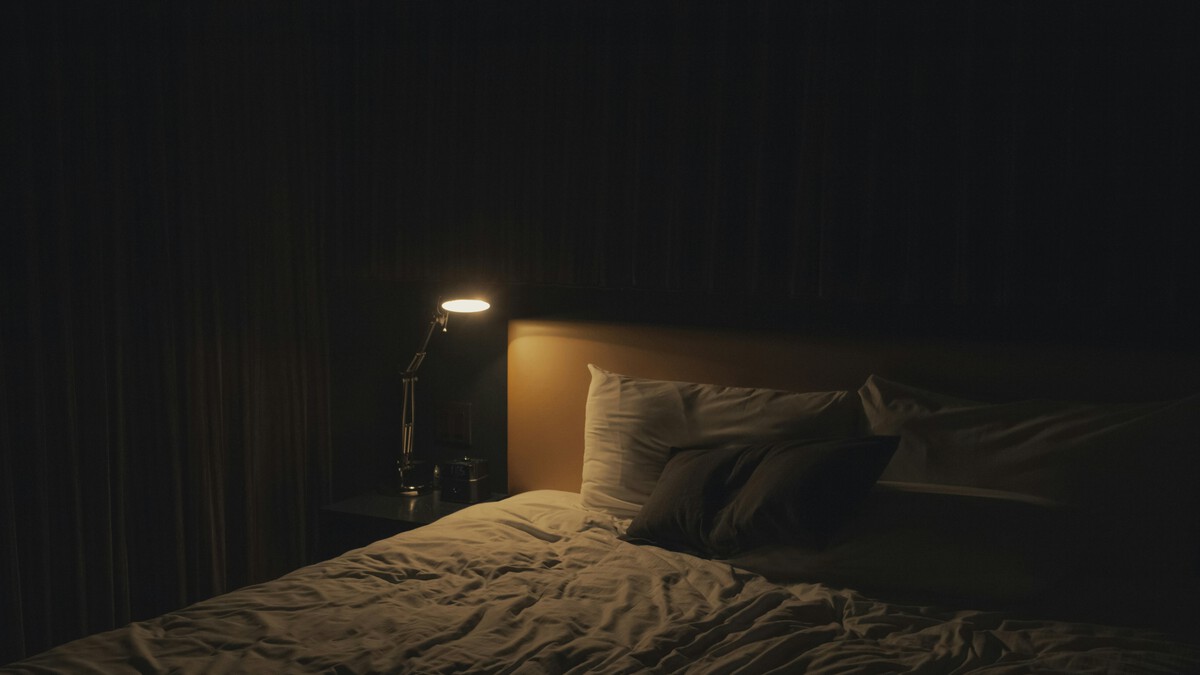
Ekirch told the BBC that the first sleep phase might begin around 9 or 10 p.m. and last until roughly 11 p.m. or midnight. Then came a waking period of an hour or more, used for talking, praying, socializing, or even chores. After that, people returned to bed for a second sleep until dawn.
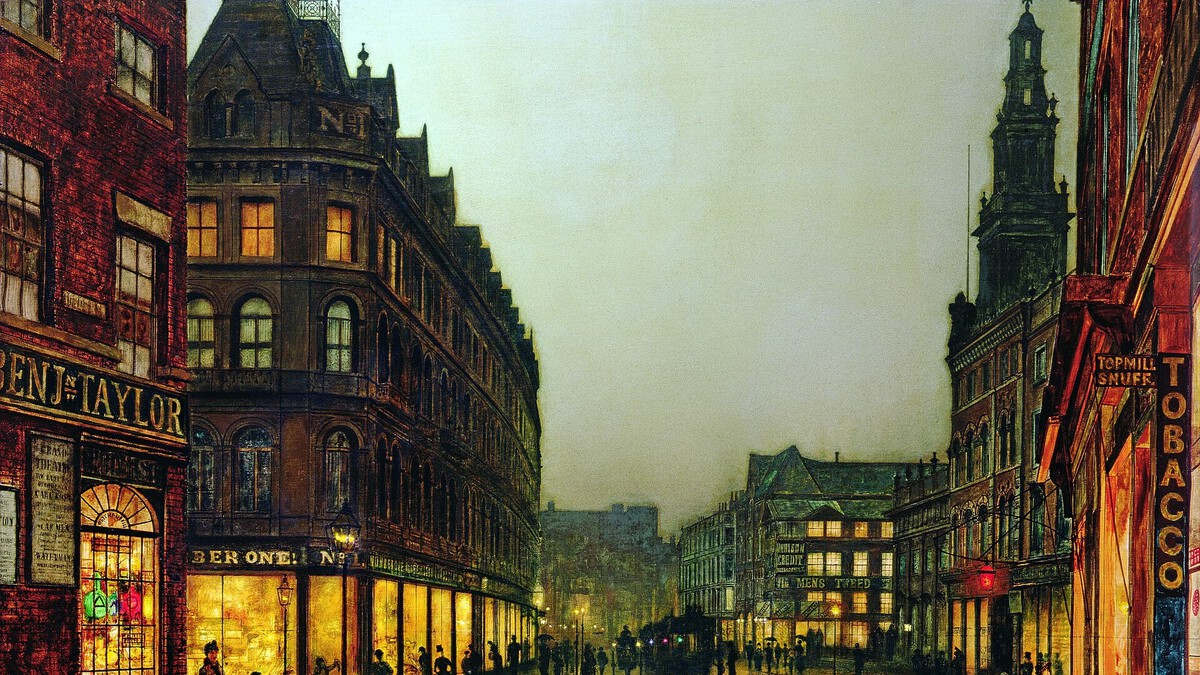
This pattern was not considered abnormal. It was simply how sleep was organized before artificial lighting and factory schedules redefined the day.
The Evidence Behind Segmented Sleep
Ekirch's work drew on a wide range of historical sources, including novels, court records, and medical texts. References to "first sleep" and "second sleep" appear repeatedly, suggesting the practice was widespread and understood.
Separately, psychiatrist Thomas Wehr conducted an experiment with 15 men placed in an environment with restricted light exposure. The participants gradually adopted a biphasic pattern, sleeping in two blocks with a waking period in between. This supported the idea that segmented sleep may be biologically natural under certain conditions.
Together, these findings challenge the modern assumption that uninterrupted eight-hour sleep is the only healthy norm.
How the Industrial Revolution Changed Sleep
The Industrial Revolution brought factories, rigid work schedules, and artificial lighting that extended the day. These changes made the flexible, two-part sleep pattern impractical for most people.
Workers needed to be on time for shifts, and employers demanded predictable availability. The gap between first and second sleep became a liability rather than a normal part of life. Over time, the ideal of consolidated sleep took hold.
As a result, waking at night gradually came to be seen as a problem—a sign of insomnia or poor health—rather than a natural rhythm.
Why This Matters Today
Many people still wake in the middle of the night and worry that something is wrong. Understanding the history of biphasic sleep can reduce that anxiety and offer a new perspective on sleep health.
Modern sleep science generally recommends uninterrupted sleep for optimal rest, but the historical view suggests that human sleep patterns are flexible. What matters most is total sleep duration and how rested you feel during the day. Context on how this played out before sits in Biphasic Sleep: How the Industrial Revolution Killed. A companion piece, Parenting Pressure: Experts Push Back on Impossible Standards, approaches the same subject from another angle.
- Biphasic sleep was common in pre-industrial Europe, with two sleep blocks and a waking interval.
- Historical evidence includes diaries, fiction, and legal documents referencing "first sleep" and "second sleep."
- The Industrial Revolution imposed rigid schedules and artificial light, making segmented sleep impractical.
- Thomas Wehr's experiment showed that restricted light can lead to biphasic sleep in modern participants.
- Waking at night may not be a disorder but a remnant of a natural pattern.
Comparing Sleep Patterns Across Eras
| Era | Dominant Sleep Pattern | Key Influences | Waking at Night |
|---|---|---|---|
| Pre-industrial Europe | Biphasic (two blocks) | Natural light, flexible schedules | Normal, expected |
| Industrial Revolution | Consolidated (one block) | Factory schedules, artificial light | Increasingly seen as problematic |
| Modern era | Consolidated (one block) | Work demands, technology | Often treated as insomnia |
This table illustrates how cultural and economic forces shaped something as personal as sleep. The shift was not driven by biology but by changing social and industrial demands. The background to this story is set out in How the Slave Trade Fueled the Industrial Revolution. A related thread runs through Science: latest articles.
What to Watch Next
As sleep research continues, the history of biphasic sleep may inform new approaches to sleep health. Some researchers argue that understanding our past can help us design healthier sleep environments today. Earlier coverage in Spain Pension Fraud: Man Ordered to Repay €9,240 After Colombia Trips shows how the argument developed. A closer look at the same subject appears in Xiaomi Redmi Note 17 5G: Launch Price and Key Specs Revealed.
For anyone who wakes at night, the lesson is clear: it may not be a sign of failure. It could simply be a echo of a time when sleep was woven into the rhythm of daily life differently. Anyone following the wider picture can start with Xiaomi Redmi Buds 6 Pro Drop to €44.99 in Lavender Purple. The same theme surfaces in Jensen Huang Backs Trump on AI: 'We Won't Let That Happen', which takes a different angle.
FAQ
What is biphasic sleep?
Biphasic sleep is a pattern where sleep is divided into two segments, typically with a period of wakefulness in between. It was common in pre-industrial Europe and is distinct from the modern ideal of uninterrupted sleep.
Why did biphasic sleep disappear?
The Industrial Revolution introduced rigid work schedules and artificial lighting, making the flexible two-part sleep pattern impractical. Over time, consolidated sleep became the norm.
Is waking up at night normal?
Waking at night can be normal, especially if you fall back asleep and feel rested. Historical evidence suggests it was once a common part of a biphasic sleep pattern.
Who studied biphasic sleep?
Historian Roger Ekirch and psychiatrist Thomas Wehr independently studied the phenomenon. Ekirch found historical references to "first sleep" and "second sleep," while Wehr's experiment showed that restricted light can induce biphasic sleep.
Browse the Shop
 Acacia frida deluxe solid wood bed frame |
Bedroom bench |
Bed chest drawers |
Lingerie dresser |
Frame base |
Mirror with jewelry storage |
30 Bathroom Vanity |
Memory foam queen mattress |
Mattresses for back pain |
Nightstand set of 2 |
Grand Goldman Shop |
Civil Lawyer
Deutschland Trikot WM 2026










