

The first meteorite impact crater in Spain has finally been confirmed in Almería, ending more than 20 years of scientific uncertainty. This discovery marks a significant milestone in Spanish geology and planetary science.
Researchers from the University of Almería, the Center for Astrobiology, and INTA have officially identified the crater in the Tabernas basin, between the towns of Alhama de Almería and Alhabia.
Find Original Home Decor sparking conversation at Grand Goldman Shop.

Why Finding Impact Craters Is So Difficult
Meteorites fall to Earth frequently—about 17,000 per year—but most disintegrate or are never recovered. Only 80,000 meteorites have been found worldwide, and impact craters are even rarer: just 196 have been documented globally.
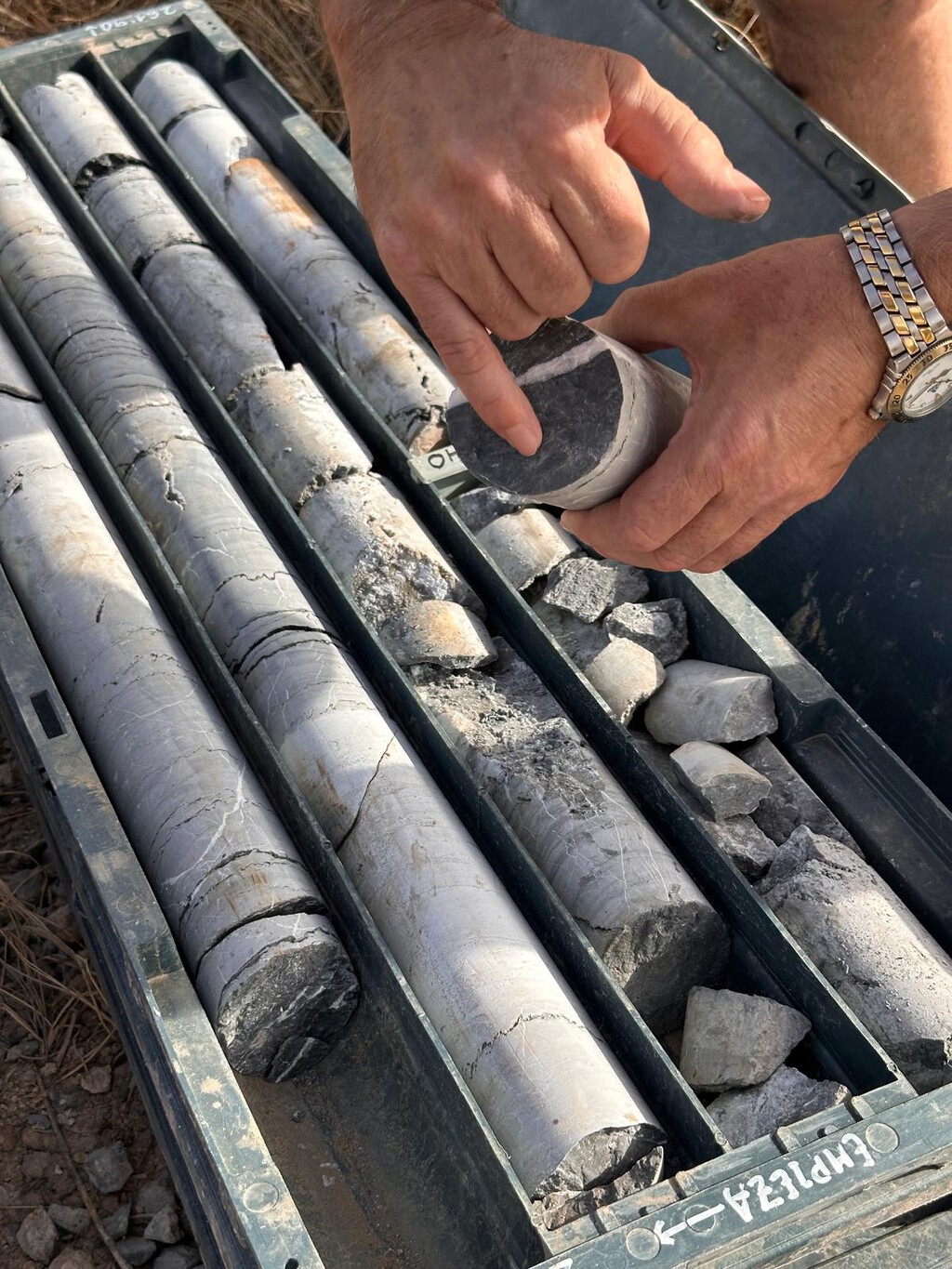
In Spain, two sites were suspected: Azuara near Zaragoza and the Tabernas basin in Almería. The Azuara site lost credibility over time, but Tabernas has now been validated by the international scientific community.
The Discovery Process: From Suspicion to Confirmation
The investigation began in 2005 when University of Almería scientists Juan Antonio Sánchez Garrido and colleagues noticed unusual geological features. Over nearly two decades, they gathered evidence including shocked quartz, which forms only under extreme pressure from impacts.
The collaboration with the Center for Astrobiology and INTA provided additional expertise and instrumentation, allowing the team to rule out other explanations like volcanic activity or tectonic events.
What Makes This Crater Significant
This is Spain's first confirmed impact crater, filling a gap in the geological record of the Iberian Peninsula. It also offers insights into the frequency and effects of meteorite impacts in the region.
The crater's location in the Tabernas basin—a semi-arid region—makes it accessible for further study and potentially for educational tourism.
Key Takeaways
- Spain's first meteorite impact crater has been confirmed in Almería after 20+ years of research.
- The crater is located in the Tabernas basin, between Alhama de Almería and Alhabia.
- Only 196 impact craters have been documented worldwide, making this a rare find.
- The discovery was validated by the University of Almería, the Center for Astrobiology, and INTA.
- Shocked quartz and other impact markers provided crucial evidence.
Comparison of Suspected Spanish Impact Sites
| Site | Location | Status | Key Evidence |
|---|---|---|---|
| Azuara | Near Zaragoza | Unconfirmed (dismissed) | Initial geological anomalies, later explained by other processes |
| Tabernas Basin | Almería | Confirmed impact crater | Shocked quartz, other impact markers |
The confirmation of the Tabernas crater not only puts Spain on the map for impact craters but also highlights the importance of long-term scientific investigation. Such discoveries often take decades to verify, especially when distinguishing impact structures from other geological formations. The background to this story is set out in Spain's First Meteorite Crater Discovered in Almeria. A related thread runs through Hickman Crater: How Google Earth Revealed a 260-Meter Meteorite Impact. Earlier coverage in Hoba Meteorite: Why a 60-Ton Space Rock Left No Crater shows how the argument developed.
For travelers interested in geological wonders, Spain offers many other natural attractions, from the beaches of Cancun to the historical sites of Egypt. But the Almería crater is a unique scientific landmark that may soon attract researchers and curious visitors alike. A closer look at the same subject appears in Almería: Spain's City Most Punished by Renfe Rail Cuts. Anyone following the wider picture can start with Spain Cracks Down on Migrant Registration Fraud in Almería. The same theme surfaces in Murcia to Almería Rail Link Takes Key Step Forward, which takes a different angle.
As for what's next, the team plans to continue studying the crater to determine its age and the size of the impacting meteorite. This could provide valuable data for understanding impact rates in the region and across Europe. Context on how this played out before sits in Spain Heatwave 2025: Almeria 40°C vs Asturias 27°C Weather Divide. A companion piece, Almería's Solar Boom Hits Grid Capacity Limits in Spain, approaches the same subject from another angle.
FAQ
What is a meteorite impact crater?
A meteorite impact crater is a depression in the Earth's surface formed by the collision of a meteorite with the ground. These craters are relatively rare because many meteorites burn up in the atmosphere or land in oceans.
Why did it take over 20 years to confirm the Almería crater?
Confirming an impact crater requires multiple lines of evidence, such as shocked quartz and specific geochemical markers, which take time to collect and analyze. The Azuara site, initially thought to be a crater, was later dismissed, showing how rigorous the process is.
How many impact craters are there in the world?
As of now, only 196 impact craters have been documented worldwide. This number is small compared to the number of meteorites found, highlighting the difficulty of identifying impact structures.
Can I visit the Almería crater?
The crater is located in the Tabernas basin, but access may be restricted for scientific study. It's advisable to check with local authorities or tourism offices for guided visits.
Browse the Shop
 Acacia frida deluxe solid wood bed frame |
Bedroom bench |
Bed chest drawers |
Lingerie dresser |
Frame base |
Mirror with jewelry storage |
30 Bathroom Vanity |
Memory foam queen mattress |
Mattresses for back pain |
Nightstand set of 2 |
Grand Goldman Shop |
Civil Lawyer
Deutschland Trikot WM 2026







