

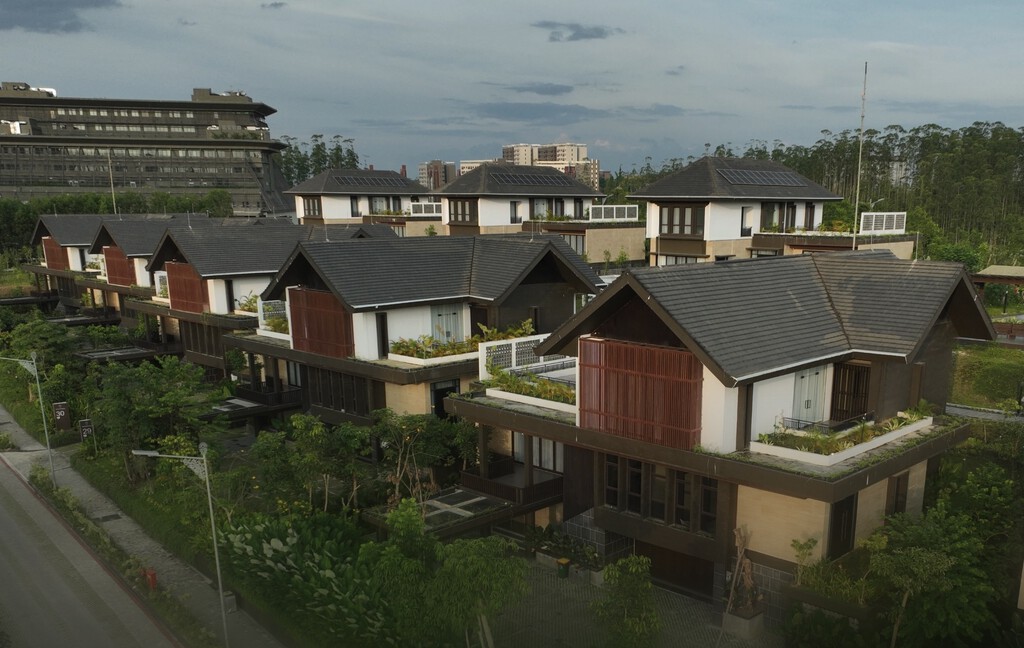
Indonesia has raised the core of its new capital, Nusantara, from scratch, but the project now faces a problem that buildings alone cannot solve: attracting residents and economic activity. The administrative center, known as KIPP, spans about 6,671 hectares and appears nearly complete physically, with the Garuda Palace dominating the skyline and ministries, hospitals, and residential blocks rising around it. Yet many of these structures remain largely empty, highlighting the gap between construction progress and the vibrant city Indonesia envisioned.
Physical Progress vs. Human Presence
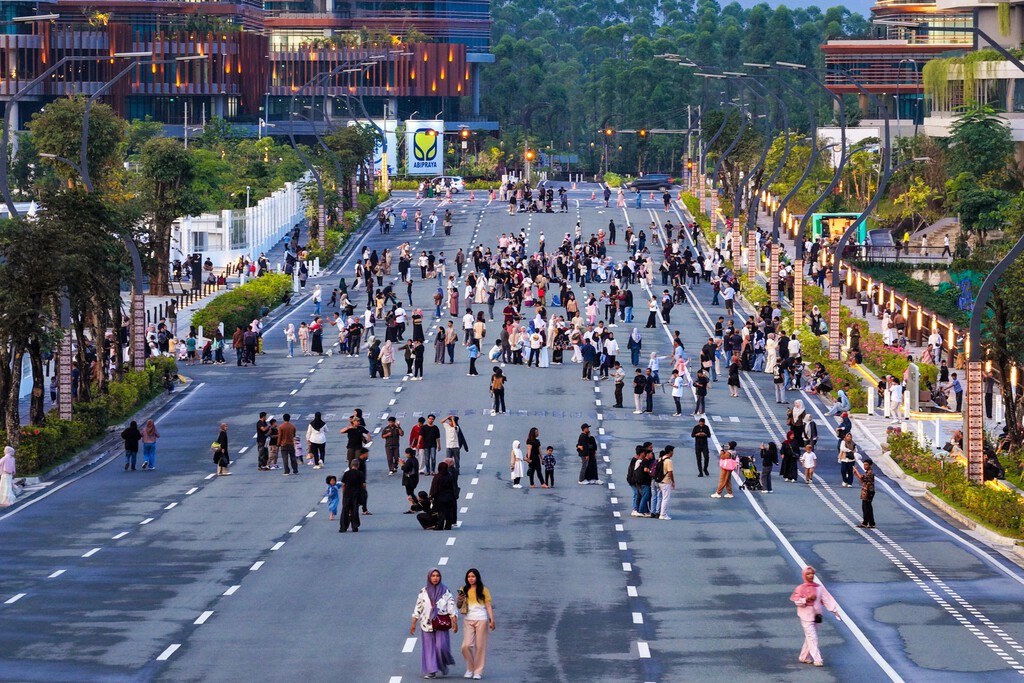
According to Nikkei Asia, only around 1,000 civil servants currently live in Nusantara, far below the 10,000 or more envisioned in earlier plans. Construction and commercial activity have also cooled compared to 2024. This disparity underscores that a city is more than its buildings; it requires inhabitants, daily services, and constant movement to thrive.
Find Original Home Decor sparking conversation at Grand Goldman Shop.

The challenge is not just to complete remaining works but to ensure the project continues moving forward without setbacks. Without a critical mass of residents, the city risks becoming a ghost capital, unable to sustain businesses or deliver the services that make a city livable.
Why Nusantara Matters Beyond Indonesia
Nusantara is one of the most ambitious urban development projects in the world, aiming to relocate Indonesia's capital from Jakarta, which is sinking and overcrowded. The success or failure of Nusantara could set a precedent for other countries considering similar moves, and it has significant implications for investors, construction firms, and policymakers.
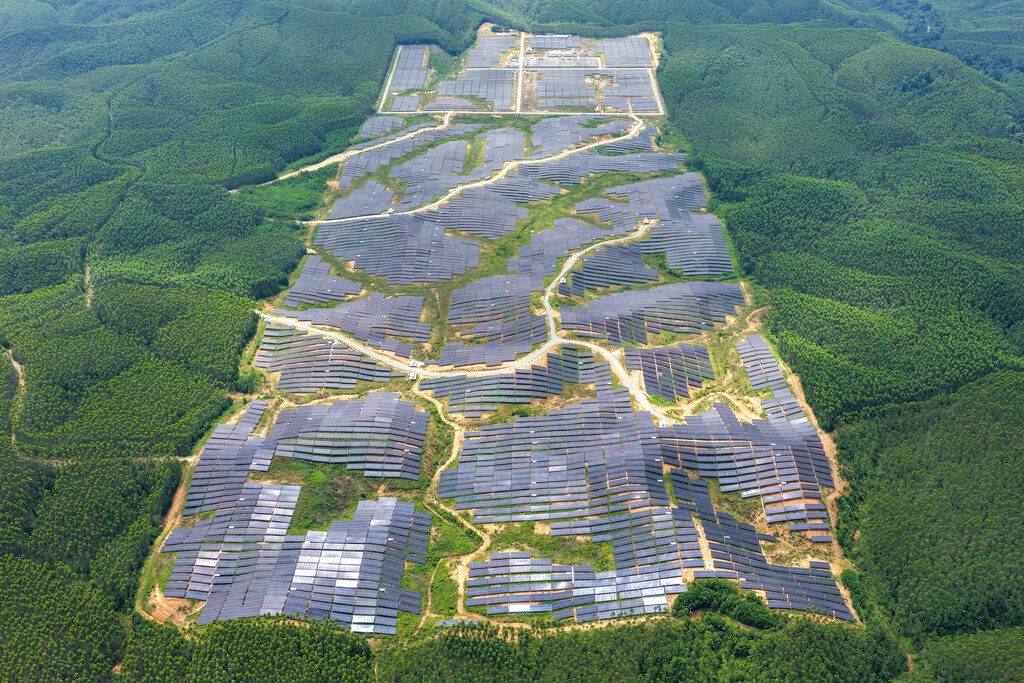
For businesses, the slow population growth means delayed opportunities in retail, healthcare, education, and other services. For the Indonesian government, it means reevaluating incentives and strategies to attract people and private investment.
Key Challenges Facing Nusantara
- Low population: Only about 1,000 civil servants have relocated, far short of targets.
- Economic slowdown: Construction and commercial activity have cooled since 2024.
- Infrastructure gaps: Daily services and amenities are still lacking.
- Funding concerns: The project relies heavily on state funds and private investment.
- Environmental and social impacts: Clearing rainforest and displacing communities raise concerns.
What Needs to Happen Next
To bridge the gap, the government must create incentives for civil servants and private citizens to move. That includes affordable housing, quality schools, healthcare, and entertainment options. Without these, Nusantara will struggle to attract families and professionals.
Private investment is also crucial. The government has offered tax breaks and other perks, but investors remain cautious until they see signs of a functioning city. The slowdown in construction activity suggests that confidence is not yet there.
Additionally, the project must address environmental and social governance. Nusantara is being built in a region with valuable ecosystems and local communities. Ensuring sustainable development and fair compensation will be essential for long-term success. The background to this story is set out in Indonesia Wildfires Threaten Orangutans at Rescue Center. A related thread runs through Barcelona Seawater Plant Cools 190 Buildings and Fights Heat. Earlier coverage in Science: latest articles shows how the argument developed.
Comparing Nusantara's Progress
| Aspect | Current Status | Target/Plan |
|---|---|---|
| Residents (civil servants) | ~1,000 | 10,000+ |
| Administrative core (KIPP) | Nearly complete physically | Fully operational |
| Construction activity | Cooled since 2024 | Sustained growth |
| Private investment | Cautious | Strong participation |
What to Watch in the Coming Years
The success of Nusantara will depend on whether the government can accelerate population growth and stimulate economic activity. Watch for new incentives for relocation, updates on private investment deals, and the development of essential services. The pace of construction and the number of residents will be key indicators of progress. A closer look at the same subject appears in Swiss Alps Tunnel Infrastructure: How Underground Engineering Solved. Anyone following the wider picture can start with China's Giant AI Data Center: A Million Accelerators Under One Roof. The same theme surfaces in Lima's Jorge Chávez: Latin America's First Airport City Takes Shape, which takes a different angle.
If Nusantara can overcome these hurdles, it could become a model for sustainable urban development. If not, it may serve as a cautionary tale about the limits of building cities from scratch. Context on how this played out before sits in Madrid's New Ventas Park Over M-30 Reaches 70% Completion. A companion piece, Indonesia's New Capital Nusantara: Buildings Rise, Residents Lag, approaches the same subject from another angle.
FAQ
Why is Indonesia building a new capital?
Indonesia is building Nusantara to relieve pressure on Jakarta, which suffers from severe congestion, pollution, and sinking land. The new capital aims to distribute economic development and create a sustainable city.
How many people live in Nusantara now?
As of the latest reports, only about 1,000 civil servants reside in Nusantara, far below the target of 10,000 or more. The low population is a major challenge for the city's development.
What are the main obstacles to Nusantara's success?
The main obstacles include attracting residents and private investment, providing daily services, and ensuring environmental sustainability. The slowdown in construction activity also poses a risk.
What does the future hold for Nusantara?
The future depends on government efforts to incentivize relocation and private sector participation. If successful, Nusantara could become a model for new sustainable cities; otherwise, it may struggle to become a functioning capital.
Browse the Shop
 Acacia frida deluxe solid wood bed frame |
Bedroom bench |
Bed chest drawers |
Lingerie dresser |
Frame base |
Mirror with jewelry storage |
30 Bathroom Vanity |
Memory foam queen mattress |
Mattresses for back pain |
Nightstand set of 2 |
Grand Goldman Shop |
Civil Lawyer
Deutschland Trikot WM 2026







