

A Japanese satellite has observed killer electrons accelerating in a region of space where they were previously thought unable to penetrate, challenging long-held assumptions about Earth's protective barriers. The finding, reported by researchers at Nagoya University, suggests that the Van Allen belts may not be as impenetrable as once believed.
These high-energy electrons, colloquially known as "killer electrons," are trapped by Earth's magnetic field. While they pose no danger to life on the surface, they can severely damage satellites and pose a serious risk to astronauts in orbit.
Find Original Home Decor sparking conversation at Grand Goldman Shop.

What Are Killer Electrons and Why Are They Dangerous?
Killer electrons are a type of energetic particle found within the Van Allen radiation belts, two doughnut-shaped zones of charged particles held in place by Earth's magnetic field. They are called "killer" because their high energy can penetrate satellite shielding, causing electronics to fail and degrading solar panels.
For astronauts, exposure to these electrons increases the risk of radiation sickness and long-term health effects. Understanding their behavior is crucial for designing safer spacecraft and planning missions.
The Supposed Barrier: A Sharp Boundary
Scientists had long thought that killer electrons could not venture into the innermost region of the magnetosphere, closer to Earth. There appeared to be a sharp boundary at about three Earth radii from the planet's center, beyond which these electrons rarely strayed.
This boundary was considered a near-impenetrable barrier, protecting the inner region from the most energetic particles. However, the new observations from the Japanese satellite suggest that this barrier is not as infallible as once thought.
New Evidence from Nagoya University
Researchers at Nagoya University have now reported that killer electrons can indeed accelerate in this supposedly forbidden zone. The team analyzed data from a Japanese satellite and found instances where electrons gained significant energy in the region closer to Earth than the presumed barrier.
This discovery challenges the idea of a permanent barrier and implies that under certain conditions, killer electrons can penetrate deeper into the magnetosphere than previously believed.
Why the Barrier Seemed Impenetrable
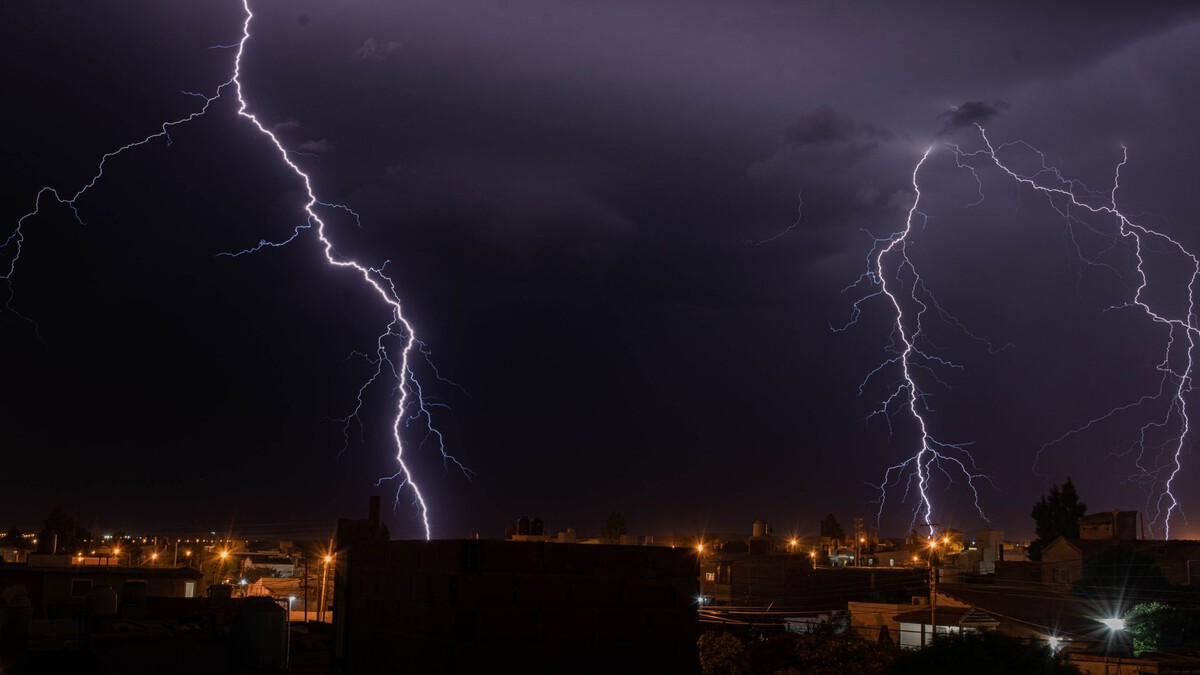
The illusion of an impenetrable barrier may stem from the short duration of geomagnetic storms. These storms, which are associated with the acceleration of killer electrons, typically last only a short time—often just hours to a couple of days.
Because the storms subside before the electrons can travel far inward, it appeared as though a barrier prevented their entry. The new findings suggest that given enough time or under specific storm conditions, electrons can indeed breach this region.
Implications for Space Weather Forecasting
This discovery has significant implications for space weather forecasting. If killer electrons can penetrate closer to Earth than expected, satellite operators and mission planners need to reassess the risks to spacecraft in low Earth orbit and beyond.
Improved understanding of electron dynamics will help in developing better predictive models, which are essential for protecting both satellites and astronauts. The background to this story is set out in Forbidden Novel Changed My Life: A Dangerous Love Story. A related thread runs through Science: latest articles. Earlier coverage in Space Airbag: 400-Ton Plasma Shield Against Solar Storms shows how the argument developed.
What to Watch Next
Future research will focus on identifying the exact conditions that allow killer electrons to accelerate in the forbidden zone. Scientists will also need to determine how often these events occur and whether they are becoming more frequent. A closer look at the same subject appears in Geomagnetic Storm Saturation Myth Debunked by NASA Study. Anyone following the wider picture can start with Solar Storms Explained: Why Modern Society Is So Vulnerable. The same theme surfaces in Three Storms Dancing in the Atlantic: Which One Will Decide Spain's Weekend, which takes a different angle.
As we rely more on satellite technology for communication, navigation, and Earth observation, understanding these space weather phenomena becomes increasingly critical. Context on how this played out before sits in Wicker Chairs to Seatbelts: The Wild Evolution of Airplane Seats. A companion piece, Japanese Satellite Spots Killer Electrons in Forbidden Zone, approaches the same subject from another angle.
FAQ
What are killer electrons?
Killer electrons are high-energy electrons trapped in Earth's Van Allen radiation belts. They are called "killer" because they can damage satellites and pose health risks to astronauts.
Why is this discovery important?
It challenges the belief that a permanent barrier prevents killer electrons from entering the inner magnetosphere, which affects how we assess risks to satellites and astronauts.
How do killer electrons affect satellites?
They can penetrate satellite electronics, causing malfunctions and degrading solar panels, leading to reduced performance or complete failure.
What are geomagnetic storms?
Geomagnetic storms are disturbances in Earth's magnetic field caused by solar activity. They are associated with the acceleration of killer electrons and can last from hours to days.
Browse the Shop
 Acacia frida deluxe solid wood bed frame |
Bedroom bench |
Bed chest drawers |
Lingerie dresser |
Frame base |
Mirror with jewelry storage |
30 Bathroom Vanity |
Memory foam queen mattress |
Mattresses for back pain |
Nightstand set of 2 |
Grand Goldman Shop |
Civil Lawyer
Deutschland Trikot WM 2026







