

NASA has introduced a new emeritus astronaut title as a growing number of veteran spaceflyers approach retirement age. The move comes as three of the four astronauts from the Artemis II crew have already left active duty, with only Christina Koch remaining. The new designation aims to keep their expertise available for training and consultation even after they stop flying.
What the Emeritus Title Means for NASA Astronauts
The term emeritus typically refers to someone who has retired from a position but retains certain privileges or continues to contribute in an advisory capacity. In the context of NASA, emeritus astronauts will no longer be eligible for spaceflight assignments. However, the agency can still call on them to train future astronaut generations or share their experience with the Artemis program.
Find Original, High-end Home Decor that spark conversation at Grand Goldman Shop.
This approach allows NASA to benefit from decades of spaceflight knowledge without keeping individuals on active flight status. It also provides a formal structure for transitioning experienced astronauts out of operational roles while preserving their institutional memory.
The Artemis II Crew and the Shift to Emeritus Status
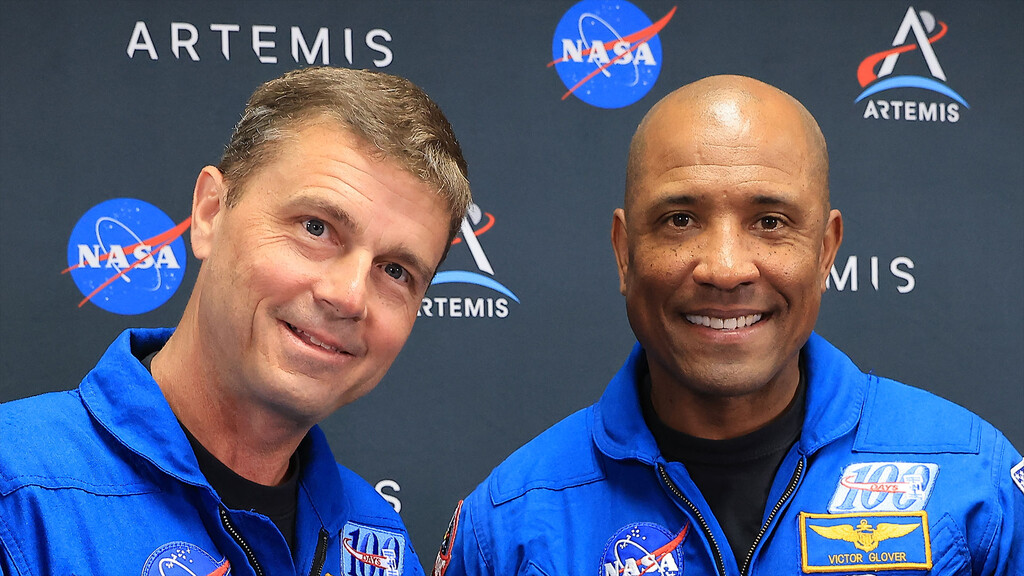
The Artemis II mission, which will send astronauts around the Moon, has seen significant crew changes. Commander Reid Wiseman and pilot Victor Glover have become the first NASA astronauts to accept emeritus status. Canadian astronaut Jeremy Hansen left his country's space agency, while Christina Koch chose to continue her active career.
This wave of retirements highlights a broader demographic trend: many astronauts from the shuttle era and early ISS expeditions are reaching an age where they may no longer be eligible for long-duration missions. NASA's new emeritus program offers a way to manage this transition smoothly.
Why NASA Needs a Formal Retirement Track
As the agency prepares for sustained lunar exploration and eventual Mars missions, it faces a dual challenge: retaining seasoned professionals while making room for new candidates. The emeritus title provides a middle ground between full retirement and active duty, allowing NASA to leverage experienced personnel without the costs and commitments of flight status.
Moreover, the program may help with knowledge transfer. Emeritus astronauts can mentor younger crew members, participate in simulations, and contribute to mission planning, all without being assigned to a flight crew.
Key Takeaways from NASA's Emeritus Astronaut Program
- Formal recognition: Emeritus astronauts are officially recognized but no longer eligible for spaceflight.
- Expertise retention: They can train future astronauts and support missions like Artemis.
- First inductees: Victor Glover and Reid Wiseman are the first NASA astronauts to hold the title.
- No remuneration: According to Victor Glover, the role does not come with additional pay.
- Broader trend: The program addresses an aging astronaut corps and upcoming retirements.
How Emeritus Status Compares to Other NASA Roles
NASA has long had different categories for former astronauts, such as those who leave the agency for other pursuits or those who remain in advisory roles. The emeritus title adds a new layer, distinct from active astronaut status and from full retirement. The table below outlines the main differences. Anyone following the wider picture can start with NASA Creates Emeritus Astronaut Title as Retirements Rise.
| Status | Eligible for Spaceflight | Can Train Astronauts | Compensation |
|---|---|---|---|
| Active Astronaut | Yes | Yes | Salary |
| Emeritus Astronaut | No | Yes | Unpaid |
| Retired Astronaut | No | No formal role | Pension/other |
What This Means for the Future of Space Exploration
With NASA aiming to establish a sustainable lunar presence and eventually send humans to Mars, the agency needs to balance fresh talent with experienced leadership. The emeritus program could serve as a model for other space agencies facing similar demographic shifts. The background to this story is set out in Science: latest articles. A related thread runs through Basque Government Buys 510 Blackstone Homes for Permanent Rent.
As more astronauts reach retirement age, the emeritus title may become a common stepping stone. It allows NASA to honor their service while keeping their insights accessible for the challenging missions ahead. Earlier coverage in Ozempic Boom Drives L'Oréal Cosmetics Sales Surge shows how the argument developed. A closer look at the same subject appears in Lidl's New Silvercrest Handheld Vacuum: Perfect for Car and Home Cleaning.
FAQ
What is an emeritus astronaut?
An emeritus astronaut is a former NASA astronaut who has retired from active flight status but may still contribute to training and advisory roles. They are not eligible for spaceflight but can share their expertise with the agency.
Who are the first emeritus astronauts?
Victor Glover and Reid Wiseman are the first NASA astronauts to become emeritus. Both were part of the Artemis II crew and have transitioned to this new status.
Do emeritus astronauts get paid?
According to Victor Glover, the emeritus role is unpaid. It is a voluntary capacity that allows them to contribute without additional compensation.
How does this affect the Artemis program?
Emeritus astronauts can still support Artemis by training crews and providing mission expertise. Their experience is valuable for the program's success, even though they won't fly themselves.
Browse the Shop
 Acacia frida deluxe solid wood bed frame |
Bedroom bench |
Bed chest drawers |
Lingerie dresser |
Frame base |
Mirror with jewelry storage |
30 Bathroom Vanity |
Memory foam queen mattress |
Mattresses for back pain |
Nightstand set of 2 |
Grand Goldman Shop |
Civil Lawyer
Deutschland Trikot WM 2026










