

Alibaba's new 5nm RISC-V chip, the XuanTie C950, is more than a hardware upgrade—it's a bold move toward tech sovereignty for China. Developed by Alibaba's Damo Academy, this processor is designed specifically for AI agents and boasts a 3.2 GHz clock speed, making it the most powerful RISC-V chip to date.
But the real story lies in its architecture: neither x86 nor ARM, but RISC-V. This open-standard instruction set is gaining traction globally, and Alibaba's latest release underscores a strategic shift away from Western-dominated technologies.
Find Original Home Decor sparking conversation at Grand Goldman Shop.

What Exactly Is the XuanTie C950?
The XuanTie C950 is the successor to the C930, which was announced just two weeks earlier as Alibaba's first server-grade processor. According to the company, the C950 is three times more powerful than its predecessor, the C920, which was unveiled in 2024.
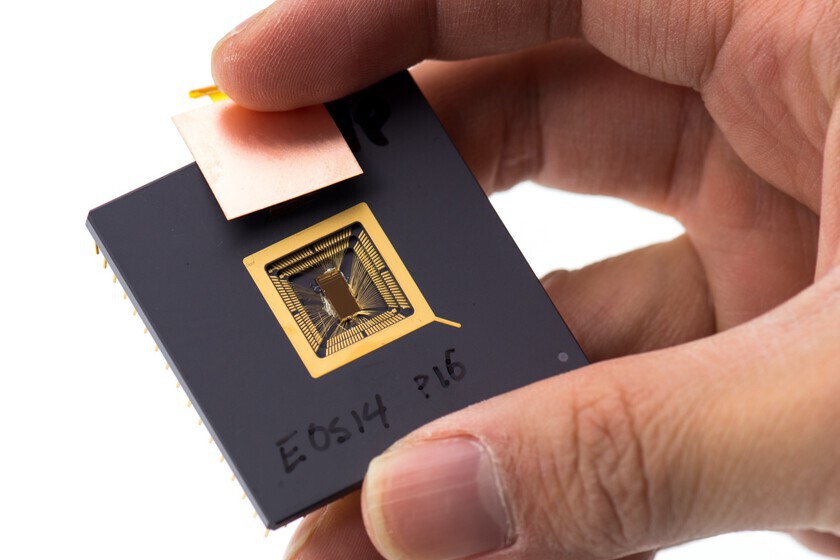
Alibaba hasn't disclosed the foundry responsible for manufacturing the chip, but it has confirmed the 5nm process and 3.2 GHz speed. These specs place it in direct competition with high-end processors from Intel and AMD, though its RISC-V architecture sets it apart.
Why RISC-V Matters for Tech Sovereignty
RISC-V is an open-source instruction set architecture (ISA) that allows companies to design custom chips without licensing fees or restrictions. This is particularly attractive for Chinese firms facing export controls and geopolitical tensions.
By embracing RISC-V, Alibaba reduces its reliance on x86 (dominated by Intel and AMD) and ARM (owned by SoftBank and subject to US export regulations). This aligns with China's broader push for self-sufficiency in semiconductors.
Moreover, RISC-V is gaining momentum worldwide, with major tech companies like Google and Qualcomm investing in the ecosystem. Alibaba's C950 could accelerate adoption by proving RISC-V can deliver high performance.
Context: Alibaba's AI Ambitions
The C950 launch comes amid a flurry of AI-related announcements from Alibaba. Just days before, the company introduced Wukong, a platform for deploying AI agents in enterprise environments. This followed the rapid adoption of OpenClaw, an open-source AI agent framework, by local businesses.
The C950 is explicitly designed for AI agents, suggesting Alibaba envisions a future where AI workloads run on custom silicon. This vertical integration—from cloud services to chips—could give Alibaba a significant edge in the AI race.
Key Takeaways
- 5nm process and 3.2 GHz speed make the XuanTie C950 the most powerful RISC-V chip to date.
- RISC-V architecture offers an open alternative to x86 and ARM, reducing licensing costs and geopolitical risks.
- AI-focused design positions the chip for the growing market of AI agents and edge computing.
- Rapid iteration: Alibaba released the C930 and C950 within two weeks, showcasing its R&D pace.
- Tech sovereignty: The move aligns with China's goal of semiconductor self-sufficiency.
How the XuanTie C950 Compares
| Processor | Architecture | Process | Clock Speed | Target Use |
|---|---|---|---|---|
| XuanTie C950 | RISC-V | 5nm | 3.2 GHz | AI agents, high-performance computing |
| XuanTie C930 | RISC-V | Not disclosed | Not disclosed | Server-grade |
| XuanTie C920 | RISC-V | Not disclosed | Not disclosed | General-purpose |
| Intel Core i9 | x86 | 10nm | Up to 5.2 GHz | Desktop, gaming |
| Apple M2 | ARM | 5nm | Up to 3.5 GHz | Laptops, tablets |
While the C950's clock speed is lower than Intel's top desktop chips, its 5nm process and AI optimizations could make it more efficient for specific workloads. Apple's M2, also 5nm, demonstrates that ARM can compete, but RISC-V offers an open alternative.
What This Means for the Global Chip Industry
Alibaba's announcement is a warning shot to established players. If RISC-V can deliver competitive performance at advanced nodes, it could disrupt the x86-ARM duopoly. For China, it's a step toward reducing dependence on foreign technology. The background to this story is set out in Alibaba Bets Big on AI Agents in Bold New Strategy Move. A related thread runs through China's RISC-V Strategy to Bypass US Sanctions Gets US Help. Earlier coverage in Alibaba's AI Chip Strategy to Bypass Nvidia Restrictions shows how the argument developed.
However, challenges remain: RISC-V lacks the mature software ecosystem of x86 and ARM, and manufacturing at 5nm requires access to advanced foundries (likely TSMC or SMIC). Alibaba's ability to secure such capacity is uncertain. A closer look at the same subject appears in Alibaba's New AI Chip Takes Aim at Nvidia's Dominance. Anyone following the wider picture can start with Alibaba Qwen3.8-Max Challenges US AI Chip Restrictions. The same theme surfaces in Alibaba's RISC-V Chips Hit 6 Billion Units in AI Push, which takes a different angle.
Still, the C950 proves that RISC-V is no longer just for embedded systems. It's ready for prime time. Context on how this played out before sits in China's AI Infrastructure Strategy Expands to Brazil with Alibaba Cloud. A companion piece, Alibaba's Qwen Open AI Model Now Charges High-Volume Users, approaches the same subject from another angle.
FAQ
What is the XuanTie C950?
Why is RISC-V important for tech sovereignty?
How does the C950 compare to Intel and AMD chips?
What's next for Alibaba's chip development?
As the chip war heats up, Alibaba's C950 is a clear signal that China intends to compete at the highest level. The implications for global tech are profound—and they're just beginning to unfold.
Browse the Shop
 Acacia frida deluxe solid wood bed frame |
Bedroom bench |
Bed chest drawers |
Lingerie dresser |
Frame base |
Mirror with jewelry storage |
30 Bathroom Vanity |
Memory foam queen mattress |
Mattresses for back pain |
Nightstand set of 2 |
Grand Goldman Shop |
Civil Lawyer
Deutschland Trikot WM 2026







