

Flapping-wing drones, inspired by birds and insects, are redefining what's possible in unmanned flight. A team at the Beijing University of Science and Technology has developed several flapping-wing drones modeled after eagles, pigeons, butterflies, and beetles. The eagle-inspired model recently set a new record with 256 minutes of continuous flight, surpassing the previous milestone of 185 minutes and 30 seconds set in 2023 by a bionic plane from Northwestern Polytechnical University.
For years, we've associated drones with spinning rotors—the familiar quadcopters that capture footage, monitor crowds, or perform in light shows. But this new wave of bio-inspired drones mimics the flight of living creatures, opening up possibilities that were once confined to science fiction.
Find Original Home Decor sparking conversation at Grand Goldman Shop.

Why Flapping-Wing Drones Matter
Flapping-wing drones, also known as ornithopters, offer distinct advantages over traditional rotorcraft. By replicating the wingbeat of birds and insects, they can achieve greater energy efficiency, quieter operation, and enhanced maneuverability in tight spaces. The eagle-inspired drone's 256-minute flight is a testament to these benefits—it stayed aloft for over four hours without refueling, a feat that would be challenging for many battery-powered quadcopters.
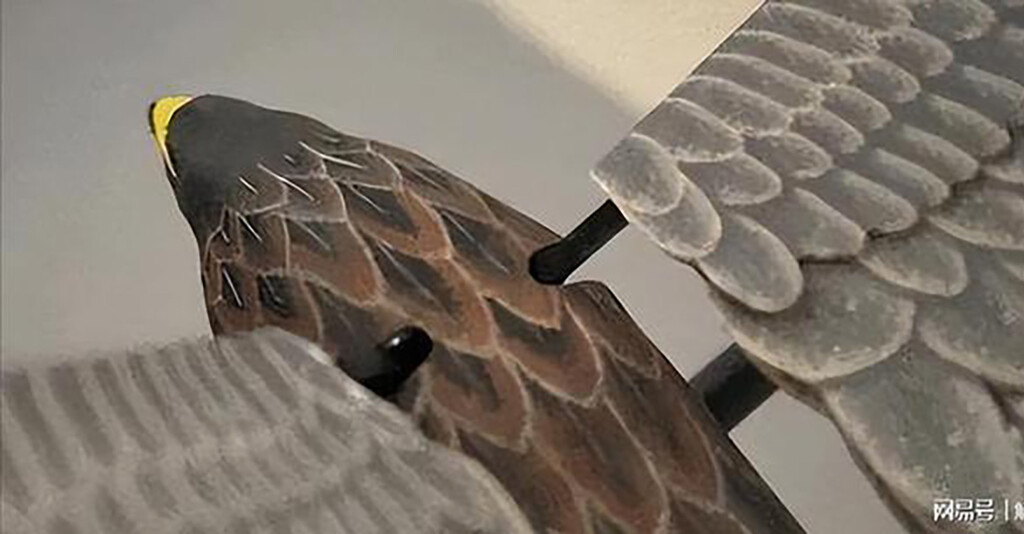
This breakthrough has significant implications for industries such as agriculture, surveillance, and search-and-rescue. Longer flight times mean fewer landings and more area covered, while the bio-inspired design allows for more discreet observation.
How the Record Was Achieved
The Beijing University of Science and Technology team focused on optimizing wing kinematics and energy storage. The eagle-inspired drone likely uses lightweight materials and efficient flight patterns that mimic soaring birds, which conserve energy by gliding on air currents. While the exact technical details are not disclosed, the record demonstrates that flapping-wing technology is maturing beyond mere novelty.
In 2023, the bionic plane from Northwestern Polytechnical University set a Guinness World Record with 185 minutes and 30 seconds. That design also drew inspiration from nature, showcasing a growing trend in Chinese drone research.
Comparing Drone Technologies
To understand the significance of this record, it's helpful to compare flapping-wing drones with conventional rotor-based drones and fixed-wing drones. The table below summarizes key attributes. The longer history behind the story is traced in Flapping-Wing Drones Set 256-Minute Flight Record in China.
| Drone Type | Flight Time (Typical) | Noise Level | Maneuverability | Best Use Cases |
|---|---|---|---|---|
| Flapping-Wing (Ornithopter) | Up to 256 minutes (record) | Low (bird-like) | High in cluttered environments | Surveillance, wildlife monitoring, search-and-rescue |
| Quadcopter (Rotor-Based) | 20-40 minutes | Moderate to high | Excellent hover and precision | Aerial photography, inspections, delivery |
| Fixed-Wing | 60-120 minutes | Low (gliding) | Low (requires forward motion) | Mapping, long-range surveillance |
As the table shows, flapping-wing drones combine the endurance of fixed-wing aircraft with the agility of rotorcraft, making them a compelling option for missions requiring both. The background to this story is set out in Pollinating Insects Flock to Common Garden Weeds Study. A related thread runs through Solar Panels Boost Wildlife: Birds and Insects Thrive Underneath. Earlier coverage in Technology: latest articles shows how the argument developed.
Key Takeaways
- Flapping-wing drones achieve record flight times by mimicking natural flight, with the eagle-inspired model reaching 256 minutes.
- Bio-inspired design offers quieter operation and better energy efficiency than traditional rotor-based drones.
- Chinese researchers are at the forefront, with previous records set by Northwestern Polytechnical University.
- Potential applications include surveillance, environmental monitoring, and search-and-rescue.
- Challenges remain in payload capacity, wind resistance, and manufacturing complexity.
Challenges and Future Directions
Despite the record, flapping-wing drones face hurdles. Their complex mechanics can be fragile, and payload capacity is often limited compared to quadcopters. Windy conditions may also affect stability. However, ongoing research in materials science and control algorithms is addressing these issues. A closer look at the same subject appears in Haier's Dishwasher Sterilizes Phones and Other Tech Marvels. Anyone following the wider picture can start with China's Deep-Sea Cable Cutter Threatens Global Internet. The same theme surfaces in China's 6G Push: The Critical Tech for AI Deployment, which takes a different angle.
The team at Beijing University of Science and Technology is likely to continue refining the design, potentially leading to commercial applications. As drones become more integrated into daily life, bio-inspired solutions could offer a sustainable and efficient alternative. Context on how this played out before sits in Ukraine's Drone Industry Turns to Taiwan to Cut China Reliance. A companion piece, China's 96-Drone Swarm Redefines Combat Drone Warfare, approaches the same subject from another angle.
FAQ
What is a flapping-wing drone?
A flapping-wing drone, or ornithopter, is an unmanned aerial vehicle that flies by flapping its wings, mimicking birds or insects. This design contrasts with rotor-based drones that use spinning blades.
How long can flapping-wing drones fly?
Flight times vary by design, but the current record is 256 minutes, achieved by an eagle-inspired drone from the Beijing University of Science and Technology. Earlier records include 185 minutes and 30 seconds set in 2023.
What are the advantages of flapping-wing drones?
They offer longer flight times, quieter operation, and greater maneuverability in cluttered environments. Their bio-inspired flight also makes them less conspicuous for surveillance.
Are flapping-wing drones commercially available?
Most are still in research and development. However, as technology matures, they are expected to enter markets such as agriculture, security, and environmental monitoring.
Browse the Shop
 Acacia frida deluxe solid wood bed frame |
Bedroom bench |
Bed chest drawers |
Lingerie dresser |
Frame base |
Mirror with jewelry storage |
30 Bathroom Vanity |
Memory foam queen mattress |
Mattresses for back pain |
Nightstand set of 2 |
Grand Goldman Shop |
Civil Lawyer
Deutschland Trikot WM 2026







