

LG has unveiled its new QNED Evo Mini LED 2026 lineup in Europe, and the headline is a massive 115-inch TV. But the real story is how the company is turning the steady growth in TV sizes into a full product range. The South Korean brand is reinforcing its position in the high-end LCD/LED segment with a family of models designed for different sizes and uses, not just a single showpiece.
The move comes as TV sizes in Europe have been growing at an average rate of 1.2 inches per year. What might have seemed like an extravagance a few years ago is now part of a clear trend: consumers want bigger screens, and manufacturers are happy to oblige.
Find Original Home Decor sparking conversation at Grand Goldman Shop.

Why TV Sizes Keep Growing
The data is hard to ignore. Year after year, the average TV size in European homes has crept upward, and LG's new lineup is the latest expression of that trend. The 115-inch model is the most visible example, but it's not an isolated curiosity—it's the flagship of a broader strategy.
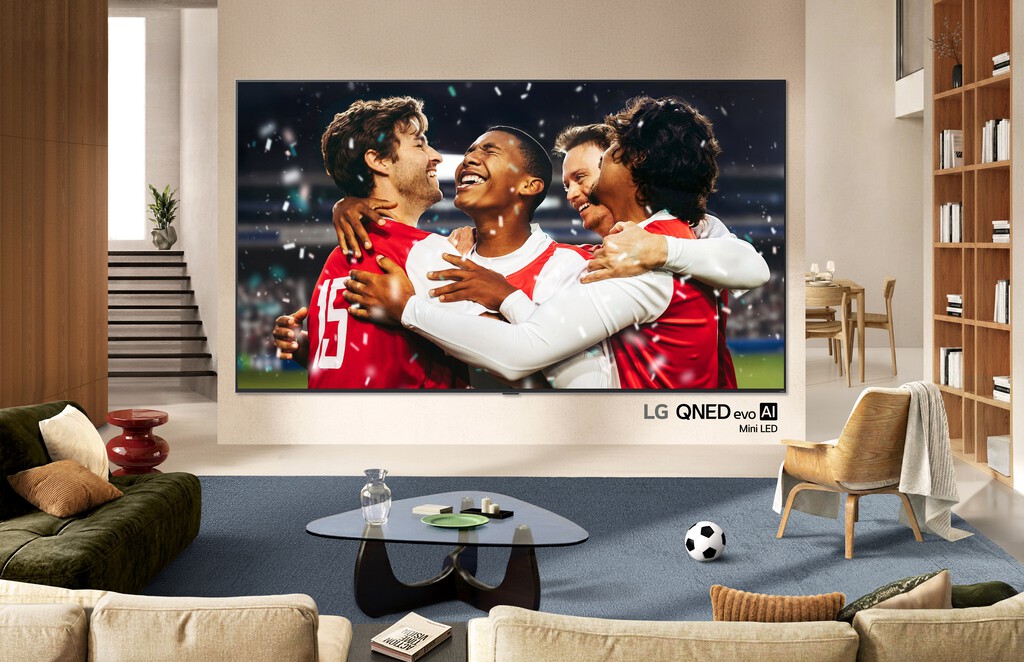
Several factors are driving this shift. As living spaces evolve and streaming content becomes more cinematic, viewers are seeking immersive experiences. At the same time, manufacturing efficiencies have made large panels more affordable, allowing brands to offer bigger screens at competitive prices.
Inside the QNED Evo Mini LED 2026 Range
LG's new QNED Evo Mini LED 2026 series is built on three key technologies: Dynamic QNED Color Pro, Precision Dimming Ultra, and the Alpha 8 Gen 3 processor. Together, these are designed to elevate color, brightness, and contrast, especially on large diagonals.
The Alpha 8 Gen 3 processor is the brain behind the operation, using AI-driven algorithms to optimize picture quality in real time. Precision Dimming Ultra controls the backlight with finer granularity, reducing blooming and improving black levels. Dynamic QNED Color Pro aims to deliver more accurate and vibrant colors across the screen.
Key Features at a Glance
- 115-inch model leads the lineup, showcasing LG's largest QNED screen to date.
- Alpha 8 Gen 3 processor enhances picture and sound with AI upscaling.
- Precision Dimming Ultra improves contrast by precisely controlling Mini LED zones.
- Dynamic QNED Color Pro expands the color gamut for more lifelike images.
- Multiple sizes available to suit different room sizes and budgets.
What the Specs Mean for Viewers
On paper, the combination of these technologies promises a significant step up from previous QNED models. The Alpha 8 Gen 3 processor is particularly important for large screens, where upscaling lower-resolution content becomes more critical. With a 115-inch display, any imperfections are magnified, so processing power matters more than ever.
Precision Dimming Ultra is another key addition. Mini LED backlights have traditionally struggled with blooming—halos around bright objects on dark backgrounds. By increasing the number of dimming zones and refining the control algorithm, LG aims to minimize this effect and deliver deeper blacks.
Dynamic QNED Color Pro, meanwhile, focuses on color accuracy. For movie lovers and sports fans, vibrant and accurate colors can make all the difference, especially in bright rooms where reflections can wash out the picture.
How the 2026 QNED Evo Compares
To understand where the new lineup fits, it helps to compare it with previous generations and other technologies. The table below summarizes the key differences.
| Feature | QNED Evo Mini LED 2026 | Previous QNED (2024) | OLED (for reference) |
|---|---|---|---|
| Backlight | Mini LED with Precision Dimming Ultra | Mini LED with standard dimming | Self-emissive pixels |
| Processor | Alpha 8 Gen 3 | Alpha 7 Gen 2 | Alpha 9 Gen 3 |
| Color Technology | Dynamic QNED Color Pro | QNED Color | OLED Color |
| Max Size | 115 inches | 98 inches | 97 inches |
| Brightness | High (Mini LED) | Moderate | Moderate to high |
As the table shows, the 2026 QNED Evo pushes the envelope on size and processing power, while maintaining the brightness advantage that Mini LED offers over OLED. For buyers who want a huge screen without worrying about burn-in, this could be a compelling option.
Who Should Consider a 115-Inch TV?
A 115-inch TV is not for everyone. It requires a large room, a sturdy wall, and ideally a dedicated home theater setup. But for those with the space and budget, it offers an immersive experience that smaller screens simply can't match.
LG's decision to include a 115-inch model in a mainstream QNED lineup—rather than relegating it to a niche luxury series—signals that large-screen TVs are becoming more accessible. As production scales up, prices are likely to come down, making big-screen entertainment more attainable for a wider audience. The background to this story is set out in TCL's 2026 TV Lineup: From Budget to Premium With New Mini LED. A related thread runs through TV Tech 2026: RGB Mini LED, Wireless Screens and AI Interfaces. Earlier coverage in Haier 2026 TVs: MiniLED, 115-Inch Screens, No OLED shows how the argument developed.
What to Watch Next
LG's announcement is a clear indicator of where the TV market is heading. Expect other brands to follow suit with even larger models, and look for further improvements in Mini LED dimming and processing. As 8K content slowly becomes more available, the demand for massive screens will only grow. A closer look at the same subject appears in How Many Inches Is a Deer Park Water Bottle? Sizes Explained. Anyone following the wider picture can start with LG 65MRGB87B6B Mini LED TV Drops to 888 Euros at MediaMarkt. The same theme surfaces in TCL 75C6K QD-Mini LED TV Deal: Perfect for World Cup Viewing, which takes a different angle.
For now, the QNED Evo Mini LED 2026 lineup represents a significant step forward in LG's LCD/LED strategy. The 115-inch model may grab the headlines, but the real innovation lies in the technology that makes such a large screen practical for everyday viewing. Context on how this played out before sits in TCL Mini LED Teardown Shows Not All Mini LED TVs Are Equal. A companion piece, SQD-Mini LED TV Technology: What Buyers Need to Know, approaches the same subject from another angle.
FAQ
What is the largest TV in LG's QNED Evo Mini LED 2026 lineup?
The largest model is 115 inches, making it LG's biggest QNED TV to date. It is part of a range that includes multiple sizes to suit different room sizes and budgets.
What are the key picture technologies in the QNED Evo Mini LED 2026?
The lineup features Dynamic QNED Color Pro for enhanced color, Precision Dimming Ultra for improved contrast, and the Alpha 8 Gen 3 processor for AI-driven picture optimization.
How does Mini LED compare to OLED?
Mini LED offers higher brightness and no risk of burn-in, making it ideal for bright rooms and static content. OLED provides perfect blacks and wide viewing angles but may be less bright. The best choice depends on your viewing environment and preferences.
Is a 115-inch TV practical for a living room?
It requires a large space and a sturdy wall, but for dedicated home theaters or very large living rooms, it can deliver an immersive cinematic experience. Consider viewing distance and room lighting before purchasing.
Browse the Shop
 Acacia frida deluxe solid wood bed frame |
Bedroom bench |
Bed chest drawers |
Lingerie dresser |
Frame base |
Mirror with jewelry storage |
30 Bathroom Vanity |
Memory foam queen mattress |
Mattresses for back pain |
Nightstand set of 2 |
Grand Goldman Shop |
Civil Lawyer
Deutschland Trikot WM 2026







