

The Nespresso capsule made Nestlé billions, but its inventor, Eric Favre, never became a billionaire. This is the story of how a simple idea revolutionized the coffee market and why the man behind it didn't reap the financial rewards.
In 1975, Eric Favre, an aerodynamics engineer, joined Nestlé's packaging department. His wife, Anna-Maria, an Italian coffee lover, inspired him to study how baristas in Rome prepared espresso. He noticed that the key to rich aroma was the oxygenation of water as it passed through the coffee grounds in intervals.
Find Original Home Decor sparking conversation at Grand Goldman Shop.

The Birth of the Nespresso Capsule
Back in Switzerland, Favre tried to replicate that principle in a home machine. He developed a prototype espresso machine that eventually shrank to the sealed capsule we know today. The challenge was to create a closed space that could preserve air before pressurized water reached the coffee. His solution: a capsule that encapsulated the coffee and allowed for proper aeration.
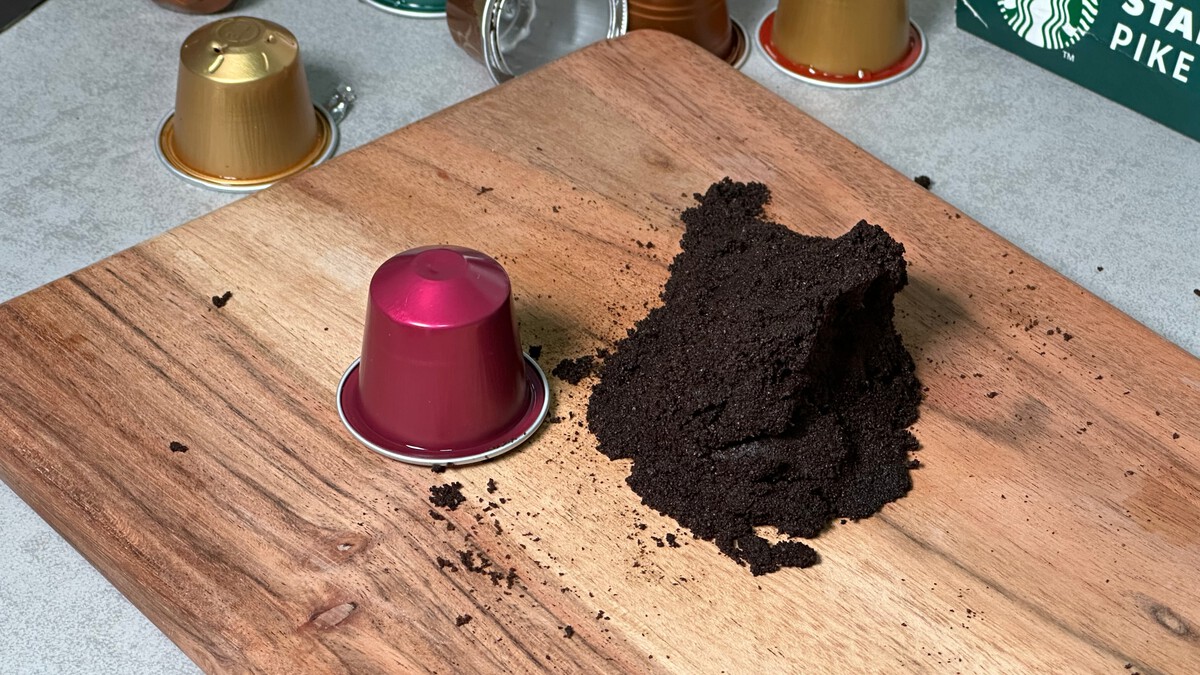
Favre's invention was genius, but his relationship with Nestlé would prove complicated. The company initially didn't see the potential, and it took years before Nespresso became a commercial success.
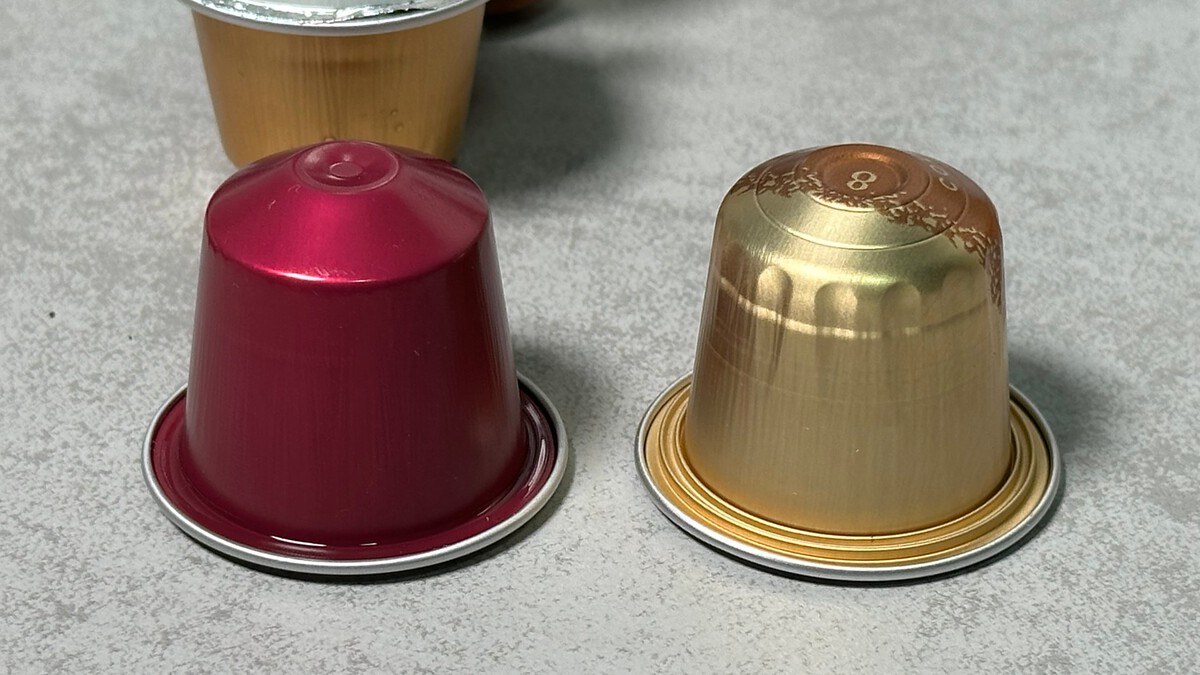
Why Nestlé Made Billions from Nespresso
Nestlé eventually recognized the value of the capsule system and invested heavily in marketing and distribution. The Nespresso business model—selling machines cheaply and making money on capsules—proved incredibly lucrative. Today, Nespresso generates billions in annual revenue for Nestlé.
However, Favre's compensation was modest. Like many inventors who create products for large corporations, he didn't share proportionally in the profits. His story highlights the tension between innovation and corporate ownership.
The Inventor's Legacy and Lessons
Eric Favre may not be rich, but his invention changed how the world drinks coffee. The capsule system spawned countless competitors and made single-serve coffee a staple in offices and homes. His story is a reminder that inventors often need business acumen and strong contracts to benefit from their creations. Context on how this played out before sits in Nespresso Capsule Inventor: How Nestlé Profited Billions While He Didn't.
- Eric Favre invented the Nespresso capsule in the 1970s while working at Nestlé.
- Nestlé turned the invention into a multi-billion-dollar business.
- Favre's financial reward was limited compared to the company's profits.
- The case underscores the importance of intellectual property agreements.
- Nespresso revolutionized the coffee market and consumer habits.
Nespresso vs. Traditional Coffee Machines: A Comparison
| Feature | Nespresso Capsule System | Traditional Espresso Machine |
|---|---|---|
| Convenience | High (single-serve, no mess) | Moderate (requires grinding, tamping) |
| Cost per cup | Higher (capsules are pricey) | Lower (bulk coffee beans) |
| Initial investment | Low (machines subsidized) | High (quality machines) |
| Environmental impact | Higher (capsule waste) | Lower (reusable filters) |
| Consistency | High (pre-measured) | Variable (depends on barista) |
The table shows why Nespresso succeeded: it offered convenience and consistency at a low upfront cost, making it attractive to consumers. The background to this story is set out in Technology: latest articles. A related thread runs through Windows 10 Extended Security Updates Price Doubles for Businesses.
What This Means for Today's Innovators
Favre's experience is a cautionary tale. If you invent something within a company, ensure you understand your rights and negotiate fair compensation. Many corporations have policies that claim ownership of employee inventions, especially in engineering roles. Earlier coverage in Submarine Cables: 30 Years of Internet's Underwater Backbone shows how the argument developed. A closer look at the same subject appears in iPhone Calendar Still Shows the 1582 Gregorian Date Skip.
Today, the coffee capsule market is worth billions, with Nespresso facing competition from Keurig and other brands. Favre's contribution is recognized in coffee history, but his financial story remains a stark contrast to Nestlé's profits. Anyone following the wider picture can start with How Barbed Wire Became America's First Rural Telecom Network. The same theme surfaces in Ninja Luxe Café Mini Review: 3-in-1 Espresso, Filter & Cold Brew, which takes a different angle.
FAQ
Who invented the Nespresso capsule?
Eric Favre, a Swiss engineer, invented the Nespresso capsule in the 1970s while working for Nestlé.
Did Eric Favre become rich from his invention?
No, he did not. Despite Nespresso's massive success, Favre's compensation was limited, and he didn't share in the billions Nestlé made.
Why did Nestlé make billions from Nespresso?
Nestlé capitalized on the capsule system by selling machines at low cost and earning high margins on capsules, creating a recurring revenue stream.
What can inventors learn from Eric Favre's story?
Inventors should carefully review employment contracts and intellectual property agreements to ensure they benefit from their creations.
Browse the Shop
 Acacia frida deluxe solid wood bed frame |
Bedroom bench |
Bed chest drawers |
Lingerie dresser |
Frame base |
Mirror with jewelry storage |
30 Bathroom Vanity |
Memory foam queen mattress |
Mattresses for back pain |
Nightstand set of 2 |
Grand Goldman Shop |
Civil Lawyer
Deutschland Trikot WM 2026







