

PHOLED technology is emerging as the solution to OLED burn-in, the persistent issue that has plagued OLED displays since their inception. For years, OLED has been the gold standard for picture quality, with perfect blacks, infinite contrast, and pixel-level dimming. However, these panels suffer from uneven pixel degradation, commonly known as burn-in, which leaves ghostly logos or banners on the screen.
Now, the industry believes it has found the missing piece: PHOLED, which focuses on solving the blue subpixel problem. Here's what you need to know about this breakthrough and why it matters for the future of TVs.
Find Original Home Decor sparking conversation at Grand Goldman Shop.

What Is PHOLED and Why Does It Matter?
PHOLED stands for Phosphorescent OLED. It's a display technology that uses phosphorescent materials to emit light, potentially achieving higher efficiency and longevity than traditional fluorescent OLED. The key innovation lies in addressing the blue subpixel, which degrades faster than red and green due to its shorter wavelength and higher energy.
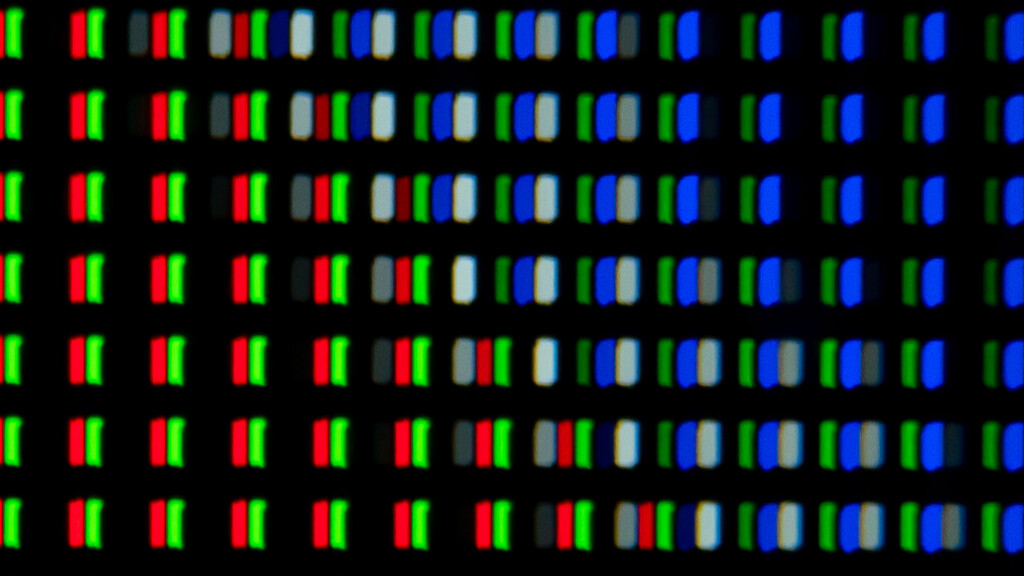
In a conventional OLED panel, organic diodes emit light when current passes through them. Each pixel generates its own color without a backlight, which explains the deep blacks and high contrast. But not all colors age equally: the blue subpixel degrades more quickly, leading to burn-in and color shifts over time.
How PHOLED Solves the Blue Subpixel Problem
PHOLED technology uses phosphorescent blue materials that are more stable and efficient. This means the blue subpixel can last longer without losing brightness, reducing the risk of burn-in. Additionally, PHOLED can potentially lower power consumption, which further extends the lifespan of the panel.
The development of PHOLED has been a long time coming. Researchers have struggled to create stable blue phosphorescent materials, but recent advancements suggest that commercialization is on the horizon. This could revolutionize the OLED TV market, making burn-in a thing of the past.
Key Benefits of PHOLED Technology
- Reduced burn-in risk: By stabilizing the blue subpixel, PHOLED minimizes uneven degradation.
- Longer lifespan: More efficient materials mean the panel lasts longer.
- Better color accuracy over time: Slower degradation preserves picture quality.
- Lower power consumption: Phosphorescent materials can be more energy-efficient.
- Brighter displays: PHOLED can achieve higher brightness levels without compromising longevity.
PHOLED vs. Traditional OLED: A Comparison
| Feature | Traditional OLED | PHOLED |
|---|---|---|
| Blue subpixel stability | Low (degrades faster) | High (phosphorescent materials) |
| Burn-in risk | Moderate to high | Low |
| Power efficiency | Standard | Improved |
| Lifespan | Limited by blue degradation | Extended |
| Commercial availability | Widespread | Emerging |
When Will PHOLED TVs Hit the Market?
While PHOLED technology has been demonstrated in labs, mass production is still a few years away. Industry experts predict that the first PHOLED TVs could arrive by 2025 or later. Major manufacturers are investing heavily in the technology, recognizing its potential to solve the burn-in issue and extend OLED's dominance.
For consumers, this means that current OLED TVs still carry some burn-in risk, especially for static content like news tickers or gaming HUDs. However, the promise of PHOLED offers a glimpse into a future where OLED displays are more durable and reliable. The background to this story is set out in OLED Burn-In in 2026: Real Risk or a Thing of the Past. A related thread runs through First OLED MacBook: Why Screen Burn-In Is Overblown.
What This Means for TV Buyers Today
If you're in the market for a new TV, OLED remains an excellent choice for picture quality, but you should be aware of burn-in risks. To mitigate them, vary your content and enable screen savers. For those concerned about longevity, waiting for PHOLED might be wise, but it's not yet available. Earlier coverage in Lenovo Legion R9000P Debuts First Inkjet-Printed OLED Laptop Screen shows how the argument developed. A closer look at the same subject appears in Why a High-Performance Laptop and OLED Screen Define the Ultimate Gaming Setup.
In the meantime, understanding the technology helps you make informed decisions. As the industry evolves, PHOLED could become the standard, making burn-in a relic of the past. Anyone following the wider picture can start with OLED TV Technology: How It Revolutionized Television Screens.
FAQ
What is PHOLED technology?
PHOLED (Phosphorescent OLED) is an advanced display technology that uses phosphorescent materials to improve efficiency and lifespan, particularly for the blue subpixel, which is prone to degradation in traditional OLEDs.
How does PHOLED prevent burn-in?
PHOLED uses more stable blue phosphorescent materials that degrade more slowly, reducing the uneven aging of subpixels that causes burn-in.
When can I buy a PHOLED TV?
PHOLED TVs are not yet commercially available. Industry estimates suggest they could reach the market by 2025 or later, depending on manufacturing challenges.
Is OLED still worth buying now?
Yes, OLED offers superior picture quality, but be mindful of burn-in risks. If you watch varied content and use screen savers, it's a great choice. For those prioritizing longevity, waiting for PHOLED might be an option.
As the display industry continues to innovate, PHOLED represents a significant step forward. While we wait for its commercial release, it's worth exploring other financial and business aspects of technology adoption. For instance, understanding how to cotizar sin trabajar: cómo funciona el convenio especial con la Seguridad can be crucial for freelancers and early retirees navigating Spain's social security system. This knowledge helps you plan better for large purchases like a new TV.
Moreover, staying informed about technological advancements like PHOLED can inform your investment decisions. Whether you're upgrading your home entertainment system or considering a career shift into tech, understanding these trends is valuable. The same applies to managing your finances; knowing how to cotizar sin trabajar: cómo funciona el convenio especial con la Seguridad ensures you're prepared for unexpected expenses.
Finally, as PHOLED technology matures, it will likely impact the broader electronics market. Keeping an eye on such innovations can help you make smarter choices, whether you're buying a TV or planning your financial future. And remember, understanding options like cotizar sin trabajar: cómo funciona el convenio especial con la Seguridad is just one part of a well-rounded strategy.
Browse the Shop
 Acacia frida deluxe solid wood bed frame |
Bedroom bench |
Bed chest drawers |
Lingerie dresser |
Frame base |
Mirror with jewelry storage |
30 Bathroom Vanity |
Memory foam queen mattress |
Mattresses for back pain |
Nightstand set of 2 |
Grand Goldman Shop |
Civil Lawyer
Deutschland Trikot WM 2026







