

3D-printed prefab homes are being touted as a way to alleviate Spain's housing crisis, but architects caution they are not a structural solution. The debate gained momentum when Madrid's mayor, José Luis Martínez-Almeida, presented the city's first development built "in wood with prefabricated 3D modules," aiming to lower housing costs by "reducing timelines." The Municipal Housing and Land Company (EMVS) announced plans to promote "the construction of 800 homes developed with this system" in the region. But is this system truly scalable and a solution to Spain's housing crisis?
What Are 3D-Printed Prefab Homes?
3D-printed prefab homes use industrialised construction methods where building components—or entire modules—are produced in a factory using 3D printing technology. These modules are then transported to the construction site and assembled. The approach promises faster construction times, reduced labor costs, and less waste compared to traditional building methods.
Find Original Home Decor sparking conversation at Grand Goldman Shop.

While industrialised systems have been used for years for warehouses and single-family homes, high-rise buildings such as hotels and educational centers are now beginning to adopt these techniques. Tenders for multi-family buildings like Madrid's are becoming more common. "There are similar cases in Andalusia and the Valencian Community, with different industrialisation systems, both 2D and 3D, using wood, concrete, or steel," says Gerardo del Río, civil engineer and commercial director at construction company Guerola, which operates a 3D industrialised building factory.

The Promise: Faster and Cheaper Construction
Proponents argue that 3D-printed prefab homes can significantly reduce construction timelines and costs. By automating parts of the building process, developers can potentially deliver homes more quickly and at lower prices. This is particularly appealing in markets like Spain, where housing affordability has become a pressing issue.
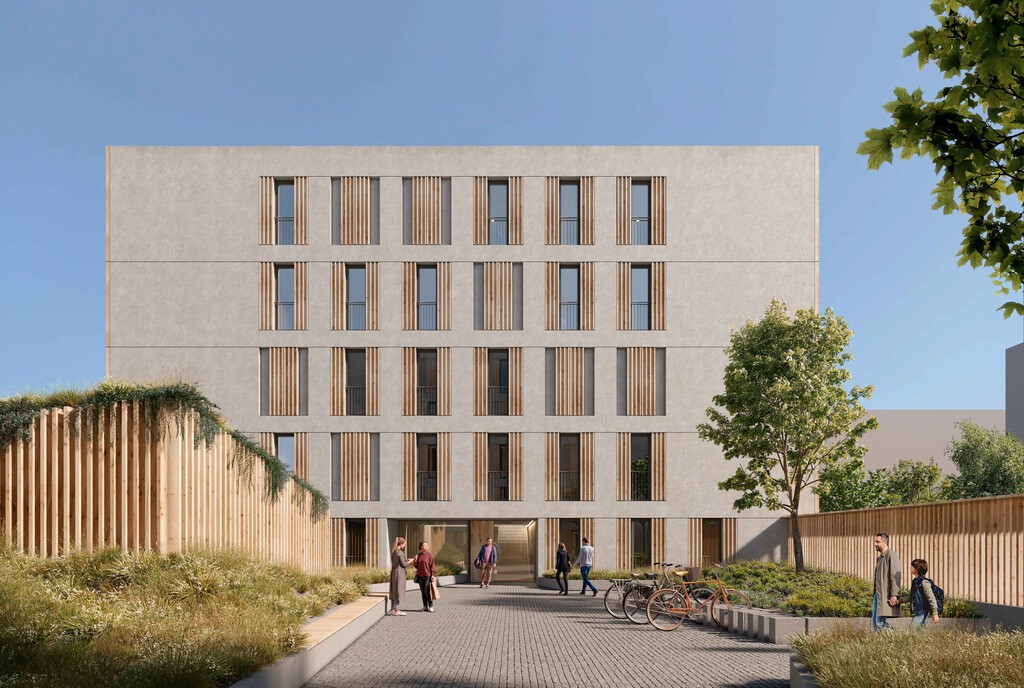
Madrid's initiative aims to cut costs by streamlining construction. The EMVS's plan for 800 homes using this system reflects a growing interest in industrialised methods as a way to scale up housing production. However, experts warn that while these methods can help, they are not a cure-all.
Expert Caution: Not a Structural Solution
Margarita de Luxán García de Diego, an architect and emeritus professor of Graphic Expression at the Technical University of Madrid (UPM), describes the technique as "practically experimental." She notes that it still needs to advance to overcome limitations that could "rigidify its use." In other words, the technology is not yet mature enough to be a universal solution.
While 3D printing has made strides in recent years, its application in multi-story residential buildings remains limited. The method works well for repetitive designs, but customization and regulatory approvals can be challenging. Moreover, the durability and long-term performance of 3D-printed structures are still being studied.
Key Considerations for 3D-Printed Prefab Homes
- Scalability: While the technology can produce homes quickly, scaling up to meet entire cities' housing needs requires significant investment in factories and supply chains.
- Regulatory Hurdles: Building codes and zoning laws may not yet be adapted to 3D-printed construction, slowing adoption.
- Design Limitations: 3D printing is often best suited for standardized designs, which may not fit all architectural needs.
- Cost Effectiveness: Initial savings may be offset by the high cost of setting up production facilities and training workers.
- Long-Term Performance: The durability and maintenance requirements of 3D-printed buildings are still under evaluation.
Comparing Construction Methods
To understand the potential of 3D-printed prefab homes, it's helpful to compare them with traditional and other industrialised methods. The table below outlines key differences. The background to this story is set out in Spain's Housing Crisis: Construction Costs Slow Building. A related thread runs through Spain Housing Crisis: Inside the Growing Tent Camp Protest. Earlier coverage in Amazon Expandable Prefab House: Live-Ready for Under $11,000 shows how the argument developed.
| Method | Typical Timeline | Cost | Scalability | Best Use Case |
|---|---|---|---|---|
| Traditional Construction | Long (12-24 months) | High | Moderate | Custom homes, complex designs |
| 3D-Printed Prefab | Short (weeks to months) | Moderate to Low | High (with investment) | Standardized multi-family units |
| 2D Panelized Prefab | Moderate (3-6 months) | Moderate | High | Quick assembly, low-rise buildings |
| Modular Construction | Short (weeks to months) | Moderate | High | Hotels, dormitories, repetitive layouts |
The Road Ahead for 3D-Printed Housing in Spain
Spain's housing crisis is multifaceted, driven by high demand, limited supply, and rising construction costs. While 3D-printed prefab homes offer a promising tool, they are not a silver bullet. Experts like de Luxán emphasize that the technology is still evolving and must overcome technical and regulatory challenges before it can be widely adopted. A closer look at the same subject appears in Spain Housing Crisis: Can Sánchez Win Voters on Fair Housing. Anyone following the wider picture can start with Spain Housing Crisis: New Eviction Bans and Rental Reforms. The same theme surfaces in Spain Housing Crisis: Tens of Thousands Protest in Madrid, which takes a different angle.
For now, pilot projects like Madrid's 800-home development will provide valuable data on the feasibility and performance of 3D-printed construction. If successful, they could pave the way for broader use, but architects and policymakers agree that a mix of solutions—including traditional construction, rehabilitation of existing stock, and industrialised methods—is needed to address the crisis structurally. Context on how this played out before sits in Spain Housing Crisis: Activists Pin Hopes on Snap Election. A companion piece, Amazon Prefab House: Expandable Home With Kitchen and Bath for €14,500, approaches the same subject from another angle.
FAQ
What are 3D-printed prefab homes?
3D-printed prefab homes are built using industrialised methods where components or entire modules are produced in a factory with 3D printing technology and then assembled on-site. This approach aims to reduce construction time and cost.
Can 3D-printed homes solve Spain's housing crisis?
They can help alleviate the crisis by speeding up construction and lowering costs, but experts say they are not a structural solution on their own. The technology is still experimental and faces scalability and regulatory challenges.
What are the main challenges for 3D-printed construction?
Challenges include high initial investment in factories, adapting building codes, limited design flexibility, and uncertainty about long-term durability. These factors currently limit widespread adoption.
Are there examples of 3D-printed housing projects in Spain?
Yes, Madrid's EMVS has announced plans for 800 homes using prefabricated 3D modules. Similar projects are emerging in Andalusia and the Valencian Community, using various industrialised systems.
Browse the Shop
 Acacia frida deluxe solid wood bed frame |
Bedroom bench |
Bed chest drawers |
Lingerie dresser |
Frame base |
Mirror with jewelry storage |
30 Bathroom Vanity |
Memory foam queen mattress |
Mattresses for back pain |
Nightstand set of 2 |
Grand Goldman Shop |
Civil Lawyer
Deutschland Trikot WM 2026







