

When it comes to finding the best wireless headphones for swimming, the Shokz OpenSwim Pro stand out as the top choice for most swimmers. These bone conduction headphones are designed to stay submerged for up to two hours, letting you enjoy music throughout your pool session without interruption.
Swimming is a full-body workout, but the repetitive laps can feel monotonous. Having reliable audio gear makes the experience far more enjoyable and helps you stay motivated. In this guide, we break down what to look for and which models are worth your money.
Find Original Home Decor sparking conversation at Grand Goldman Shop.

Why You Need Specialized Headphones for Swimming
Regular wireless earbuds are not built to survive chlorinated water. Even those with high IP ratings often fail once you submerge them repeatedly. Swimming headphones must be waterproof, secure, and able to play audio without a Bluetooth connection, since Bluetooth signals do not travel well underwater.
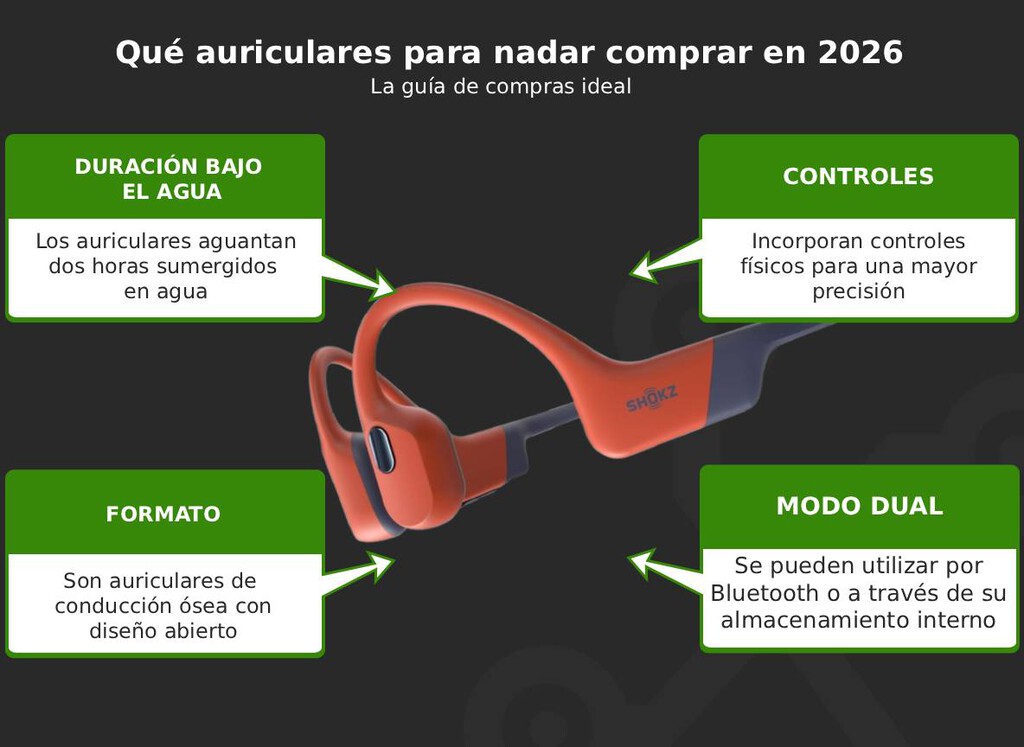
The best options use either bone conduction technology or built-in MP3 storage. Bone conduction sends sound vibrations through your cheekbones, leaving your ears open to hear ambient noise—a safety plus in crowded pools. Internal storage solves the connectivity problem entirely.
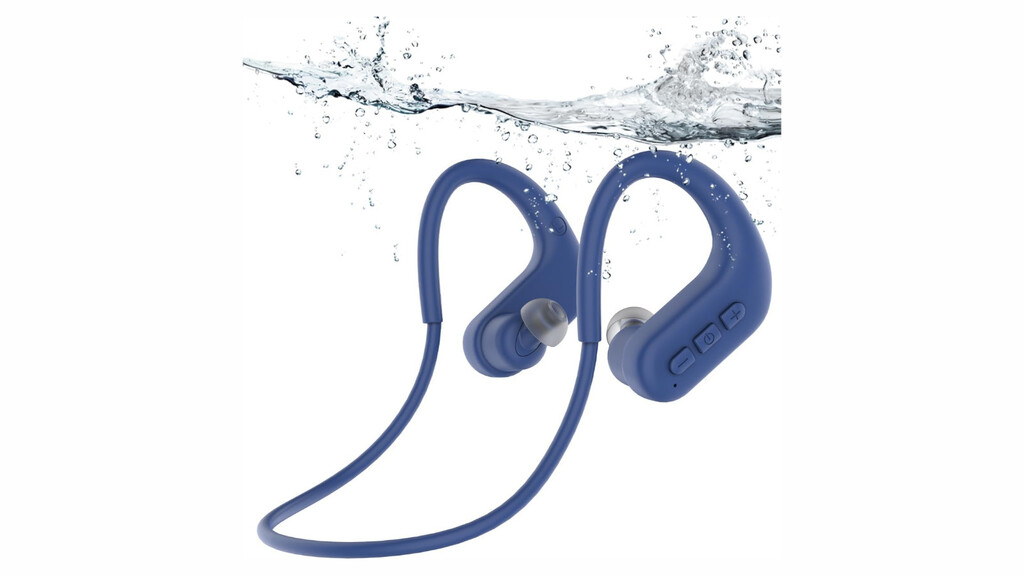
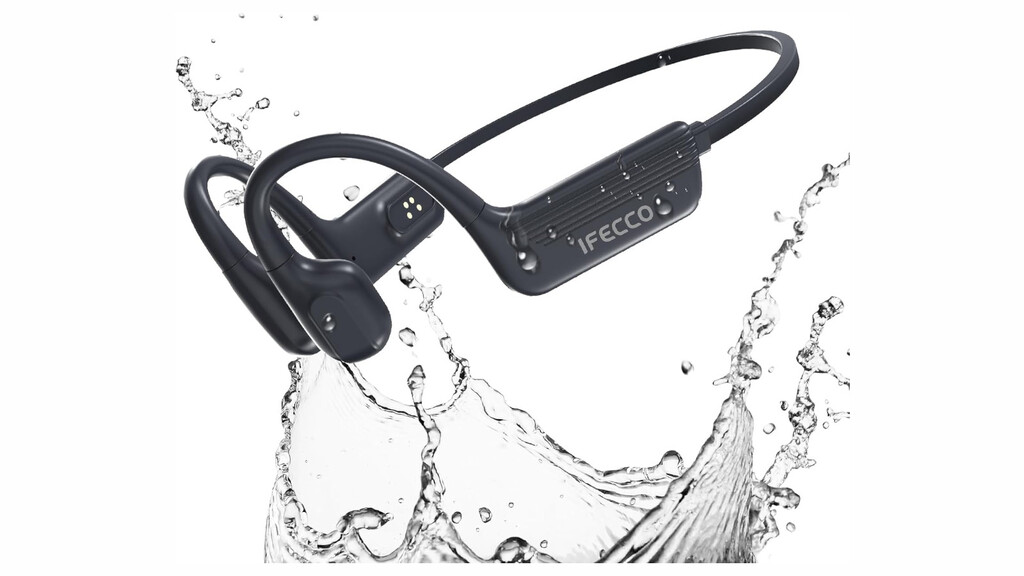
Top Contenders for Pool Use
The Shokz OpenSwim Pro lead the pack with a dual-mode design. You can use them via Bluetooth when out of the water or switch to their 32GB internal storage for swimming. That storage holds thousands of songs, so you never have to worry about dropouts mid-lap. Physical buttons make control easy, even with wet hands.
If you prefer in-ear style, there are waterproof models that seal out water and deliver richer bass. However, they typically offer around two hours of underwater playtime, similar to the Shokz. For those new to bone conduction, budget-friendly alternatives exist, though you may sacrifice some storage capacity or durability.
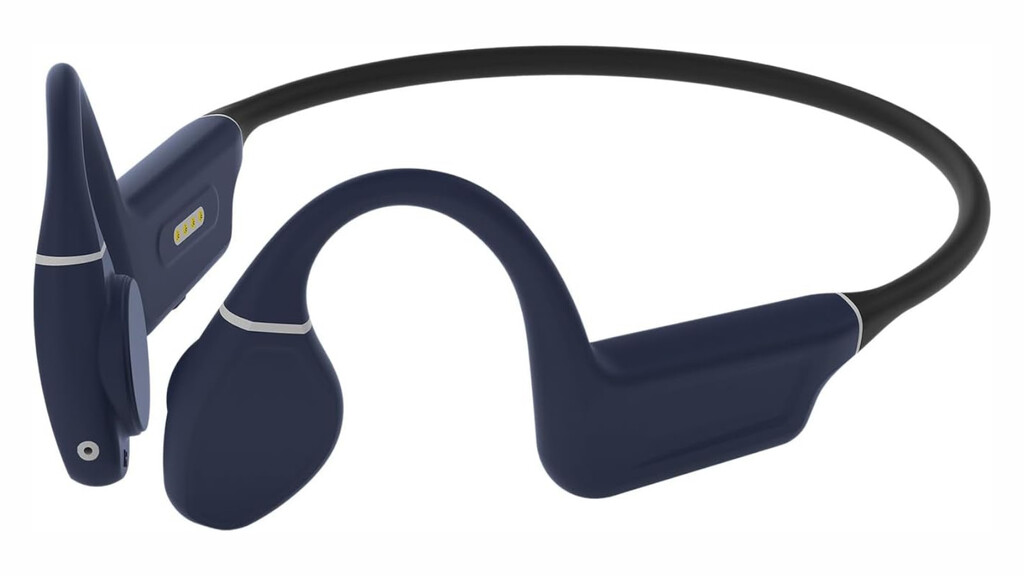
Key Features to Compare
Before buying, consider how you swim. Lap swimmers benefit from internal storage and a secure fit. Casual users might prioritize Bluetooth convenience. Always check the waterproof rating—look for IP68 or specific swim ratings—and ensure the headphones can handle chlorine and saltwater.
- Waterproof rating: IP68 or higher for submersion.
- Playtime underwater: At least 2 hours for typical workouts.
- Storage: Internal MP3 memory (e.g., 32GB) avoids Bluetooth dropouts.
- Fit: Secure and comfortable for active swimming.
- Controls: Physical buttons work better when wet.
Comparison Table: Shokz OpenSwim Pro vs. Typical In-Ear Swimming Headphones
| Feature | Shokz OpenSwim Pro | Typical In-Ear Waterproof |
|---|---|---|
| Type | Bone conduction | In-ear |
| Waterproof Depth | Up to 2 hours submerged | Up to 2 hours submerged |
| Connectivity | Bluetooth + 32GB storage | Bluetooth (limited underwater) |
| Controls | Physical buttons | Varies, often touch |
| Best For | Long swims, no dropouts | Casual swimmers, bass lovers |
Who Should Buy the Shokz OpenSwim Pro?
These headphones are ideal for dedicated swimmers who log serious pool time. The two-hour underwater rating covers most training sessions, and the 32GB storage means you can swim without carrying a phone. If you value situational awareness, bone conduction keeps you connected to your surroundings.
On the other hand, if you only swim occasionally or prefer the feel of in-ear buds, a waterproof in-ear model may suit you better. Just be aware that Bluetooth won't work underwater, so you'll need a model with onboard storage or a wired connection to a waterproof player. The background to this story is set out in Best Wireless Over-Ear Headphones: Sony WH-1000XM6 and Top Picks. A related thread runs through Trending: latest articles.
What to Watch for When Buying
The market for swimming headphones is growing, but not all products live up to their claims. Look for clear specifications on underwater playtime and storage. Some brands don't disclose how long their headphones last submerged, which is a red flag. Stick with reputable names and read user reviews from swimmers. Earlier coverage in TCL Crystal Clip Open-Ear Headphones: Jewelry-Like Design, Now on Sale shows how the argument developed. A closer look at the same subject appears in Nothing CMF Clip Pro Open-Ear Earbuds Launch at 79.95 Euros.
Also, consider the fit. Bone conduction headphones rest on your cheekbones and stay put during laps. In-ear models need proper ear tips to create a seal and prevent water from entering. Test the fit before committing to a long workout. Anyone following the wider picture can start with Samsung Galaxy Buds4 Pro Deal: Premium Earbuds at Refurbished Price. The same theme surfaces in Swimming After 60: The Ultimate Joint-Friendly Exercise, which takes a different angle.
FAQ
Can I use regular wireless earbuds for swimming?
No, most regular wireless earbuds are not waterproof enough for swimming. Even those with high IP ratings may fail under repeated submersion. You need headphones specifically designed for swimming, with waterproof seals and often internal storage since Bluetooth doesn't work underwater.
How long do swimming headphones last underwater?
It varies by model. The Shokz OpenSwim Pro can handle up to two hours submerged, which covers most workouts. Many in-ear swimming headphones also offer around two hours. Always check the manufacturer's specs for exact ratings.
Do bone conduction headphones work underwater?
Yes, bone conduction headphones like the Shokz OpenSwim Pro are designed to work underwater. They transmit sound through vibrations in your cheekbones, bypassing the ear canal. This allows you to hear music while swimming and still be aware of your surroundings.
Can I listen to music via Bluetooth while swimming?
Bluetooth signals do not travel well through water, so you cannot rely on a Bluetooth connection while swimming. That's why many swimming headphones include internal storage for MP3 files, allowing you to listen without a wireless connection.
Browse the Shop
 Acacia frida deluxe solid wood bed frame |
Bedroom bench |
Bed chest drawers |
Lingerie dresser |
Frame base |
Mirror with jewelry storage |
30 Bathroom Vanity |
Memory foam queen mattress |
Mattresses for back pain |
Nightstand set of 2 |
Grand Goldman Shop |
Civil Lawyer
Deutschland Trikot WM 2026







