

Cat leash walking has exploded on social media, but according to feline therapist Paula Vanasco, the trend requires a major shift in mindset: the cat needs to explore the territory at its own pace, not be led where you want on a leash. Vanasco, president of the ResCats Borges Blanques association, warns that forcing a cat to walk like a dog can cause stress and behavioral problems.
The Rise of Adventure Cats on Social Media
Since the 2010s, platforms like Instagram and TikTok have popularized "adventure cats"—felines that hike, sail, and even swim alongside their owners. Early influencers included Vladimir, a cat who traveled across the United States in a motorhome, and Skatty, a Maine Coon who lived on a sailboat with his deaf owner and alerted him to approaching boats or messages.
Find Original Home Decor sparking conversation at Grand Goldman Shop.

Today, hashtags like #catleashtraining and #adventurecat generate thousands of posts. But behind the picturesque reels lies a reality that many owners discover quickly: cats are not small dogs. They resist being tethered and often freeze or panic when pulled.

Why Cats Resist Leashes (and What to Do About It)
Unlike dogs, cats are territorial and control-driven. They rely on scent, familiarity, and predictable routes to feel safe. A leash restricts their ability to flee or investigate, which can trigger anxiety. Vanasco emphasizes that the goal should never be to drag a cat along a path but to allow it to dictate the walk's direction and duration.
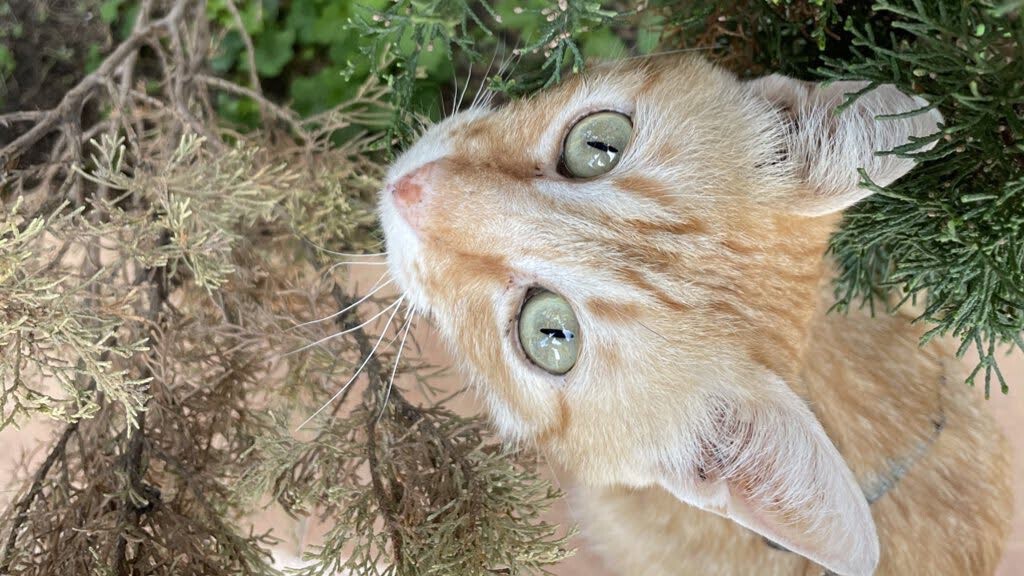
Successful leash training starts indoors with a well-fitted harness. Let the cat wear it for short periods, rewarding calm behavior. Gradually attach a lightweight leash and let the cat drag it around the house under supervision. Only when the cat seems completely comfortable should you attempt short outdoor sessions in a quiet, familiar area.
Key Takeaways for Leash Training Your Cat
- Start indoors with a harness and leash, using positive reinforcement.
- Let the cat lead—never pull or force movement.
- Choose quiet, familiar environments to reduce stress.
- Watch for stress signals like flattened ears, tail twitching, or freezing.
- Be patient; some cats never adapt to leashes, and that's okay.
How to Read Your Cat's Comfort Level
Body language is your best guide. A relaxed cat walks with a raised tail and curious sniffing. A stressed cat may crouch, try to hide, or struggle. If your cat shows these signs, end the session and try again another day. Vanasco notes that many behavioral issues she treats stem from owners ignoring these signals.
It's also crucial to use the right equipment. A secure, escape-proof harness is essential—cats can slip out of collars or flimsy harnesses in seconds. Avoid retractable leashes, which give too much slack and can cause injuries.
Comparing Cat Walking Approaches
| Method | Pros | Cons | Best For |
|---|---|---|---|
| Harness and leash | Allows safe outdoor exploration | Requires training; not all cats accept it | Confident, curious cats |
| Cat stroller | Enclosed, low-stress | Limited exercise; can overheat | Anxious or elderly cats |
| Backpack carrier | Portable, secure | Restrictive; must be ventilated | Travel and vet visits |
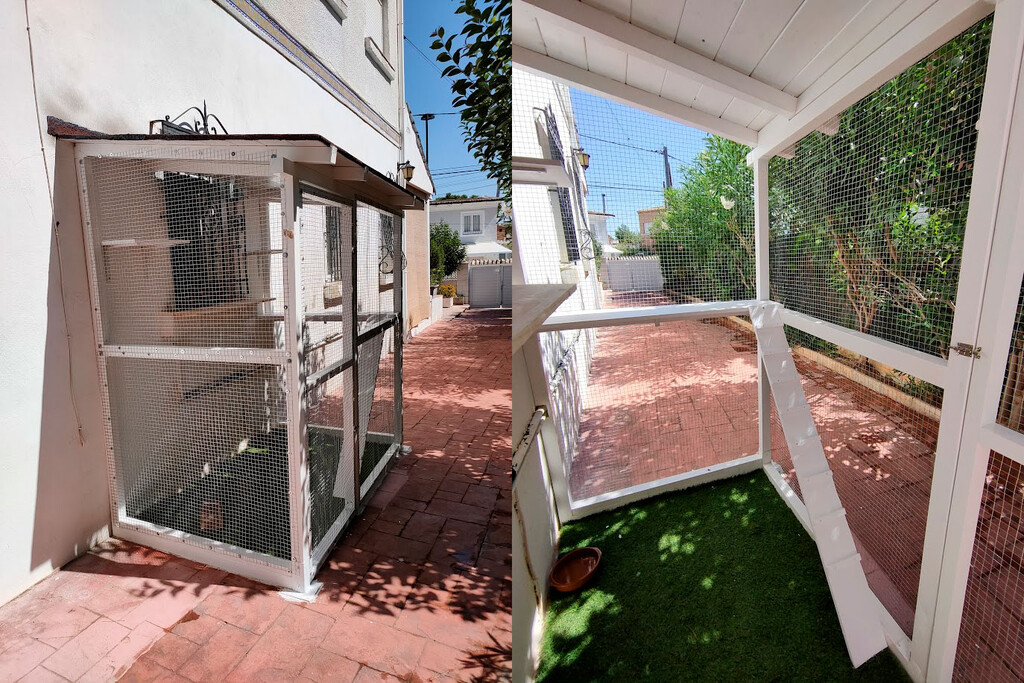
| Cat fencing (catio) | Safe outdoor access at home | Costly to install | Owners with yard space |
The Role of a Feline Therapist
Vanasco's work often involves cases where leash training went wrong. Cats may develop fear aggression, house soiling, or depression after being forced into uncomfortable situations. Therapy focuses on rebuilding confidence through environmental enrichment and gradual desensitization.
She stresses that every cat is an individual. Some enjoy outdoor adventures; others prefer the safety of home. Respecting that difference is key to a happy cat. The background to this story is set out in Person Walking Their Child Gets Worried After Seeing A Dog Without Leash And Yells At Its Owner. A related thread runs through 11 Comics About The Secret Life Of Dogs By ‘Off The Leash’ Every Dog Owner Can Relate. Earlier coverage in Trending: latest articles shows how the argument developed.
What to Watch Next in Cat Walking Trends
As adventure cats gain popularity, expect more products marketed for feline hiking. But experts like Vanasco urge caution: not every cat is suited for leash walking, and forcing it can harm their welfare. The trend may evolve toward safer alternatives like catios and enclosed strollers. A closer look at the same subject appears in Why Your Cat Wakes You at Dawn: Feline Expert Explains. Anyone following the wider picture can start with Cat Care Myths: Why Cats Need More Than Food and Litter. The same theme surfaces in Cat Licking You? Expert Says It's a Sign of Ownership, which takes a different angle.
For now, the message is clear: if you try leash walking, let your cat set the pace. That means short, sniff-filled excursions where the destination doesn't matter. The goal is enrichment, not exercise. Context on how this played out before sits in Explore Britain and Ireland's Most Beautiful Rivers: Walking,. A companion piece, Explore Britain and Ireland's Most Beautiful Rivers: Top Travel, approaches the same subject from another angle.
FAQ
Is it cruel to walk a cat on a leash?
Not if done correctly. Leash walking can be enriching for confident cats, but it requires gradual training and respect for the cat's pace. Forcing a cat to walk can cause stress.
What age should you start leash training a cat?
Kittens adapt more easily, but adult cats can learn too. Start with short, positive sessions indoors and progress slowly. Consult a feline behavior expert if unsure.
How do I know if my cat hates the leash?
Signs include freezing, struggling, hiding, or aggression. If your cat shows these consistently, stop and try alternative enrichment like puzzle toys or a catio.
Can all cats be trained to walk on a leash?
No. Some cats are too anxious or independent. It's essential to assess your cat's personality and never force the experience.
Browse the Shop
 Acacia frida deluxe solid wood bed frame |
Bedroom bench |
Bed chest drawers |
Lingerie dresser |
Frame base |
Mirror with jewelry storage |
30 Bathroom Vanity |
Memory foam queen mattress |
Mattresses for back pain |
Nightstand set of 2 |
Grand Goldman Shop |
Civil Lawyer
Deutschland Trikot WM 2026







