

Stop storing everything in the fridge just in case, experts warn, because that habit can actually cause mold and ruin your food. For over a century, since the first electric domestic refrigerator—the Domelre—hit the market at around $900 (more than many cars of the era), we've been conditioned to chill first and ask questions later. But that instinct is now being challenged by food scientists and chefs who say the fridge is not a universal storage solution.
The result of our over-reliance on refrigeration is a refrigerator that has become a catch-all drawer where everything goes 'just in case.' And according to experts, that is precisely the error that can lead to mold, lost flavor, and wasted money.
Find Original Home Decor sparking conversation at Grand Goldman Shop.

Why the Fridge Isn't a Cure-All
For decades, we equated preserving with refrigerating. But experts have been dismantling that logic piece by piece. Not every condiment needs to be cold, bread doesn't improve when locked between yogurt containers, and olive oil doesn't become purer by solidifying. In fact, improper refrigeration can accelerate the loss of flavor, alter textures, and even encourage mold growth.
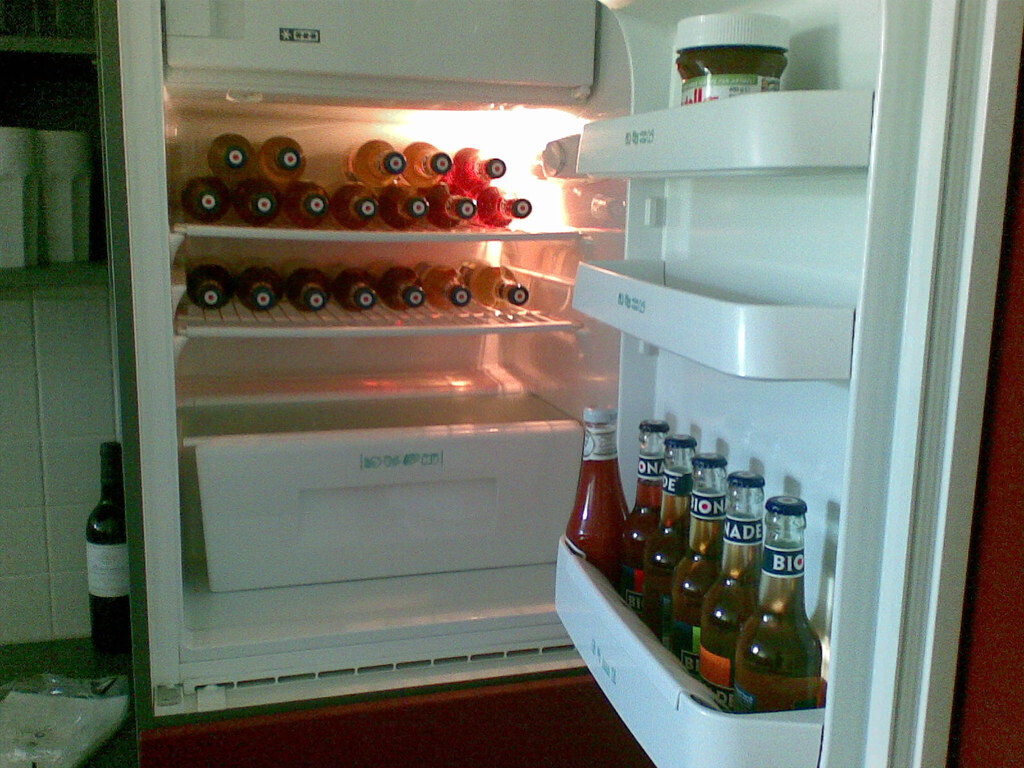
The cold, humid environment of a fridge can be a breeding ground for certain molds, especially when air circulation is poor. Overcrowding makes it worse: when air can't flow, moisture builds up, and that's exactly what mold spores need to thrive. So the next time you shove another 'just in case' item into the fridge, remember that you might be creating a mold incubator.
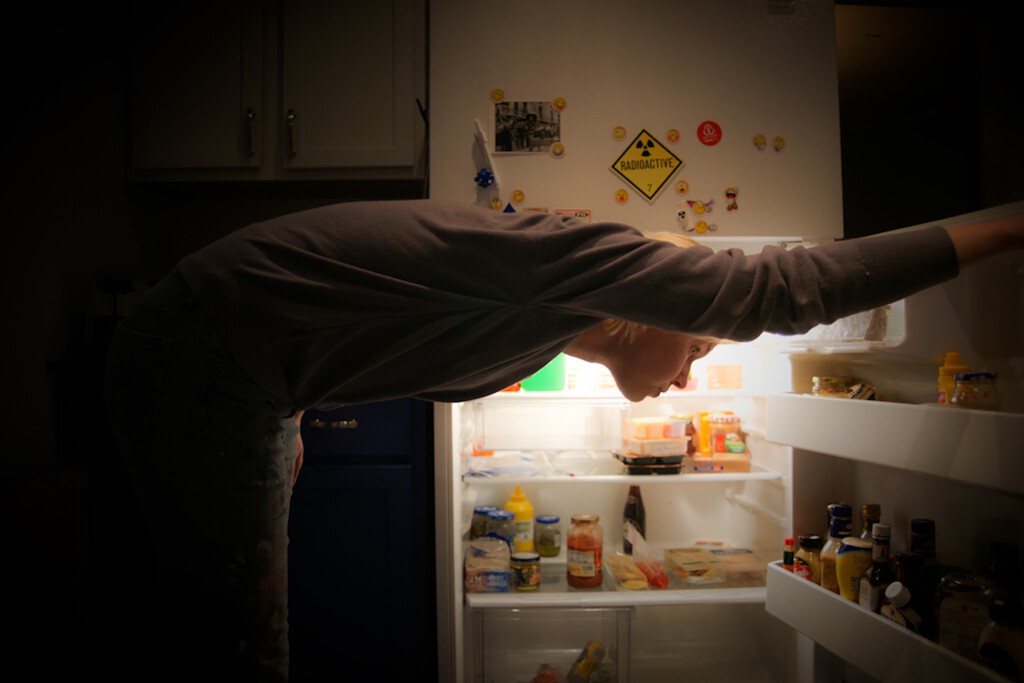
What Should Stay Out of the Fridge
Some foods are better off at room temperature, and chilling them can do more harm than good. Here are the key items experts say you should reconsider before refrigerating:
- Bread: Refrigeration dries it out and speeds up staling; store it in a breadbox or freeze it for longer keep.
- Tomatoes: Cold temperatures destroy their flavor and mealy texture; keep them on the counter.
- Olive oil: It solidifies in the cold and can lose its delicate flavor; store it in a cool, dark pantry.
- Ketchup: Many brands are shelf-stable even after opening; check the label before chilling.
- Red wine: While some reds benefit from slight chilling, long-term fridge storage can dull their aroma and taste.
- Honey: It crystallizes faster in the fridge and keeps perfectly fine at room temperature.
This doesn't mean you should leave everything out. Perishables like meat, dairy, and cut produce still need refrigeration. The key is to know the difference and not default to chilling everything.
The Red Wine Revolution
Perhaps the most striking cultural shift is the acceptance of chilled red wine. What was once considered a faux pas is now a trend, especially among younger generations who no longer adhere to the old 'room temperature' rule. Wine expert Tom Gilbey told the Guardian that serving red wine slightly chilled can be refreshing and is becoming more common.
However, this doesn't mean you should store your red wine in the fridge long-term. A brief chill before serving is fine, but prolonged cold can mute the wine's aromas and flavors. The fridge is for temporary chilling, not for storage.
The Mold Connection
Mold is a persistent problem in many refrigerators, and our storage habits are partly to blame. When we cram the fridge full of items 'just in case,' we reduce airflow and create pockets of humidity. Mold spores are everywhere, and given the right conditions—moisture, warmth, and organic material—they will grow.
Certain foods are more susceptible to mold in the fridge, including soft fruits, vegetables, and even some cheeses. If you notice mold on one item, it can quickly spread to others, especially in an overcrowded space. To prevent this, experts recommend regular cleaning, proper wrapping, and—most importantly—not overfilling the fridge. The background to this story is set out in Anydeli Plastic-Free Containers: The Perfect Food Storage Solution. A related thread runs through Whats emphasize mean: the texting habit most people get wrong. Earlier coverage in Reoccurring vs recurring: the one-letter habit most writers get wrong shows how the argument developed.
Here's a quick comparison of optimal storage conditions for common foods:
| Food Item | Best Storage | Fridge Safe? | Notes |
|---|---|---|---|
| Bread | Room temperature (breadbox) or freezer | No | Refrigeration accelerates staling |
| Tomatoes | Countertop, away from sunlight | No | Cold ruins flavor and texture |
| Olive Oil | Cool, dark pantry | No | Solidifies and loses flavor |
| Ketchup | Pantry before opening; fridge after (check label) | Sometimes | Many brands are shelf-stable |
| Red Wine | Cool, dark place; chill briefly before serving | Temporary only | Long-term cold dulls aroma |
| Honey | Room temperature | No | Crystallizes faster in cold |
How to Break the 'Just in Case' Habit
Breaking the habit of refrigerating everything 'just in case' requires a shift in mindset. Start by educating yourself on which foods truly benefit from refrigeration and which don't. Then, declutter your fridge: remove items that don't need to be there, and organize what's left to allow proper air circulation. A closer look at the same subject appears in Because the mobile case is worth the money. Anyone following the wider picture can start with AirPods without a case: a habit that costs money. The same theme surfaces in Portugal's Underground Rock Battery: Storing Renewable Energy, which takes a different angle.
Regular cleaning is also essential. Wipe down shelves and drawers weekly, and check for spoiled items. Mold can start growing in as little as 24-48 hours on some foods, so vigilance pays off. Finally, consider your shopping habits: buy only what you need, and store it correctly to extend shelf life. Context on how this played out before sits in Molten Salt Batteries: Storing Renewable Energy Without Lithium. A companion piece, Couch-to-5K for Books: How to Rebuild Your Reading Habit, approaches the same subject from another angle.
FAQ
Why does overfilling the fridge cause mold?
Overfilling restricts airflow, leading to moisture buildup and creating a humid environment where mold spores can thrive. Proper air circulation is key to keeping food fresh and mold-free.
Can I store red wine in the fridge?
You can chill red wine briefly before serving, but long-term storage in the fridge can dull its flavor and aroma. It's best kept in a cool, dark place.
What foods should never go in the fridge?
Bread, tomatoes, olive oil, honey, and many condiments like ketchup are better stored at room temperature. Always check labels for specific guidance.
How can I prevent mold in my fridge?
Keep the fridge clean and dry, avoid overcrowding, wrap foods properly, and remove spoiled items promptly. Regular maintenance is essential to prevent mold growth.
Browse the Shop
 Acacia frida deluxe solid wood bed frame |
Bedroom bench |
Bed chest drawers |
Lingerie dresser |
Frame base |
Mirror with jewelry storage |
30 Bathroom Vanity |
Memory foam queen mattress |
Mattresses for back pain |
Nightstand set of 2 |
Grand Goldman Shop |
Civil Lawyer
Deutschland Trikot WM 2026







