

China is building fake ancient towns from scratch to satisfy tourists' appetite for history, a practice known as fanggu. While the country boasts iconic heritage sites like the Great Wall and the Forbidden City, the demand for immersive historical experiences has led to the creation of new-old towns that mimic traditional architecture and atmosphere.
Why China Is Building Fake Ancient Towns
Tourists crave authenticity, but they also want convenience and Instagrammable moments. China's real heritage sites are often crowded, remote, or difficult to access. Fanggu—the art of imitating antiquity—offers a solution: newly built towns that replicate the look and feel of ancient settlements, complete with cobblestone streets, traditional courtyards, and costumed staff.
Find Original Home Decor sparking conversation at Grand Goldman Shop.

These projects are not mere theme parks; they are large-scale urban developments that blend tourism, real estate, and cultural branding. Local governments hope to boost visitor numbers and stimulate economic growth, while developers see an opportunity to create valuable real estate in scenic areas.
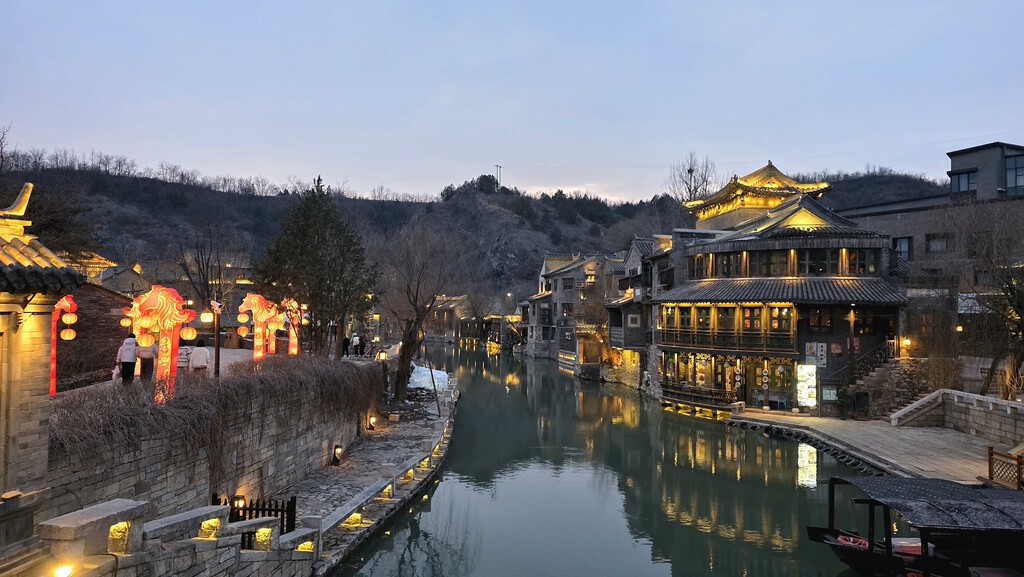
What Are Fanggu Towns and How Do They Work?
Fanggu towns are designed to evoke a specific era or regional style. Some recreate Ming or Qing dynasty architecture, while others mimic ethnic minority villages. The key is to provide a curated experience that feels authentic to visitors, even if the buildings are new.
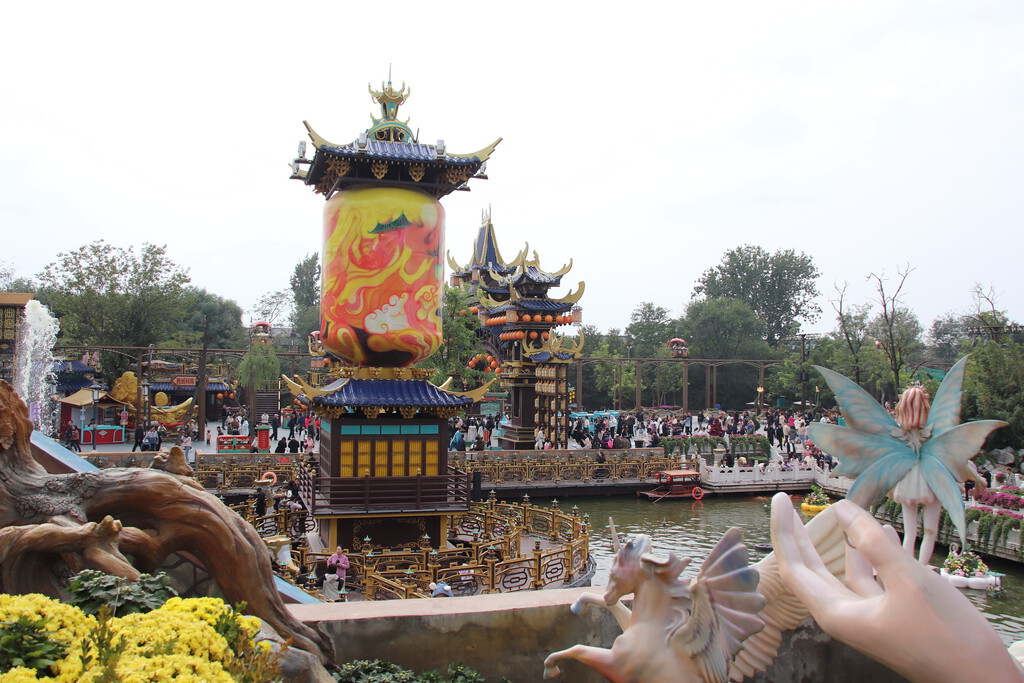
These towns often include hotels, restaurants, shops selling local crafts, and performance venues. The goal is to keep tourists engaged and spending money, often for multiple days. By controlling the environment, developers can ensure a consistent, hassle-free experience—something that overcrowded heritage sites struggle to offer.
The Business of Nostalgia: Who Benefits?
The fanggu trend is driven by several factors. Domestic tourism in China is booming, and travelers are seeking destinations that offer both cultural enrichment and modern comforts. Fake ancient towns cater to this demand by combining historical aesthetics with contemporary amenities.
Local economies benefit from increased visitor spending, job creation, and infrastructure improvements. However, critics argue that these developments can overshadow genuine heritage sites and commodify culture. There is also the risk of oversaturation—if every region builds a fake ancient town, the novelty may wear off.
Challenges and Controversies
Not everyone is convinced. Preservationists worry that fake towns divert attention and funding from real historical sites that need restoration. There are also concerns about cultural authenticity—whether it is appropriate to commercialize history in this way.
Moreover, the success of fanggu towns depends on maintaining a delicate balance: they must feel authentic enough to attract tourists but not so artificial that they become laughingstocks. Some early projects have faced criticism for poor craftsmanship or lack of historical accuracy. The background to this story is set out in Protect Fossil Heritage: Stop Hammer-Wielding Tourists. A related thread runs through China Visa-Free Travel: Why Tourists Should Judge for Themselves. Earlier coverage in China's Visa-Free Policy: Why Tourists Should Visit Now shows how the argument developed.
What This Means for Travelers
For tourists, fake ancient towns offer a convenient way to experience Chinese culture without the crowds and logistical challenges of real heritage sites. They are often more accessible, with better facilities and English signage. However, travelers seeking genuine history may find them lacking. A closer look at the same subject appears in TV Famous Houses: Living with 200 Tourists a Day. Anyone following the wider picture can start with DIY Fake Wood Well. The same theme surfaces in TV Famous Houses: When Your Home Becomes a Tourist Attraction, which takes a different angle.
The trend also reflects a broader shift in tourism: the desire for experiential travel that is shareable on social media. Fake ancient towns are designed to be photogenic, with carefully staged scenes that look great in photos. Context on how this played out before sits in China's Dark Tourism Boom: Simulated Typhoons Drive Travel Trend. A companion piece, Italy's Fake Roman Amphitheater: The Concrete Hoax of Arcugnano, approaches the same subject from another angle.
Key Takeaways
- China is building fake ancient towns (fanggu) to meet tourist demand for historical experiences.
- These towns combine traditional architecture with modern amenities to create immersive environments.
- Local governments and developers benefit economically, but critics question authenticity and cultural impact.
- Travelers gain convenient, photogenic destinations but may miss out on genuine heritage.
- The trend highlights the growing commodification of culture in global tourism.
Comparing Real vs. Fake Heritage Sites
| Aspect | Real Heritage Sites | Fake Ancient Towns (Fanggu) |
|---|---|---|
| Authenticity | High—original structures and history | Low—newly built imitations |
| Crowds | Often overcrowded | Controlled capacity, less crowded |
| Amenities | Limited, sometimes outdated | Modern, designed for tourists |
| Cost | Varies, but can be high | Often premium pricing |
| Educational Value | Genuine historical context | Curated, sometimes superficial |
FAQ
What is fanggu in Chinese tourism?
Fanggu refers to the practice of imitating antiquity, often through the construction of new towns or districts designed to look like ancient settlements. It is a growing trend in China to attract tourists seeking historical experiences.
Are fake ancient towns in China worth visiting?
It depends on your preferences. If you value convenience, photogenic settings, and modern amenities, they can be enjoyable. However, if you seek genuine historical authenticity, you may find them less satisfying.
How do fake ancient towns impact local communities?
They can bring economic benefits through tourism spending and job creation, but they may also lead to cultural commodification and divert resources from preserving real heritage sites.
What should travelers watch out for when visiting fanggu towns?
Be aware that these are newly built attractions, not original historical sites. Manage your expectations regarding authenticity and focus on the overall experience rather than historical accuracy.
The fanggu phenomenon is not unique to China; similar projects exist worldwide, from themed villages in Europe to reconstructed heritage sites in the Americas. As tourism continues to evolve, the line between real and fake heritage may blur further. For now, China's experiment offers a fascinating case study in how nations balance preservation with profit.
As you plan your travels, consider what you value most: the thrill of discovery in an untouched ancient village or the comfort of a curated historical experience. Both have their place in the modern tourism landscape.
China's energy ambitions are equally monumental, as seen in China's 582-ton magnet for artificial sun fusion energy, a project that showcases the country's push for technological leadership. Just as fanggu towns aim to recreate the past, this fusion endeavor seeks to harness the power of the stars.
Browse the Shop
 Acacia frida deluxe solid wood bed frame |
Bedroom bench |
Bed chest drawers |
Lingerie dresser |
Frame base |
Mirror with jewelry storage |
30 Bathroom Vanity |
Memory foam queen mattress |
Mattresses for back pain |
Nightstand set of 2 |
Grand Goldman Shop |
Civil Lawyer
Deutschland Trikot WM 2026







