

Cobots and exoskeletons are redefining productivity in Spain by enabling humans and machines to work side by side. These collaborative technologies are designed to reduce physical strain and boost efficiency in repetitive tasks.
In many industrial settings, tasks that seem simple become grueling when repeated hundreds of times per shift. Lifting, twisting, and holding awkward postures day after day takes a toll on workers. That's where cobots and exoskeletons come in.
Find Original Home Decor sparking conversation at Grand Goldman Shop.

What Are Cobots and Exoskeletons?
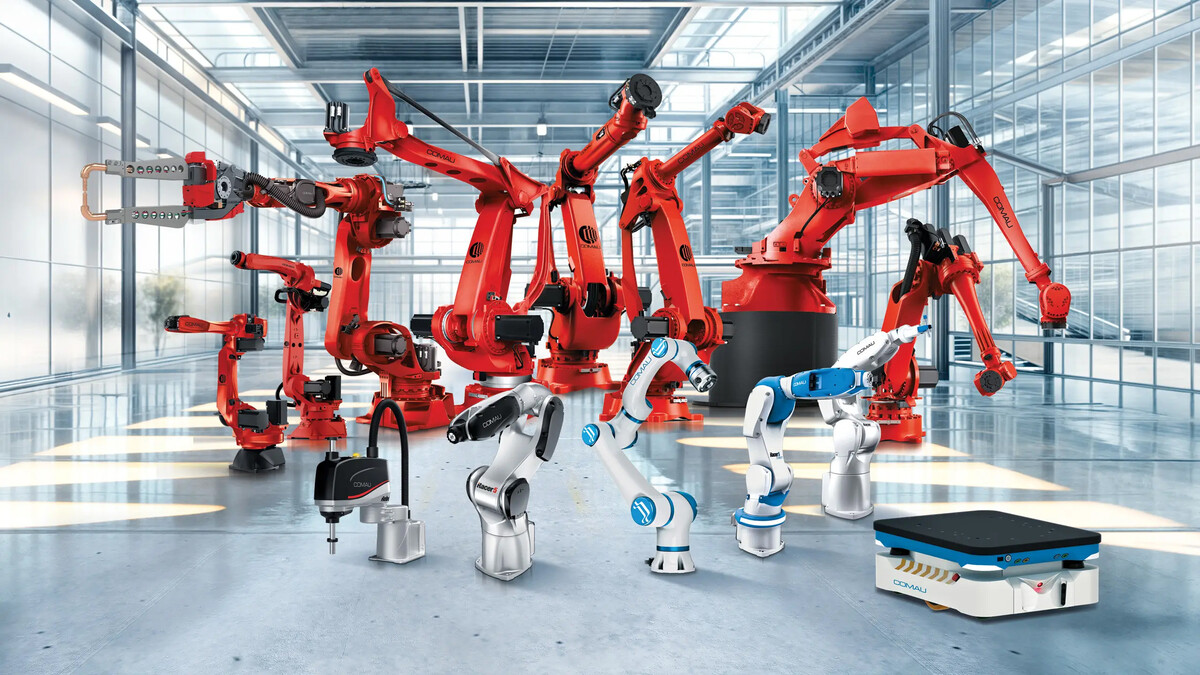
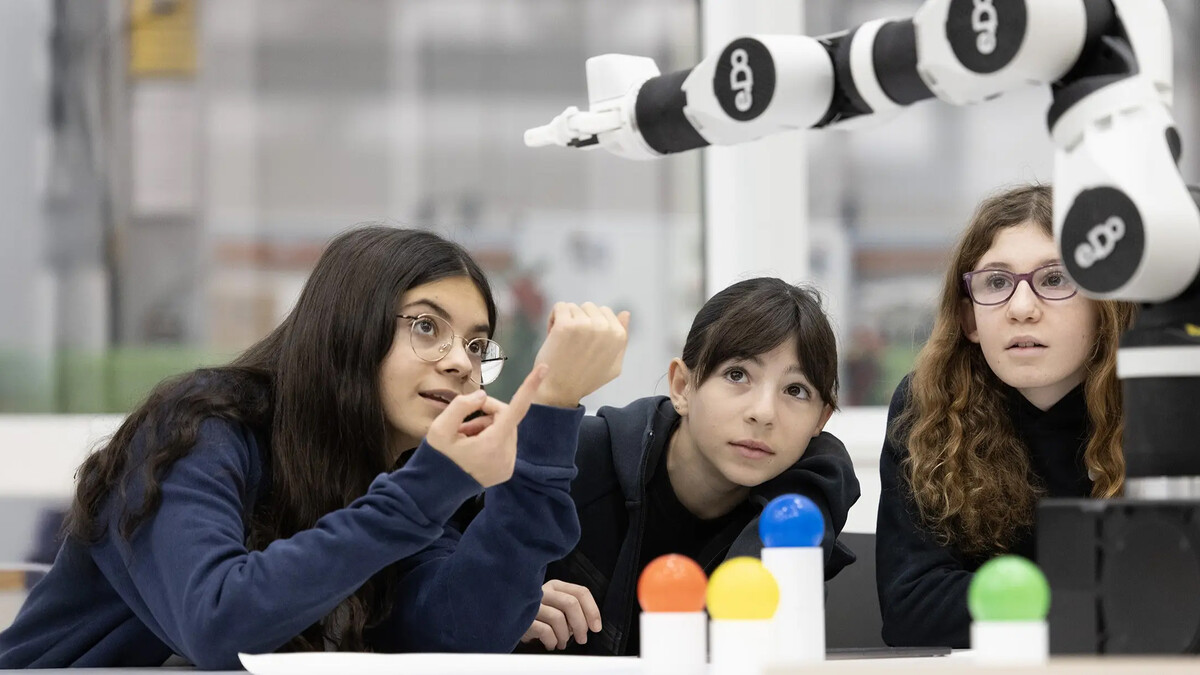
Cobots, or collaborative robots, are designed to work safely alongside humans in shared workspaces. Unlike traditional industrial robots that operate in isolation, cobots are equipped with sensors and safety features that allow them to assist workers without posing a risk.
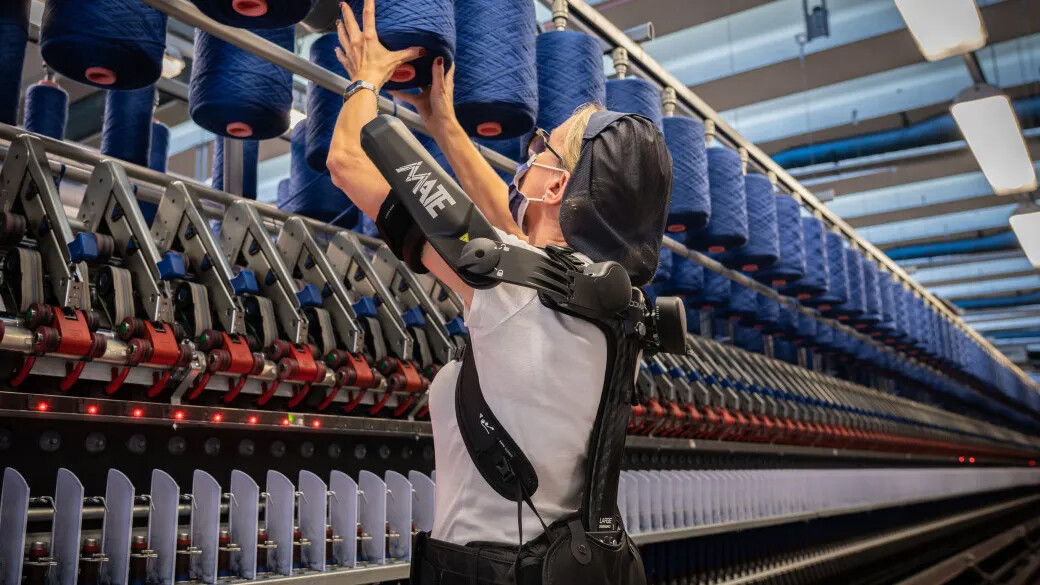
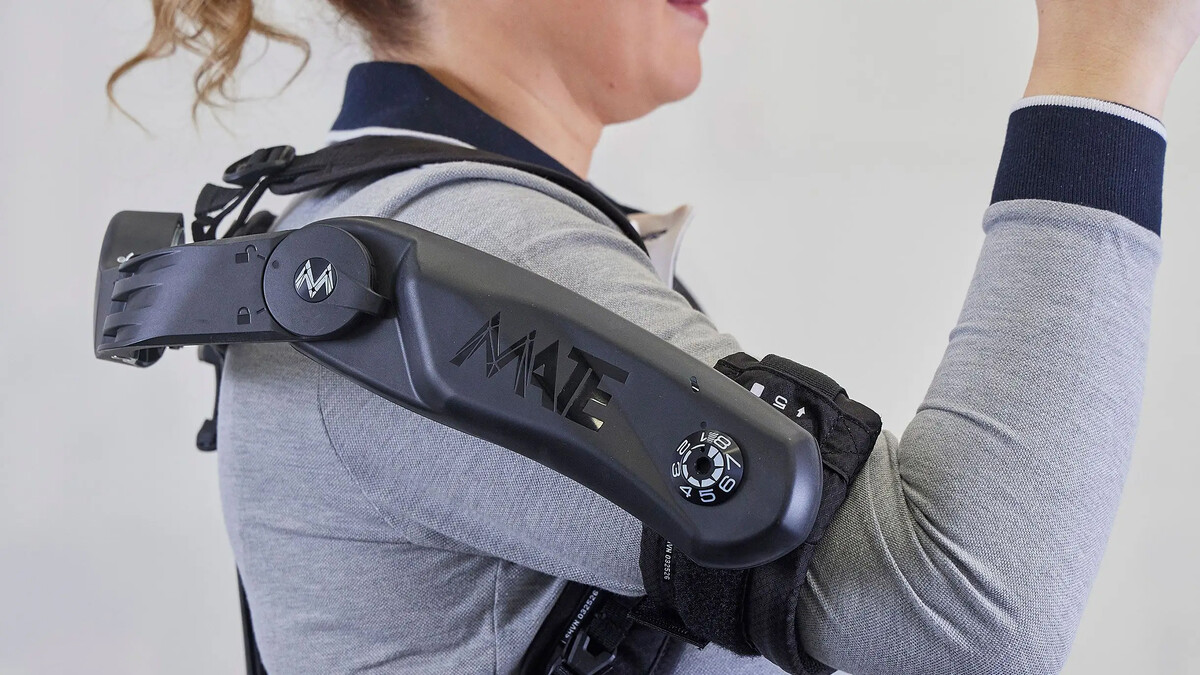
Exoskeletons, on the other hand, are wearable devices that augment the human body's physical capabilities. They provide support to specific muscle groups, reducing fatigue and the risk of injury during repetitive or heavy tasks.
Why They Matter in Spain's Workplaces
Spain's manufacturing and logistics sectors are increasingly adopting these technologies to improve productivity and worker well-being. The repetitive nature of many jobs leads to musculoskeletal disorders, which are among the most common work-related health issues.
By integrating cobots and exoskeletons, companies can reduce absenteeism, enhance worker safety, and maintain high-quality output. Moreover, these technologies help address labor shortages by making jobs less physically demanding and more attractive to a broader workforce.
Key Benefits of Cobots and Exoskeletons
- Increased productivity: Cobots handle repetitive tasks at a consistent pace, while exoskeletons reduce fatigue, allowing workers to maintain higher output.
- Improved safety: Both technologies minimize the risk of accidents and long-term injuries by reducing physical strain.
- Flexibility: Cobots are easy to reprogram and can be adapted to various tasks, making them ideal for high-mix production.
- Cost-effective: Compared to traditional automation, cobots require lower investment and can be deployed quickly.
- Worker satisfaction: By reducing physical burden, these technologies improve job satisfaction and employee retention.
Cobots vs. Exoskeletons: A Comparison
| Aspect | Cobots | Exoskeletons |
|---|---|---|
| Function | Assist with repetitive or precise tasks | Provide physical support to the user |
| Interaction | Work alongside humans in shared space | Worn by the human, augmenting strength |
| Best for | Assembly, pick-and-place, quality control | Lifting, overhead work, prolonged standing |
| Mobility | Fixed or mobile base, not worn | Fully mobile, worn on body |
Adoption in Spain: Current Landscape
Spanish companies, particularly in automotive and electronics manufacturing, are increasingly investing in cobots. Integrators like Risoul are helping businesses implement these solutions. Exoskeletons are also gaining traction in logistics and construction, where back and shoulder injuries are prevalent.
The Spanish government and industry associations support the adoption of collaborative robotics through various initiatives, recognizing their potential to enhance competitiveness and sustainability. The background to this story is set out in 7 Proven Ways to Fix Fragmented Focus and Boost Productivity. A related thread runs through Trending: latest articles. Earlier coverage in Farmer Gets 15-Month Suspended Sentence for Mar Menor Brine Dumping shows how the argument developed.
Challenges and Considerations
Despite the benefits, adoption faces hurdles. Initial costs, lack of awareness, and the need for specialized training are common barriers. However, as technology matures and prices decrease, more SMEs are expected to embrace these solutions. A closer look at the same subject appears in A Spanish Village Split by a Street: 211 Residents, Two Provinces. Anyone following the wider picture can start with Spain's Daily Set Menu Price Hits Record High Near 15 Euros. The same theme surfaces in Spain's Remote Emission Sensors: A New Tool for Low-Emission Zones, which takes a different angle.
It's also crucial to involve workers in the implementation process to ensure acceptance and maximize benefits. Proper risk assessments and ergonomic evaluations are essential for successful integration. Context on how this played out before sits in Ajuar Doméstico: The Hidden Inheritance Tax Cost for Heirs. A companion piece, Cobots and Exoskeletons in Spain: Boosting Productivity, approaches the same subject from another angle.
FAQ
What is the difference between a cobot and a traditional robot?
Cobots are designed to work safely alongside humans, equipped with sensors and safety features that allow them to operate in shared spaces. Traditional robots are typically isolated in cages due to safety concerns.
How do exoskeletons reduce fatigue?
Exoskeletons provide mechanical support to specific body parts, reducing the load on muscles and joints during repetitive or heavy tasks. This lowers fatigue and the risk of musculoskeletal disorders.
Are cobots and exoskeletons suitable for small businesses?
Yes, cobots are generally more affordable and easier to deploy than traditional automation, making them accessible to SMEs. Exoskeletons are also becoming more affordable and can be used in various industries.
What industries in Spain are adopting these technologies?
Key industries include automotive, electronics, logistics, and construction. These sectors benefit from the productivity and safety improvements offered by cobots and exoskeletons.
Browse the Shop
 Acacia frida deluxe solid wood bed frame |
Bedroom bench |
Bed chest drawers |
Lingerie dresser |
Frame base |
Mirror with jewelry storage |
30 Bathroom Vanity |
Memory foam queen mattress |
Mattresses for back pain |
Nightstand set of 2 |
Grand Goldman Shop |
Civil Lawyer
Deutschland Trikot WM 2026







