

The Chilean sea bass is a case study in how a simple name change can transform a species' fate. In 1977, an American fish merchant saw potential in an ugly, deep-sea fish and rebranded it, setting off a chain of events that nearly wiped out the species.
The fish, known scientifically as Dissostichus eleginoides or Patagonian toothfish, had long been ignored by commercial fisheries. Its menacing appearance—prominent jaw, sharp teeth, and a body that can exceed 90 kilograms—made it an unlikely candidate for culinary stardom.
Find Original Home Decor sparking conversation at Grand Goldman Shop.

The Fish Nobody Wanted
For centuries, the Patagonian toothfish swam in the cold, deep waters of the Southern Hemisphere, relatively untouched by commercial interests. Its looks certainly didn't help: a large head, sharp teeth, and a body that could weigh as much as a grown human.
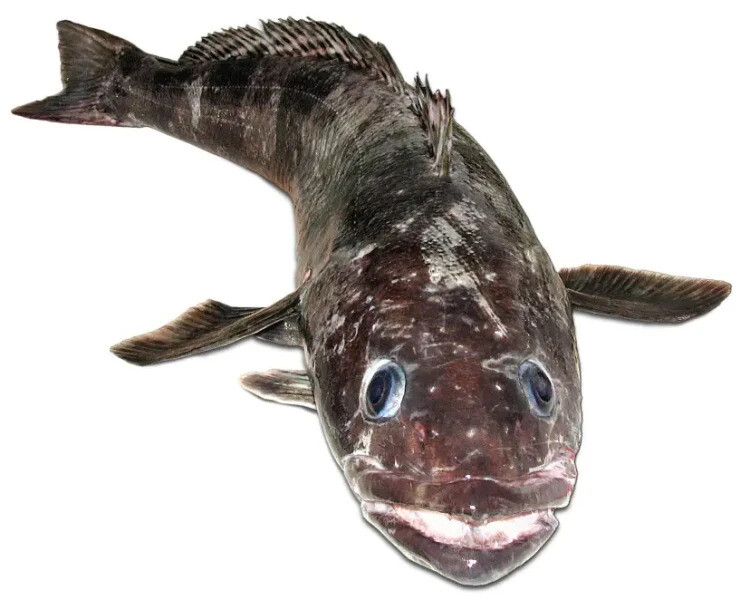
Some individuals can live for decades, and their slow sexual maturation makes them especially vulnerable to intensive fishing. For a long time, fishermen caught them accidentally while targeting other species.
But all that changed when a merchant named Lee Lantz encountered one of these fish in a Chilean port in 1977. He tasted it and discovered white, fatty meat with a buttery texture and a surprisingly mild flavor. He was convinced it had potential in the United States, but it needed a more appealing commercial name.
The 1977 Rename That Changed Everything
Lantz discarded names like Pacific sea bass and South American sea bass because they didn't sound attractive enough. He settled on Chilean sea bass, a name that evoked exoticism and familiarity at the same time. The rebranding was a stroke of marketing genius.
Almost immediately, the fish became a hit in upscale American restaurants. Its buttery flesh and mild taste made it a favorite among chefs and diners alike. The name Chilean sea bass sounded sophisticated and safe, unlike the unappetizing Patagonian toothfish.
The demand skyrocketed, and the fishing industry rushed to meet it. But the species' slow growth and late maturity meant that it couldn't reproduce fast enough to sustain the pressure. Populations began to plummet.
Why the Rebranding Mattered
The story of the Chilean sea bass illustrates the power of marketing in the seafood industry. A name can change perceptions, create demand, and even drive a species to the brink of collapse.
Here are key takeaways from this cautionary tale:
- Names matter: A rebranding can turn an unpopular fish into a delicacy, but it can also lead to overexploitation.
- Slow-growing species are vulnerable: The Patagonian toothfish's slow maturation made it easy to overfish.
- Demand can outstrip supply: Once the fish became popular, the industry couldn't keep up sustainably.
- Regulation is crucial: Without proper management, even a rebranded fish can face collapse.
- Consumer awareness helps: Today, certifications like MSC help ensure that Chilean sea bass is sourced sustainably.
The Aftermath: From Boom to Bust
By the 1990s, illegal, unreported, and unregulated fishing had pushed the Chilean sea bass to the edge. Conservationists warned that the species could collapse if nothing was done.
In response, international efforts were launched to regulate the fishery. The Commission for the Conservation of Antarctic Marine Living Resources (CCAMLR) implemented catch limits and monitoring systems. Today, the situation has improved, but the species remains vulnerable. The longer history behind the story is traced in How a 1977 Rename Made a Fish Famous and Nearly Wiped.
The Chilean sea bass is now a symbol of both the power and the peril of marketing. It shows how a simple name can change the world, for better or worse. The background to this story is set out in Invasive Catfish Wiped Out 76% of Fishing at Spain's Largest Reservoir. A related thread runs through Moscardón Bumblebee: Giant Patagonian Pollinator Faces Extinction. Earlier coverage in Nashville Airport Renamed to Honor Dolly Parton Legacy shows how the argument developed.
Lessons for the Seafood Industry
The tale of the Chilean sea bass offers valuable lessons for the seafood industry and consumers alike. It highlights the need for sustainable practices and responsible marketing. A closer look at the same subject appears in Trending: latest articles. Anyone following the wider picture can start with Mercadona Closes Fish Counters: Pre-Packaged Fish Takes Over Spain. The same theme surfaces in Spain's Fish Crisis: Why Seafood Is Thriving in Leisure, Not Homes, which takes a different angle.
Here's a comparison of the fish before and after the rename:
| Aspect | Before 1977 (Patagonian Toothfish) | After 1977 (Chilean Sea Bass) |
|---|---|---|
| Commercial Appeal | Low, considered bycatch | High, sought-after delicacy |
| Market Price | Low | High |
| Fishing Pressure | Minimal | Intense, leading to overfishing |
| Conservation Status | Not assessed | Vulnerable (IUCN) |
Today, consumers can make a difference by choosing certified sustainable seafood. Look for the MSC label when buying Chilean sea bass to ensure that your meal doesn't come at the expense of the species' survival. Context on how this played out before sits in Autumn Paradox: How Fall Became a Highly Profitable Marketing Cliché. A companion piece, Sea Bass in Green Sauce Recipe: Classic Spanish Fish, approaches the same subject from another angle.
FAQ
What is Chilean sea bass?
Chilean sea bass is the commercial name for the Patagonian toothfish (Dissostichus eleginoides), a deep-sea fish found in the Southern Hemisphere. It was renamed in 1977 to make it more appealing to consumers.
Why was the fish renamed?
An American fish merchant, Lee Lantz, renamed it to boost its marketability. The name "Chilean sea bass" sounded more attractive than "Patagonian toothfish" and helped turn it into a popular delicacy.
Is Chilean sea bass sustainable?
Chilean sea bass was heavily overfished after its rebranding, but today, sustainable options are available. Look for the MSC certification to ensure your fish comes from well-managed fisheries.
What can consumers do to help?
Consumers can choose certified sustainable seafood and avoid illegally caught fish. By making informed choices, they can support conservation efforts and help protect the species.
Browse the Shop
 Acacia frida deluxe solid wood bed frame |
Bedroom bench |
Bed chest drawers |
Lingerie dresser |
Frame base |
Mirror with jewelry storage |
30 Bathroom Vanity |
Memory foam queen mattress |
Mattresses for back pain |
Nightstand set of 2 |
Grand Goldman Shop |
Civil Lawyer
Deutschland Trikot WM 2026







