

Spain's fish crisis is deepening as per capita consumption has plummeted 32.5% in just one decade, according to ministry data. While the country boasts a rich culinary tradition and thousands of kilometers of coastline, Spaniards are buying and cooking less fish at home than ever before.
The numbers tell a stark story. In 2014, the average Spaniard consumed 26.4 kilos of fish per year. By the end of 2025, that figure had fallen to 17.8 kilos. Going back further, consumption neared 30 kilos in 2009, highlighting a long-term decline that shows no signs of reversing.
Find Original Home Decor sparking conversation at Grand Goldman Shop.

What's Behind the Decline in Fish Consumption?
Several factors are driving this trend. Cultural and educational changes have altered how Spaniards shop for and perceive fish. Many consumers now view fish as expensive and inconvenient compared to other proteins. The closure of thousands of traditional fishmongers has also made fresh fish less accessible.
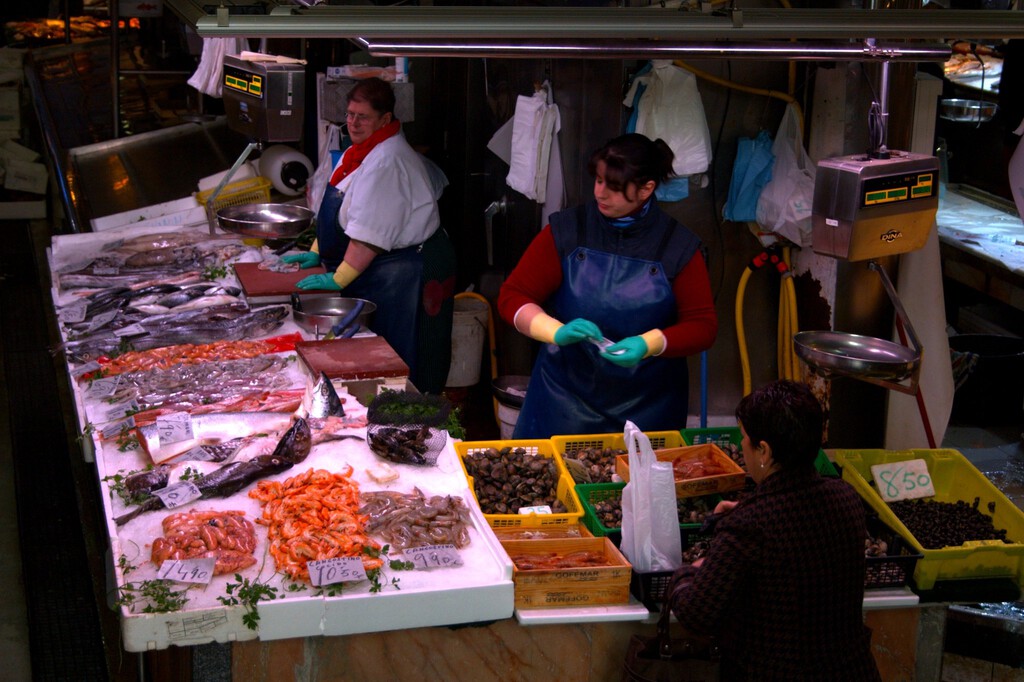
But there's another intriguing factor: fish is increasingly associated with leisure and dining out rather than home cooking. While families may not think to cook a sea bass for lunch, they eagerly enjoy sushi, sashimi, poké bowls, or ceviche at restaurants. This shift from kitchen staple to occasional treat is reshaping the entire seafood industry.
The Rise of Seafood as a Leisure Experience
This change in perception is significant. Fish is no longer just a nutritious everyday food; it's become part of a social and experiential lifestyle. Restaurants specializing in sushi and ceviche have proliferated, offering consumers a way to enjoy seafood without the hassle of preparation.
At the same time, the traditional fish market is struggling. Fishmongers, once a fixture in every neighborhood, are closing at an alarming rate. The convenience of buying fish has diminished, pushing more consumers toward dining out or choosing alternative proteins.
Key Takeaways from the Data
- Per capita fish consumption in Spain fell from 26.4 kg in 2014 to 17.8 kg in 2025, a 32.5% drop.
- In 2009, consumption was close to 30 kg per person, showing a longer-term decline.
- Thousands of fishmongers have closed, reducing access to fresh fish.
- Consumers increasingly associate fish with leisure dining (sushi, poké, ceviche) rather than home cooking.
- Cultural shifts and cost perceptions are major drivers of the trend.
Comparing Fish Consumption Over Time
The following table illustrates the dramatic decline in per capita fish consumption in Spain over recent years.
| Year | Per Capita Consumption (kg) | Change from Previous Period |
|---|---|---|
| 2009 | ~30 | — |
| 2014 | 26.4 | — |
| 2025 | 17.8 | -32.5% vs. 2014 |
Who Is Affected by the Fish Crisis?
The decline impacts multiple stakeholders. Fishermen and ports that rely on domestic demand face shrinking markets. Fishmongers and small retailers struggle to stay afloat. Even the restaurant sector, while benefiting from the leisure trend, must adapt to changing consumer preferences.
Consumers themselves are affected by reduced access to fresh fish and potentially higher prices as the industry contracts. The cultural loss is also significant, as fish has been a cornerstone of Spanish gastronomy for centuries. The background to this story is set out in Galicia's Seafood Crisis: 52% Drop in Shellfish Catch Over Decade. A related thread runs through Spain's Bar Map: Which Province Has the Most Bars Per Capita.
What to Watch Next
Looking ahead, the fish industry must find ways to reconnect with home cooks. Innovations in packaging, preparation, and education could help. Meanwhile, the leisure segment will likely continue to grow, with seafood experiences becoming more diverse and accessible. Earlier coverage in Galicia Seafood Crisis: Why Summer 2025 Is a Challenge shows how the argument developed. A closer look at the same subject appears in Trending: latest articles.
Policy makers and industry leaders will need to address the root causes of the decline, from cost perceptions to convenience. Whether Spain can reverse this trend remains to be seen, but the stakes are high for its culinary heritage and coastal economies. Anyone following the wider picture can start with Spain's Fresh Fish Shift: Tray Packs Cost More, OCU Finds. The same theme surfaces in Spain's Rental Crisis: Record Overcrowding Hits Tenants Hard, which takes a different angle.
FAQ
Why is fish consumption declining in Spain?
Fish consumption is declining due to cultural and educational changes, the perception of fish as expensive, and the closure of fishmongers. Additionally, fish is increasingly associated with leisure dining rather than home cooking.
How much has fish consumption dropped in Spain?
Per capita consumption fell from 26.4 kg in 2014 to 17.8 kg in 2025, a 32.5% decrease. In 2009, it was close to 30 kg, indicating a longer-term downward trend.
What role does leisure play in fish consumption?
Spaniards are more likely to enjoy fish when dining out, especially in the form of sushi, sashimi, poké, or ceviche. This shift has turned fish into an occasional treat rather than an everyday home-cooked meal.
How does this affect the fishing industry?
The decline in domestic demand affects fishermen, ports, and fishmongers. The industry must adapt by finding new ways to appeal to home cooks or by focusing on the growing leisure segment.
Browse the Shop
 Acacia frida deluxe solid wood bed frame |
Bedroom bench |
Bed chest drawers |
Lingerie dresser |
Frame base |
Mirror with jewelry storage |
30 Bathroom Vanity |
Memory foam queen mattress |
Mattresses for back pain |
Nightstand set of 2 |
Grand Goldman Shop |
Civil Lawyer
Deutschland Trikot WM 2026







