

In Japan, a growing number of bargain hunters are deliberately seeking out jiko bukken—properties stigmatized by past tragedies such as suicides, murders, or other unfortunate events. These haunted houses, as they are often called, offer significant discounts, sometimes up to 50% off market value, attracting buyers and renters willing to overlook supernatural fears for financial gain.
The trend has gained media attention, with stories of individuals like Ryua, a young idol who rents a 25-square-meter apartment in Tokyo's upscale Setagaya neighborhood for 45,000 yen instead of the market rate of 62,000 yen. Similarly, Diane Tincher, an American guide living in Kagoshima, bought her house for less than half its normal price of 45 million yen. Both women cite the properties' haunted reputations as the reason for the steep discounts.
Find Original Home Decor sparking conversation at Grand Goldman Shop.

What Are Jiko Bukken and Why Are They Discounted?
Jiko bukken literally translates to "incident properties" and refers to real estate where a death or crime has occurred. In Japan, cultural beliefs around death and purity make such properties undesirable, leading to reduced demand and lower prices. Real estate agents are legally required to disclose any known stigmatizing events to prospective buyers or renters, which further limits the pool of interested parties.
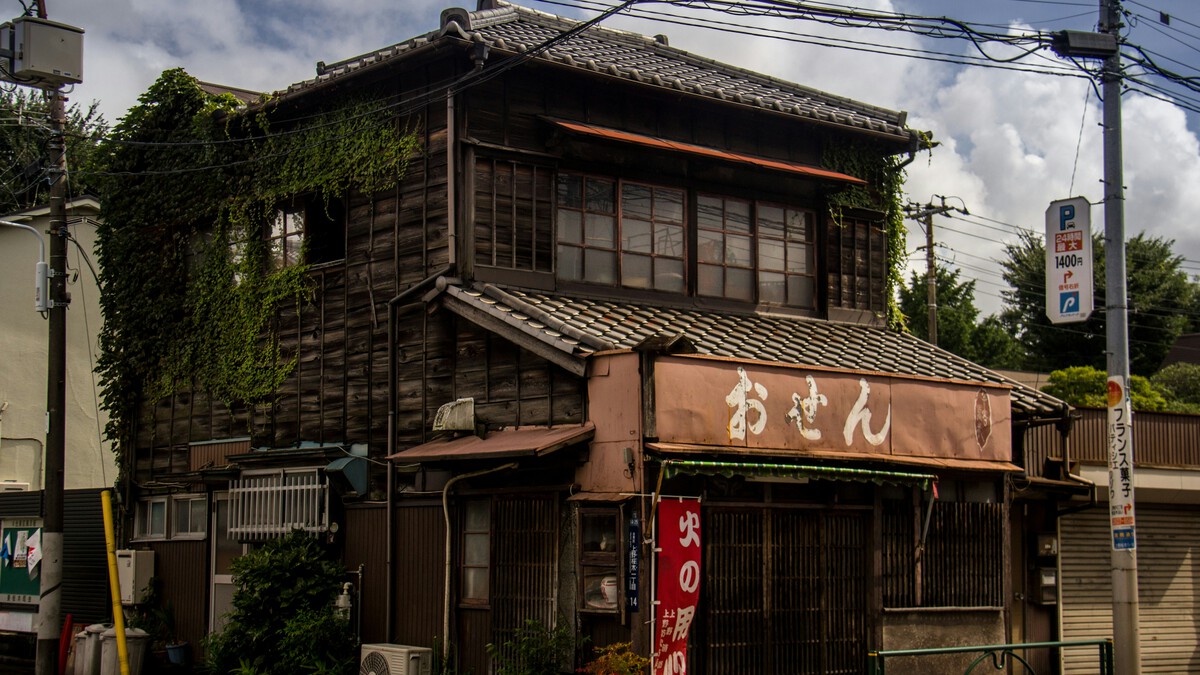
The discount varies depending on the severity and recency of the incident. For example, a property where a solitary death occurred might see a 20% reduction, while a murder or suicide could result in a 50% or more discount. This creates opportunities for savvy investors and budget-conscious individuals.
The Rise of Haunted House Bargain Hunters
Ryua's story is illustrative. Four years ago, when she viewed the studio, she was told about its tragic history: a man had committed suicide inside. Despite this, she decided to rent it, saying she saw a ghost—a man staring at her—on her first visit. Whether or not the paranormal activity is real, the financial benefit was undeniable. She even joked about becoming friends with the ghost.
Diane Tincher's experience is similar. She purchased her Kagoshima home for less than half its market value due to its haunted reputation. For her, the savings outweighed any concerns about the supernatural. These stories are not isolated; they reflect a growing niche market where buyers and renters prioritize affordability over stigma.
Risks and Rewards of Buying a Haunted House
While the financial incentives are clear, there are risks to consider. Beyond the supernatural aspect, stigmatized properties can be difficult to resell or rent out, potentially limiting future flexibility. Additionally, some buyers may face social stigma or discomfort from friends and family. However, for those who are open-minded or skeptical, the rewards can be substantial.
- Significant savings: Discounts can range from 20% to 50% or more, making homeownership accessible in expensive areas.
- Investment potential: If the stigma fades over time, property values may appreciate.
- Unique character: Older haunted houses often have architectural charm not found in new builds.
- Legal disclosure: Sellers must disclose incidents, so buyers know what they're getting into.
- Rental demand: Some tenants are attracted by lower rents and don't mind the history.
How to Find and Evaluate Jiko Bukken
Finding haunted houses for sale or rent in Japan requires some effort. Specialized real estate websites and agencies now list jiko bukken properties, often with details about the incident. It's essential to verify the information and consider the property's location, condition, and potential for resale. Consulting with a real estate professional experienced in stigmatized properties can help navigate the process.
Prospective buyers should also assess their own comfort level with the supernatural and be prepared for potential social reactions. For investors, it's crucial to evaluate the property's fundamentals—location, structure, and market trends—rather than focusing solely on the discount. The background to this story is set out in Best-Value Transfer Deals of Summer Window: Top 10 Bargains. A related thread runs through Trending: latest articles. Earlier coverage in Second Homes Crisis: Empty Cities Where Locals Can't Find Housing shows how the argument developed.
The Future of Japan's Haunted Real Estate Market
As housing costs in Japan's cities remain high, the demand for affordable options like jiko bukken is likely to grow. The trend has already sparked media interest and could lead to greater acceptance of stigmatized properties. Some experts predict that as more people share their positive experiences, the stigma may diminish, potentially reducing discounts over time. A closer look at the same subject appears in Navarra's New Housing Model: Neither Buying Nor Renting. Anyone following the wider picture can start with Spain Housing Prices: Why Labor Shortage Keeps Costs High. The same theme surfaces in Poltergeist House Owner: Living in the Iconic 80s Horror Home, which takes a different angle.
However, cultural attitudes toward death are deeply rooted, and change may be slow. For now, haunted houses remain a viable option for bargain hunters willing to embrace the unconventional. Whether you're a believer in ghosts or a pragmatic investor, the phenomenon offers a fascinating glimpse into the intersection of culture, real estate, and finance. Context on how this played out before sits in Amancio Ortega Buys Paris Office Building for Record €800 Million. A companion piece, Japan's Haunted Houses: The Ultimate Bargain Hunter Obsession, approaches the same subject from another angle.
FAQ
What does jiko bukken mean?
Jiko bukken is a Japanese term for real estate properties where a death, crime, or other tragic event has occurred. These properties are considered stigmatized and are often sold or rented at a discount.
Are jiko bukken always haunted?
Not necessarily. While some people report paranormal activity, the term refers to the property's history rather than confirmed hauntings. The stigma itself is enough to lower the price.
How much discount can I expect on a haunted house in Japan?
Discounts vary widely, from around 20% for minor incidents to over 50% for more severe cases like murders or suicides. The reduction depends on the nature and recency of the event.
Is it legal to sell a haunted house without disclosure in Japan?
No, real estate agents are legally required to disclose any known stigmatizing events to prospective buyers or renters. Failure to do so can lead to legal consequences.
Browse the Shop
 Acacia frida deluxe solid wood bed frame |
Bedroom bench |
Bed chest drawers |
Lingerie dresser |
Frame base |
Mirror with jewelry storage |
30 Bathroom Vanity |
Memory foam queen mattress |
Mattresses for back pain |
Nightstand set of 2 |
Grand Goldman Shop |
Civil Lawyer
Deutschland Trikot WM 2026







