

In 1970, during the Expo '70 in Osaka, millions of people lined up to enter pavilions where Japan showcased its vision for the 21st century: home videophones, automated cities, robot assistants, and modular homes capable of changing over time. The event was so impactful that many visitors left convinced the future would arrive much sooner than expected. That optimism materialized in Tokyo two years later with the Nakagin Capsule Tower, a building that seemed to have landed from the future.
Designed by architect Kisho Kurokawa, the Nakagin Capsule Tower was a bold experiment in modular architecture. Completed in 1972 in the heart of Tokyo's Ginza district, it consisted of two concrete towers covered by 140 metallic capsules with circular windows, resembling a stack of futuristic washing machines or a cluster of space modules suspended above the city. Each capsule was a small living unit, and Kurokawa envisioned them as replaceable homes that could be detached and swapped out every 25 years, like a living organism renewing its cells.
Find Original Home Decor sparking conversation at Grand Goldman Shop.

This idea perfectly captured Japan's postwar optimism: mutable cities, living architecture, and a future where houses would function more like interchangeable parts than permanent buildings. Half a century later, Japan discovered something far more uncomfortable: no one really knew how to repair that vision of the future.
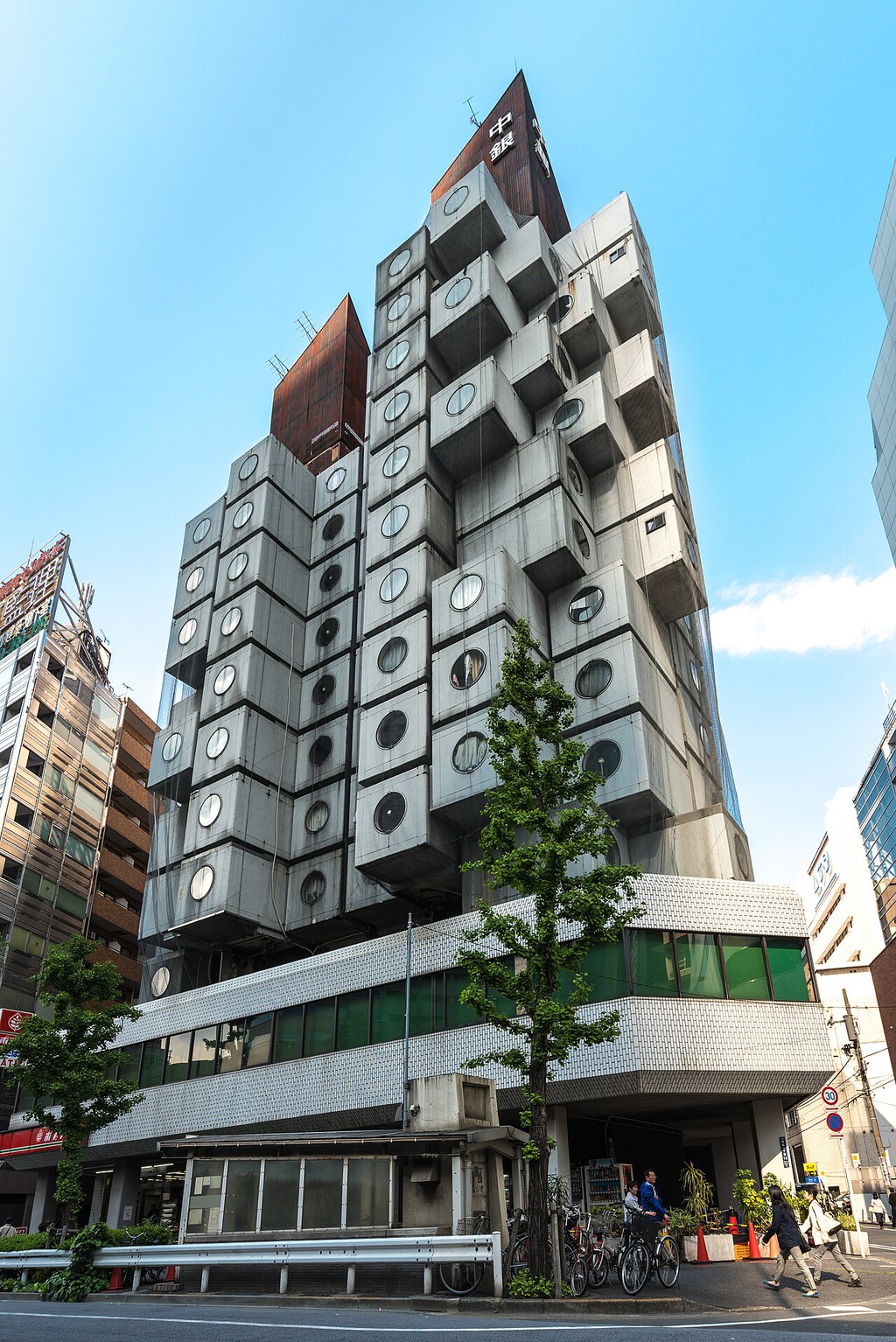
The Metabolist Dream Behind the Nakagin Capsule Tower
The Nakagin Capsule Tower was born within the Metabolist movement, an avant-garde architectural current that emerged in Japan in the 1960s. Metabolists believed that buildings should be designed for change and growth, much like biological organisms. They proposed cities that could expand and adapt over time, with structures that were not static but dynamic.
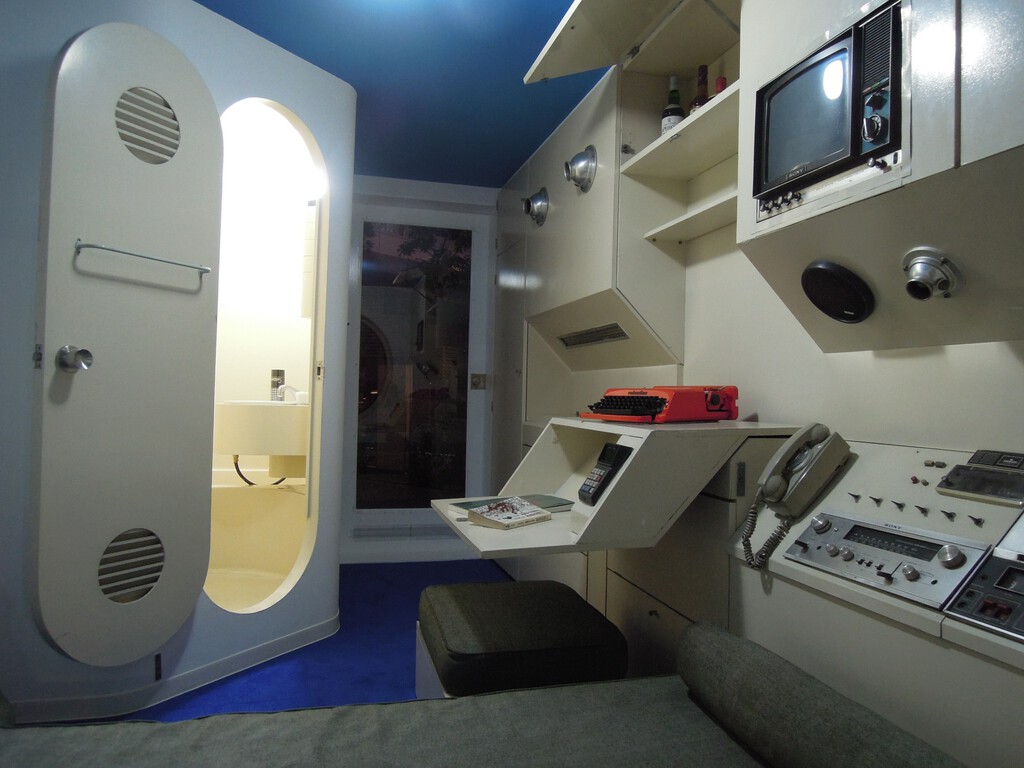
Kurokawa was one of the movement's leading figures, and the Nakagin Capsule Tower was one of the few built examples of Metabolist ideals. The capsules were prefabricated in a factory and then attached to the concrete cores with just four high-tension bolts each. This meant that, in theory, a capsule could be removed and replaced with a new one in a matter of hours. The design was meant to allow for constant renewal, keeping the building perpetually up-to-date.
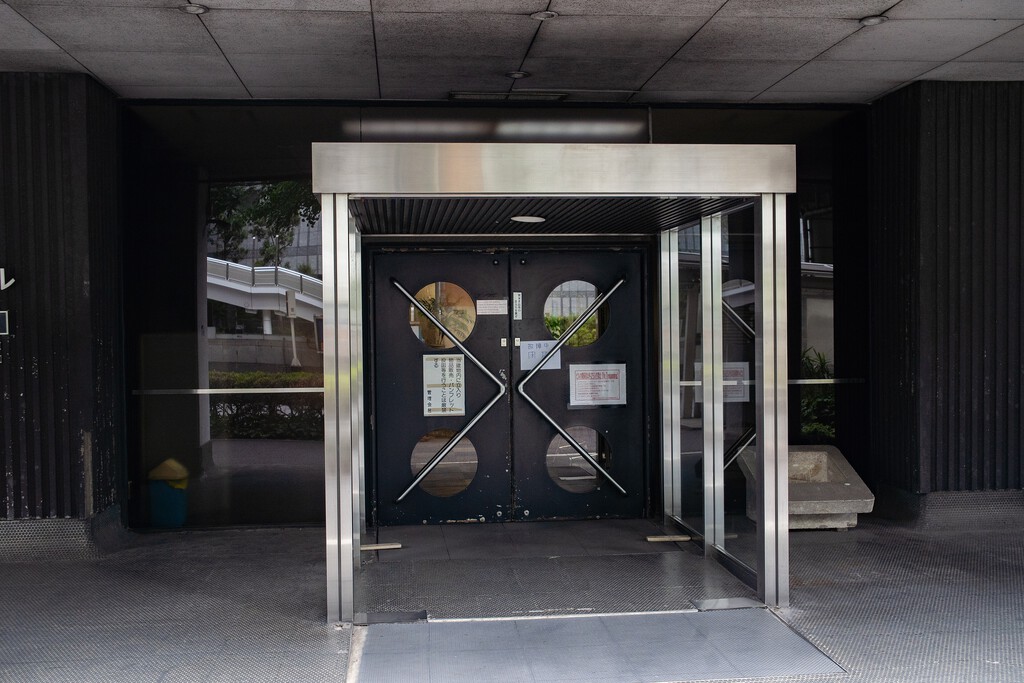
But the dream of replaceable capsules never became a reality. The building was constructed with a level of custom craftsmanship that made mass replacement impractical. Each capsule was slightly different, and the connections were not standardized enough for easy swapping. Moreover, the building's maintenance requirements were soon forgotten as Japan's economic bubble burst and architectural tastes shifted.
Why the Nakagin Capsule Tower Became a Relic
As the decades passed, the Nakagin Capsule Tower fell into disrepair. The capsules, originally intended to be replaced every quarter-century, were never updated. Water leaks, outdated plumbing, and asbestos contamination plagued the structure. The building's unique design made renovations extremely difficult and costly. The capsules were too small for modern living standards, and the building's structural integrity raised concerns among engineers.
Efforts to preserve the tower faced numerous obstacles. Some residents and preservationists campaigned to save it, proposing to replace the capsules with modern equivalents. However, the estimated costs were astronomical, and the building's ownership was fragmented among individual capsule owners, making collective decisions nearly impossible. The lack of a clear maintenance protocol—something the original design had not adequately addressed—sealed its fate.
In 2022, the Nakagin Capsule Tower was demolished, despite protests from architecture enthusiasts worldwide. The capsules were removed and some were donated to museums, but the building itself was lost. Its demise sparked a global conversation about the challenges of maintaining utopian architectural visions.
Key Takeaways from the Nakagin Capsule Tower
- Modular design requires standardized maintenance: The capsules were meant to be replaceable, but the lack of a practical replacement system doomed the building.
- Economic and social factors matter: Japan's economic downturn and shifting priorities made the tower's upkeep a low priority.
- Ownership fragmentation hinders preservation: With many individual capsule owners, decisions about the building's future were difficult to make.
- Architectural icons need long-term plans: Without a clear strategy for upkeep and adaptation, even the most visionary buildings can become obsolete.
- Metabolism's legacy lives on: The Nakagin Capsule Tower remains an influential symbol of Japanese innovation, even in demolition.
The Legacy of the Nakagin Capsule Tower
Despite its demolition, the Nakagin Capsule Tower left an indelible mark on architecture. It inspired generations of architects to explore modular and adaptable designs. The Metabolist movement, though short-lived, influenced urban planning and sustainable architecture worldwide. Today, the tower is remembered as a cautionary tale about the gap between visionary ideas and practical reality. Context on how this played out before sits in Agustín de Betancourt: The Exiled Engineer Who Shaped Modern St. Petersburg.
Some capsules were preserved and put on display, allowing future generations to appreciate Kurokawa's vision. The building's story also highlights the importance of designing for maintenance and adaptability, not just for the initial wow factor. As cities face growing challenges of sustainability and housing, the lessons from Nakagin are more relevant than ever. The background to this story is set out in Trending: latest articles. A related thread runs through Italy's Corviale: The Kilometer-Long Building That Failed.
What the Nakagin Capsule Tower Teaches Us About Sustainable Design
The Nakagin Capsule Tower's failure to thrive was not due to a lack of imagination but to a lack of practical planning. Sustainable design today emphasizes not only innovative construction but also long-term maintenance and flexibility. The tower's story reminds us that even the most futuristic concepts must account for the mundane realities of repair, ownership, and economics. Earlier coverage in Sułoszowa: The 700-Year-Old Polish Village on One 9-Kilometer Street shows how the argument developed. A closer look at the same subject appears in Europe's Population Map Reveals Extreme Urban-Rural Divide.
Modern modular buildings often learn from Nakagin's mistakes by using standardized connections and centralized management. However, the tension between architectural ambition and practical upkeep remains. The Nakagin Capsule Tower stands as a powerful symbol of what happens when a dream outpaces its support system. Anyone following the wider picture can start with Logroño Deploys Ladybugs and Predatory Bugs to Replace Pesticides. The same theme surfaces in Shared Electric Scooters in Spain: Rise and Fall of a Mobility Trend, which takes a different angle.
FAQ
What was the Nakagin Capsule Tower?
The Nakagin Capsule Tower was a mixed-use residential and office building in Tokyo, Japan, designed by Kisho Kurokawa and completed in 1972. It consisted of two concrete towers with 140 prefabricated capsules attached, each serving as a small living or working space. It was a landmark of the Metabolist architectural movement.
Why was the Nakagin Capsule Tower demolished?
The tower was demolished in 2022 due to severe disrepair, outdated facilities, and the impracticality of renovating the capsules. The building had suffered from water leaks, asbestos, and structural issues, and the fragmented ownership made collective action difficult.
What is the Metabolist movement?
Metabolism was a post-war Japanese architectural movement that envisioned cities and buildings as dynamic, evolving organisms. Metabolists advocated for structures that could grow and change over time, often using modular components. The Nakagin Capsule Tower was one of its few built manifestations.
Are any capsules from the Nakagin Capsule Tower preserved?
Yes, several capsules were preserved after the demolition. Some were donated to museums, including the Museum of Modern Art in New York and the National Museum of Modern Art in Tokyo, while others were repurposed for exhibitions or installations.
Browse the Shop
 Acacia frida deluxe solid wood bed frame |
Bedroom bench |
Bed chest drawers |
Lingerie dresser |
Frame base |
Mirror with jewelry storage |
30 Bathroom Vanity |
Memory foam queen mattress |
Mattresses for back pain |
Nightstand set of 2 |
Grand Goldman Shop |
Civil Lawyer
Deutschland Trikot WM 2026







