

When building a desktop PC, choosing between liquid cooling and an air cooler for your CPU is a critical decision. Both have strengths and weaknesses, and the best choice depends on your specific needs. This guide breaks down the key factors to help you decide.
How Air Coolers Work
Air coolers are the traditional solution for CPU cooling. They consist of a base (often copper or aluminum) that contacts the CPU, heat pipes that transfer heat to a stack of fins, and a fan that blows air through the fins. Thermal paste is used between the CPU and the cooler base to improve heat transfer.
Find Original Home Decor sparking conversation at Grand Goldman Shop.

Air coolers are simple, reliable, and often more affordable than liquid cooling systems. However, they can be bulky and may require significant space inside your PC case. High-end air coolers can be very large, potentially blocking RAM slots or interfering with other components.
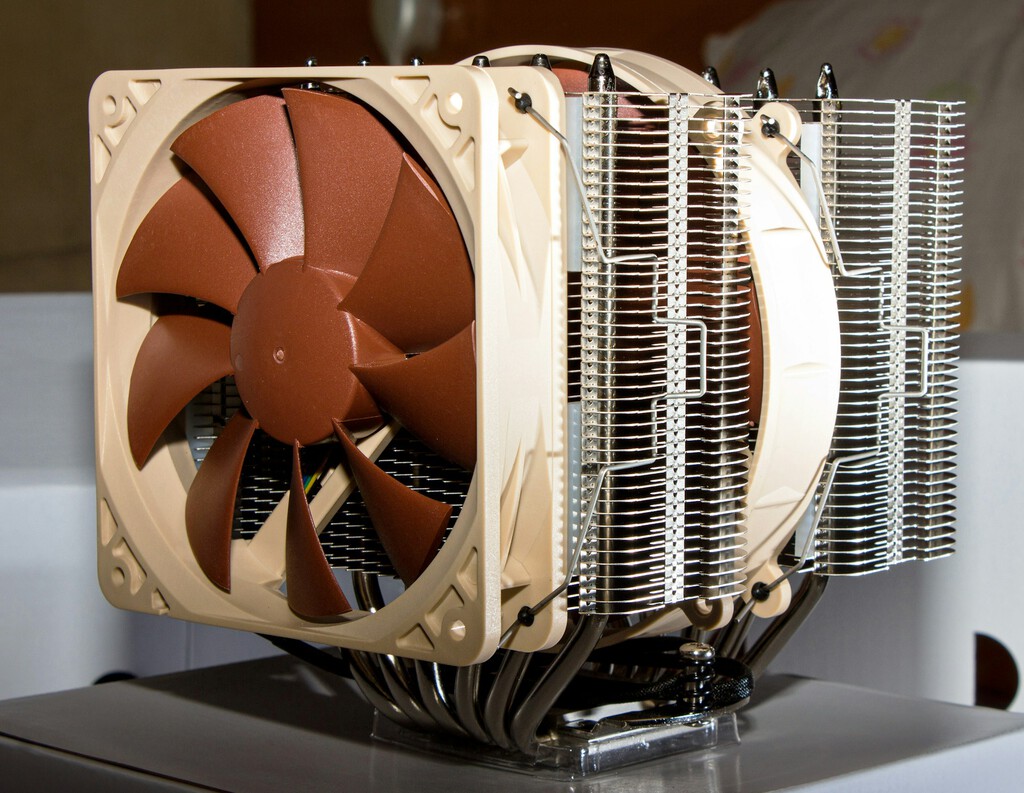
Pros and Cons of Air Coolers
- Pros: Lower cost, easy installation, no risk of leaks, long lifespan, quiet operation at low loads.
- Cons: Bulky size, can obstruct other components, cooling performance limited by size and fan quality.
How Liquid Cooling Works
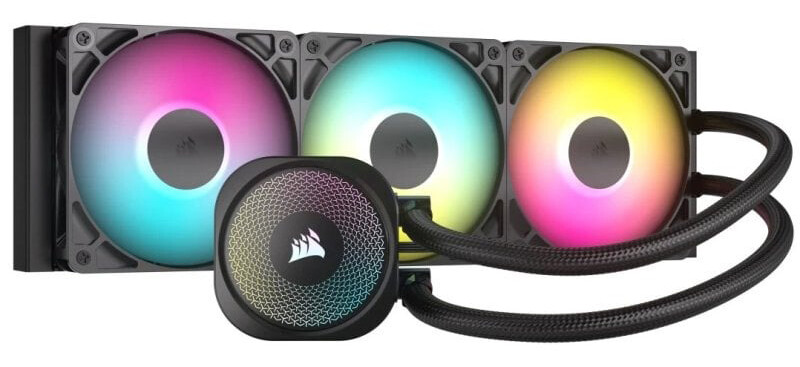
Liquid cooling systems (often called all-in-one or AIO coolers) use a pump to circulate liquid through a water block attached to the CPU, then to a radiator where fans dissipate the heat. This method can be more efficient at transferring heat away from the CPU, especially in high-performance systems.
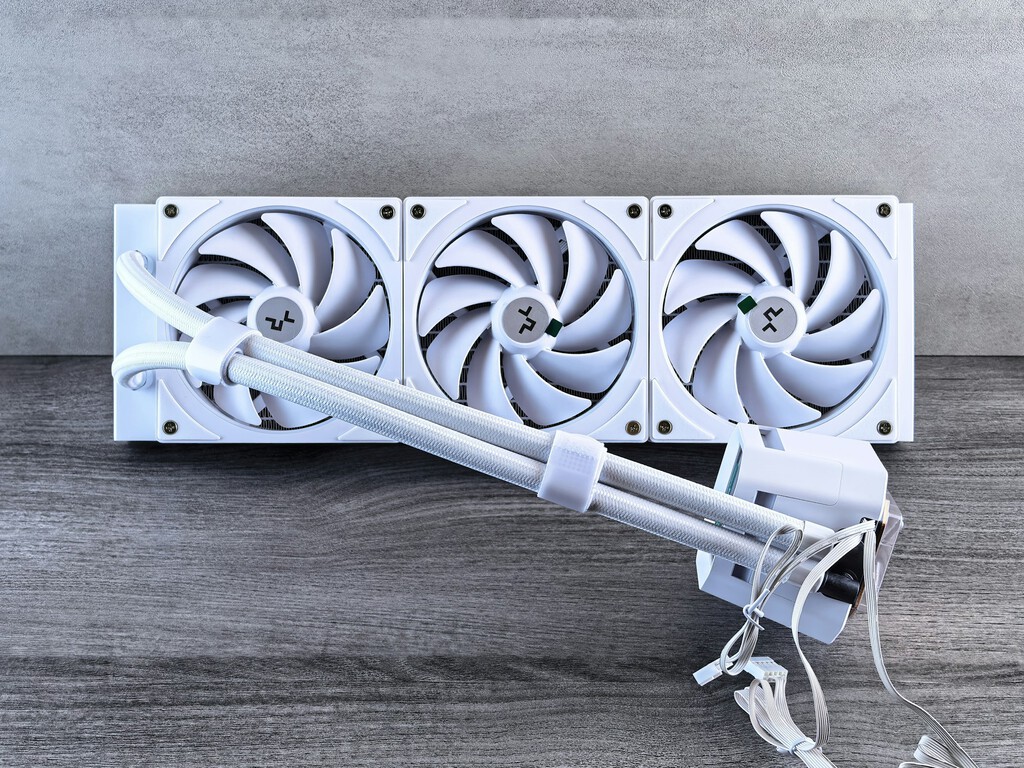
Liquid cooling allows for more flexibility in case layout since the radiator can be mounted in various locations. It also often provides better cooling performance for overclocked or high-TDP processors. However, it comes with higher cost, potential risk of leaks, and more complex installation. The background to this story is set out in Best CPU Liquid Cooling for Hot Weather: Corsair Nautilus 360 RS Review. A related thread runs through Aldi's Portable LED Air Cooler: 33% Off This Desk-Sized Cooling Solution. Earlier coverage in Best Evaporative Air Coolers: Buying Guide and Top Models from 75 Euros shows how the argument developed.
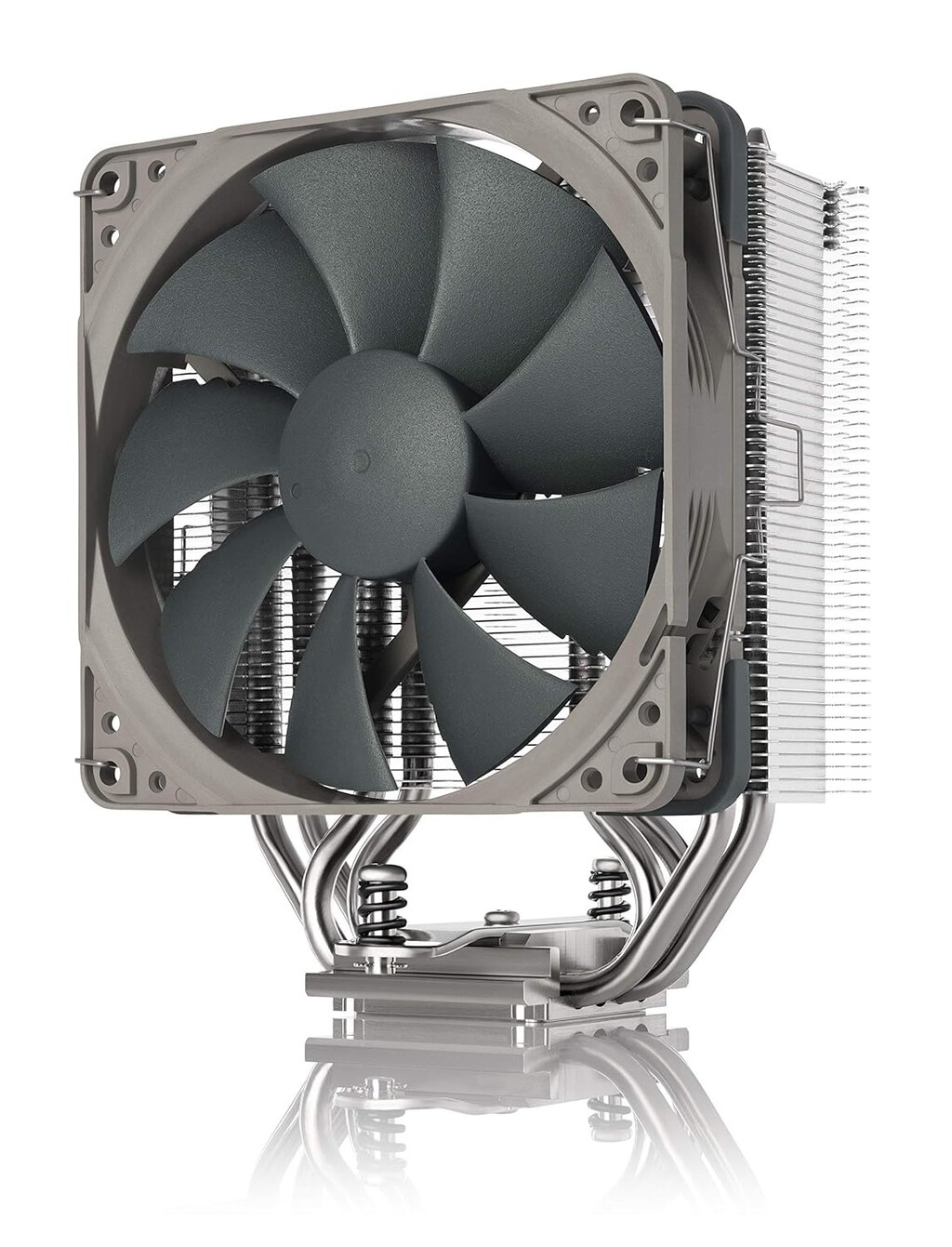
Pros and Cons of Liquid Cooling
- Pros: Superior cooling performance, quieter under load, flexible radiator placement, aesthetically pleasing.
- Cons: Higher cost, risk of leaks (though rare), pump noise, limited lifespan compared to air coolers.
Key Factors to Consider
When deciding between liquid cooling and air cooler, consider these factors:
| Factor | Air Cooler | Liquid Cooling |
|---|---|---|
| Cost | Lower | Higher |
| Cooling Performance | Good (mid-range) | Excellent (high-end) |
| Noise Level | Moderate | Lower under load |
| Installation | Simple | More complex |
| Space Requirements | Bulky | Flexible |
| Risk of Leaks | None | Low |
| Lifespan | Long | Pump may fail |
Which Should You Choose?
If you're building a budget or mid-range PC and don't plan to overclock, a good air cooler is often sufficient and more cost-effective. It's reliable and easy to install. For high-end builds with overclocked CPUs or limited case space, liquid cooling may be worth the investment for better performance and quieter operation. A closer look at the same subject appears in Best Air Coolers for UK Heatwaves: Tested & Reviewed. Anyone following the wider picture can start with Lidl Mini Air Cooler for Remote Work Hits Stores July 10. The same theme surfaces in Lidl's Silent Air Cooler Cuts Summer Heat and Energy Bills, which takes a different angle.
Consider your case's airflow and size. Air coolers need good case ventilation, while liquid cooling requires space for the radiator. Also, think about aesthetics: some builders prefer the clean look of liquid cooling. Context on how this played out before sits in Orbegozo Air 55: The Affordable 3-in-1 Evaporative Cooler for Summer. A companion piece, Choosing a Fiber and Mobile Plan Now Depends on Streaming Too, approaches the same subject from another angle.
FAQ
Is liquid cooling always better than air cooling?
No, liquid cooling is not always better. High-end air coolers can match or even exceed the performance of some liquid coolers, especially at lower price points. The best choice depends on your specific needs and budget.
Can liquid cooling leak and damage my components?
Leaks are rare with reputable brands, but they can happen. Most manufacturers offer warranties that cover damage from leaks. Air coolers have no risk of leaks, making them a safer choice for some.
How often should I replace my CPU cooler?
Air coolers can last for many years, often outliving other components. Liquid coolers may need replacement after 3-5 years due to pump wear or fluid evaporation. Regular maintenance and monitoring can help extend lifespan.
Do I need liquid cooling for gaming?
Not necessarily. Most gaming PCs can be adequately cooled with a good air cooler. Liquid cooling is beneficial for high-end overclocked systems or if you want quieter operation under heavy loads.
Browse the Shop
 Acacia frida deluxe solid wood bed frame |
Bedroom bench |
Bed chest drawers |
Lingerie dresser |
Frame base |
Mirror with jewelry storage |
30 Bathroom Vanity |
Memory foam queen mattress |
Mattresses for back pain |
Nightstand set of 2 |
Grand Goldman Shop |
Civil Lawyer
Deutschland Trikot WM 2026







