

The kidult toy trend is reshaping the global toy industry, and childless adults are at the center of it. A recent report from Circana reveals that adults without children are increasingly buying toys for themselves, driven by nostalgia and collectivism. This shift is creating a multibillion-dollar market that toy companies can no longer ignore.
What Is the Kidult Toy Trend?
The term kidult combines "kid" and "adult," and it describes the growing number of adults who purchase toys and collectibles for their own enjoyment. While the toy industry has traditionally focused on parents and grandparents buying for children, this new demographic is changing the game. Adults are now visiting stores like Toy "R" Us and Juguettos with themselves in mind, not just as gift buyers for kids.
Find Original, High-end Home Decor that spark conversation at Grand Goldman Shop.
This trend has been building for years, but the Circana report highlights just how significant it has become. The report, which analyzed the U.S. toy industry, found that adults are a key pillar of growth. This isn't just a niche phenomenon—it's a fundamental shift in who the toy industry serves.
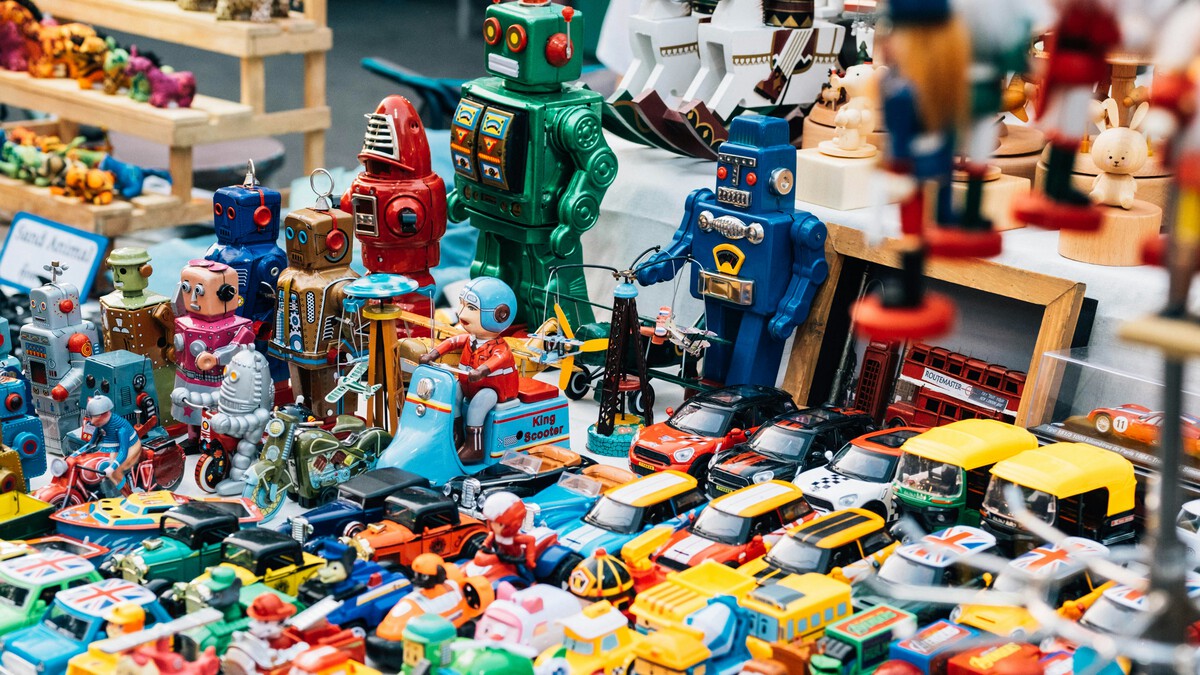
Why Childless Adults Are Driving Toy Sales
There are several reasons why adults without children are becoming major toy consumers. First, nostalgia plays a powerful role. Many adults are drawn to toys and collectibles that remind them of their childhood, from classic board games to building sets like Lego. These purchases offer comfort and a sense of continuity in a fast-changing world.
Second, collectivism is a major motivator. Limited-edition figures, themed sets, and retro re-releases appeal to adults who enjoy curating collections. This behavior is similar to collecting art or memorabilia, and it has created a thriving secondary market for rare toys.
Finally, childless adults often have more disposable income and fewer financial obligations than parents. They can afford to spend on hobbies and leisure activities, and toys are increasingly seen as legitimate adult pastimes. This is reflected in the growing popularity of adult-focused toy lines and the rise of dedicated collector communities.
Key Takeaways for the Toy Industry
- Adults are a growing customer base: Circana's report shows that adults, especially those without children, are driving significant toy sales growth.
- Nostalgia sells: Toys that evoke childhood memories are particularly appealing to adult buyers.
- Collectivism drives repeat purchases: Limited editions and series encourage adults to keep buying.
- Marketing must shift: Toy companies need to target adults directly, not just as gift-givers for children.
- Retail experience matters: Stores like Toy "R" Us are adapting to attract adult shoppers.
How the Toy Industry Is Responding
Toy companies are already adjusting their strategies to cater to the kidult market. Many are expanding their product lines to include more sophisticated and display-worthy items. For example, Lego has introduced sets designed for adult builders, such as architectural models and intricate replicas of famous landmarks. These sets often come with detailed instructions and are marketed as relaxing, creative hobbies rather than children's playthings.
Retailers are also changing their approach. Some stores are creating dedicated sections for adult collectors, featuring higher-end products and limited editions. Online platforms are seeing a surge in adult-oriented toy content, with influencers and reviewers catering to this audience. The success of these initiatives suggests that the kidult trend is not a passing fad but a long-term shift.
What This Means for Traditional Toy Buyers
While the rise of adult toy buyers is exciting for the industry, it also raises questions about how it affects traditional customers. Parents and grandparents may notice that shelves are increasingly stocked with products aimed at adults. However, this doesn't necessarily mean fewer options for children. Instead, the market is diversifying, with more variety for all age groups.
Moreover, the kidult trend could lead to more innovation in toy design. As companies compete for adult dollars, they may invest in higher-quality materials and more complex features. This could benefit children's toys as well, as technology and creativity trickle down. Ultimately, a healthier, more diverse toy industry is good for everyone.
Comparing Adult and Child Toy Markets
To understand the scale of the kidult trend, it helps to compare the adult and child toy markets. The table below outlines key differences based on industry insights. The background to this story is set out in Employee Tries To Cancel Childless Colleague’s Holidays Because They Misused Their Own Sick Leaves. A related thread runs through Britain's 'Kidulthood' Crisis: Young Adults Priced Out of. Earlier coverage in Trending: latest articles shows how the argument developed.
| Aspect | Adult Toy Market | Child Toy Market |
|---|---|---|
| Primary Motivation | Nostalgia, collecting, hobby | Play, development, education |
| Purchase Frequency | Higher for collectors, often repeat | Seasonal peaks (holidays, birthdays) |
| Average Spend | Higher per item, especially for limited editions | Lower per item, but higher volume |
| Product Focus | Display, complexity, authenticity | Safety, durability, age-appropriateness |
| Marketing Channels | Social media, collector communities, specialty stores | TV, family-oriented retail, schools |
What to Watch Next in the Kidult Toy Trend
The kidult toy trend shows no signs of slowing down. As more adults embrace toy collecting and nostalgic purchases, the industry will continue to evolve. Keep an eye on how major toy companies expand their adult-focused lines and how retailers adapt their stores to attract this demographic. Additionally, watch for new research from firms like Circana that track spending patterns among childless adults. A closer look at the same subject appears in The Surprising History of Milk: From Ancient Taboo to Modern Staple. Anyone following the wider picture can start with Caviar Goes Mainstream as China Democratizes Luxury. The same theme surfaces in Aceuchal: The Spanish Garlic Capital Without Fields, which takes a different angle.
For consumers, this trend offers more choices and higher-quality products. Whether you're a collector or just looking for a fun hobby, the growing adult toy market has something for you. And for the industry, it's a reminder that play isn't just for kids—it's for anyone who finds joy in toys. Context on how this played out before sits in Squishy Toys Trend 2025: £10 Banana Tops Christmas Toy Sales. A companion piece, Kidult Toy Trend: How Childless Adults Are Driving Toy Industry Growth, approaches the same subject from another angle.
FAQ
What exactly is the kidult toy trend?
The kidult toy trend refers to the growing number of adults who buy toys and collectibles for themselves, rather than for children. It's driven by nostalgia, collecting hobbies, and disposable income, and it's becoming a major force in the toy industry.
Why are childless adults so important to the toy industry?
Childless adults often have more disposable income and free time to spend on hobbies. They are also a growing demographic, and their purchases are less seasonal than those of parents buying for children. This makes them a reliable and expanding market for toy companies.
What kinds of toys are popular with adult collectors?
Adult collectors are drawn to building sets like Lego, action figures, board games, and limited-edition replicas. Nostalgic items from past decades are also highly sought after. Many of these toys are designed for display and have higher price points.
How can I start collecting toys as an adult?
Start by identifying what you enjoy—whether it's a specific brand, era, or type of toy. Join online communities to learn about rare items and upcoming releases. Set a budget and focus on quality over quantity. Many stores now have dedicated sections for adult collectors.
Browse the Shop
 Acacia frida deluxe solid wood bed frame |
Bedroom bench |
Bed chest drawers |
Lingerie dresser |
Frame base |
Mirror with jewelry storage |
30 Bathroom Vanity |
Memory foam queen mattress |
Mattresses for back pain |
Nightstand set of 2 |
Grand Goldman Shop |
Civil Lawyer
Deutschland Trikot WM 2026










