

Mercadona has long been known as a supermarket chain, but its foray into ready-to-eat meals and coffee service is reshaping the food industry. The Spanish retailer, led by Juan Roig, launched its "ready to eat" section in 2018 and has since expanded it to 1,110 stores. This move has made Mercadona an unexpected competitor to bars and restaurants, capturing nearly 20% of food and beverage spending—more than traditional hospitality venues.
Mercadona's Ready-to-Eat Meals: A Growing Threat to Restaurants
Since 2018, Mercadona's ready-to-eat section has grown at record speed. The service, literally called "listo para comer" (ready to eat), offers freshly prepared dishes that customers can take home or eat on the go. With 1,110 stores now offering these meals, Mercadona has become a significant player in the prepared food market.
Find Original Home Decor sparking conversation at Grand Goldman Shop.

This expansion has not gone unnoticed by restaurateurs. According to the article, Mercadona now accounts for almost 20% of food and beverage spending, surpassing bars and restaurants. This shift indicates a change in consumer behavior, with more people opting for convenient, affordable meals from supermarkets.
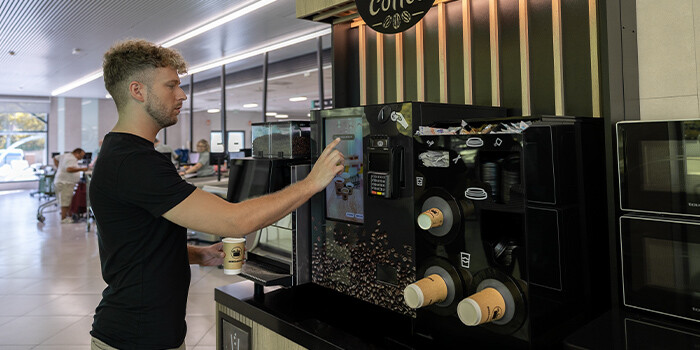
New Coffee Service in Euskadi: A Sign of Things to Come
In late February, El Correo reported that Mercadona installed a freshly ground coffee machine in a Bilbao supermarket. This marked the first such service in the Basque Country. While it may seem like a minor development, it signals Mercadona's intention to compete with cafeterias.
The speed at which Mercadona is rolling out coffee machines is notable. It's not just about having them in many stores, but the rapid expansion strategy. This move could disrupt the coffee shop industry, especially in areas where Mercadona has a strong presence.
Why Mercadona's Strategy Matters
Mercadona's push into prepared meals and coffee is part of a broader trend of supermarkets diversifying their offerings. By providing convenient, ready-to-consume products, they are encroaching on the territory of restaurants and cafes. This can lead to increased competition and potentially force traditional hospitality businesses to adapt. The longer history behind the story is traced in Mercadona's New Business: Coffee to Go as Kitchens Vanish.
For consumers, this means more options for quick, affordable meals and coffee. However, for business owners, it represents a challenge to differentiate themselves and maintain customer loyalty. The background to this story is set out in Mercadona's Ready-to-Eat Food Boom Threatens. A related thread runs through Anitín Breadsticks Sales Hit €110 Million Thanks to Mercadona. Earlier coverage in Roommate Puts Vegetable In All Her Meals She The Food Stealing Mother’s Kids Don’t Eat It shows how the argument developed.
Key Takeaways
- Mercadona's ready-to-eat meals are available in 1,110 stores and have captured nearly 20% of food and beverage spending.
- The chain recently introduced freshly ground coffee machines, starting in Bilbao, signaling a move into the coffee market.
- This expansion poses a direct threat to bars, restaurants, and cafes, which must now compete with supermarket convenience.
- Mercadona's rapid rollout of these services indicates a strategic shift beyond traditional retail.
- Consumers benefit from more convenient and affordable options, but hospitality businesses need to innovate to stay relevant.
Comparing Mercadona's Offerings with Traditional Hospitality
| Aspect | Mercadona | Traditional Bars/Cafes |
|---|---|---|
| Convenience | High (grab-and-go) | Moderate (dine-in or takeaway) |
| Price | Lower | Higher |
| Ambiance | Minimal | Social experience |
| Menu Variety | Limited but growing | Extensive |
| Speed of Service | Fast | Varies |
What to Watch Next
Mercadona's expansion into coffee and ready meals is likely to continue. The company has a history of testing new concepts and scaling them quickly. Observers should watch for further rollouts of coffee machines and additional prepared food options. Additionally, competitors may respond with their own convenient offerings, leading to a more competitive landscape. A closer look at the same subject appears in Office Food Etiquette: Should You Eat Smelly Meals at Work. Anyone following the wider picture can start with Turkish Supermarket File Copies Mercadona and Now Faces EU Probe. The same theme surfaces in Froiz Thrives as Regional Supermarkets Resist Mercadona, which takes a different angle.
For now, Mercadona's move serves as a reminder that the lines between retail and hospitality are blurring. Businesses in both sectors must stay agile and customer-focused to thrive. Context on how this played out before sits in Mercadona Portugal: 55% of Households Now Shop at the Chain. A companion piece, Mercadona and María Pombo Want to Make Tortilla the Spanish Pizza, approaches the same subject from another angle.
FAQ
What is Mercadona's ready-to-eat service?
Mercadona's ready-to-eat service offers freshly prepared meals that customers can purchase and consume immediately or take home. Launched in 2018, it is now available in 1,110 stores.
How does Mercadona's coffee service work?
Mercadona has installed freshly ground coffee machines in some supermarkets, starting with a store in Bilbao. Customers can purchase coffee to go, similar to a cafeteria.
Why are bars and restaurants concerned about Mercadona?
Mercadona's ready meals and coffee service provide convenient, affordable alternatives to traditional dining. The chain now accounts for nearly 20% of food and beverage spending, diverting customers from bars and restaurants.
Will Mercadona expand these services further?
Given the company's history of rapid expansion, it is likely that Mercadona will continue to roll out coffee machines and ready-to-eat options to more stores, increasing competitive pressure on hospitality businesses.







