

When shopping for a smartphone, the number of cameras on the back has become a major selling point. But more cameras don't always mean better photos. In fact, many mid-range and budget phones sport four or more sensors that are there just to fill the spec sheet. Here's how to tell which cameras are worth your money.
The Quad-Camera Trap: When More Isn't Better
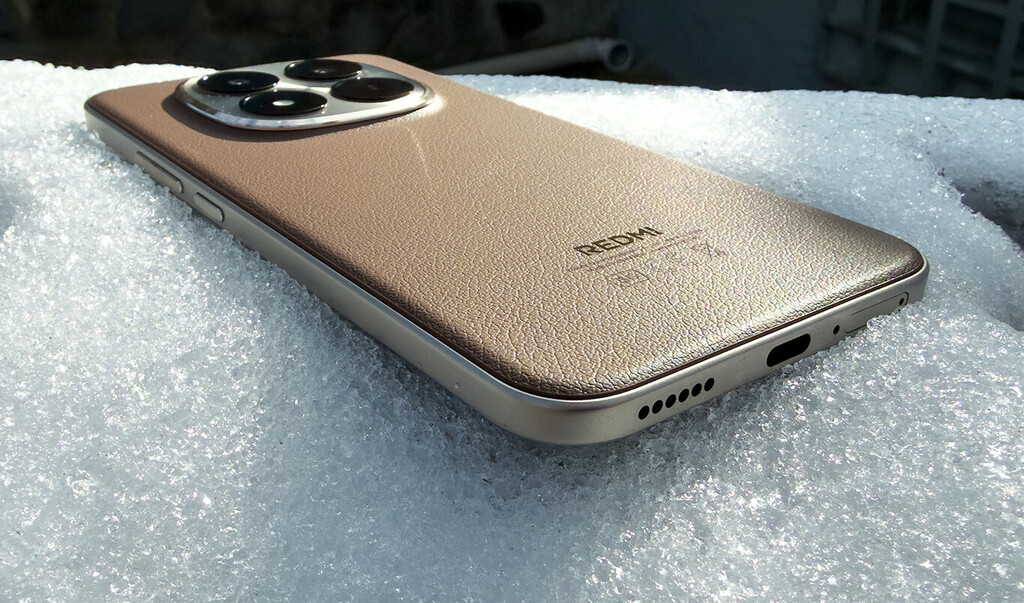
There was a time when dual cameras were revolutionary. Now, it seems every phone needs three or four rear sensors to be taken seriously. But in the mid-range and entry-level segments, those huge camera modules often hide low-resolution sensors that add little value.
Find Original Home Decor sparking conversation at Grand Goldman Shop.

You've probably seen a phone advertising a "quad AI camera" at a suspiciously low price. More often than not, that's a 1+1+2 configuration: one main camera and three secondary sensors with limited utility. This is a classic example of marketing over substance in mobile photography.
The Usual Suspects: Useless Sensors
These are the sensors you'll commonly find that contribute little to image quality:
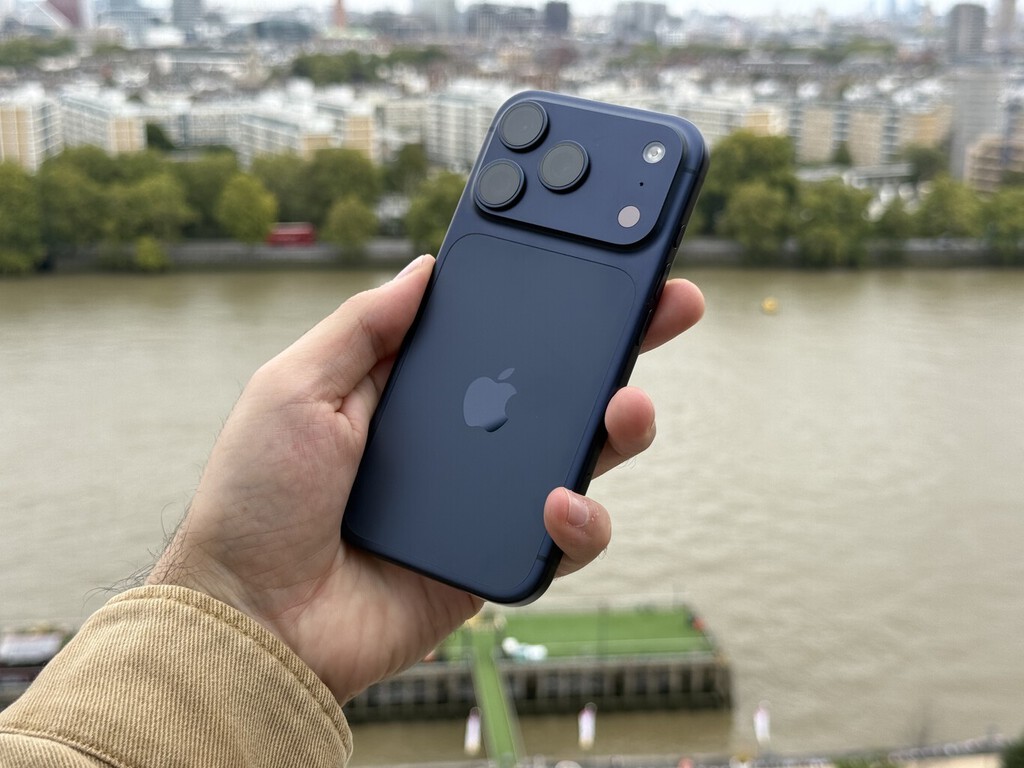
- 2MP macro cameras: Often produce low-detail close-ups that are barely usable.
- 2MP depth sensors: Used for portrait mode, but software can handle this without dedicated hardware.
- Low-resolution ultra-wide cameras: If it's under 8MP, the quality will likely disappoint.
- Monochrome sensors: Sometimes used for contrast, but rarely essential.
- Fake or decorative lenses: Some phones even include non-functional lenses to complete the look.
These sensors are cheap to add and allow manufacturers to boast about having four cameras. But they don't improve your photos in any meaningful way.
Three Keys to Identify a Good Camera Setup
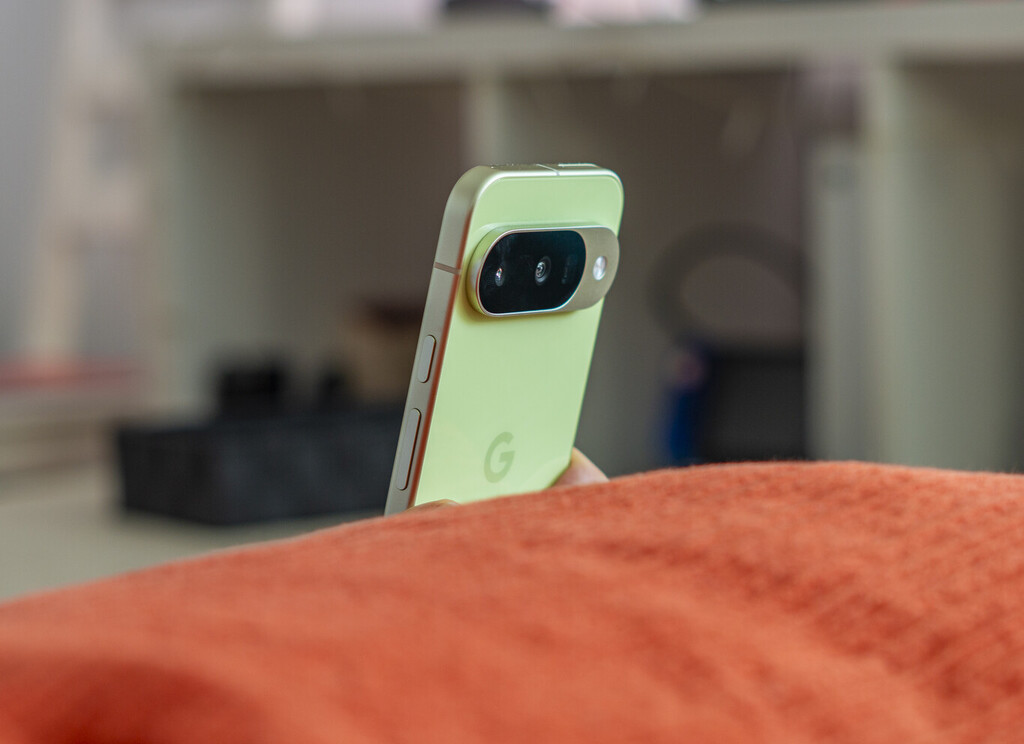
If you want a phone with a genuinely good camera, don't just count the circles on the back. Look for these three things in the specs:
1. A High-Quality Main Sensor
The main camera is the most important. Look for a sensor with a high megapixel count (though not the only factor) and features like optical image stabilization (OIS) and a wide aperture. Brands like Google, Samsung, and Apple often use top-tier main sensors even on their mid-range models.
2. A Useful Secondary Camera
An ultra-wide camera can be genuinely useful if it has a decent resolution (12MP or higher) and a wide field of view. A telephoto lens is also valuable for zoom. Avoid phones where the secondary cameras are all 2MP macro or depth sensors.
3. Software and Processing
Great hardware needs great software. Look for phones from brands known for their computational photography, like Google's Pixel series or Apple's iPhone. Even a single-camera phone can outperform a quad-camera phone if the software is superior.
Camera Configurations Compared
Here's a comparison of common camera setups you'll find in spec sheets and what they actually mean for photo quality:
| Configuration | Typical Specs | Real-World Quality |
|---|---|---|
| Quad camera (budget) | 108MP main + 2MP macro + 2MP depth + 2MP monochrome | Main camera is good; others are mostly useless. |
| Triple camera (mid-range) | 64MP main + 8MP ultra-wide + 2MP macro | Main and ultra-wide are useful; macro is mediocre. |
| Dual camera (flagship) | 12MP main + 12MP ultra-wide | Both cameras are high quality; no filler sensors. |
| Single camera (high-end) | 12MP main with large sensor and OIS | Excellent quality thanks to advanced software. |
As you can see, the number of cameras doesn't directly correlate with better photos. A well-implemented dual-camera system can beat a poorly executed quad-camera setup.
Why Manufacturers Keep Adding Cameras
It's simple: more cameras look impressive on paper. Consumers often equate more with better, so brands add cheap sensors to stand out. This is especially common in the budget segment, where competition is fierce and every spec matters.
However, some brands are starting to push back. Companies like Google and Apple have consistently used fewer cameras but focused on quality. This shows that the tide may be turning, but for now, you need to be vigilant. The background to this story is set out in Vivo X500 Pro and Pro Max: Camera System, Launch Deal, and Specs. A related thread runs through Chinese Poco F9 Ultra (Redmi K100 Pro) cameras and specs leaked. Earlier coverage in Trending: latest articles shows how the argument developed.
What to Watch Next
As consumers become more educated, manufacturers may shift their strategies. We're already seeing a focus on larger main sensors and better software processing. In the future, the number of cameras may become less important than the quality of the main sensor and the intelligence of the processing. A closer look at the same subject appears in Best Camera Phones for Every Budget: From 300 to Over 1000 Euros. Anyone following the wider picture can start with Why the Future of Mobile Cameras Is Realism, Not Perfect Photos. The same theme surfaces in Best ND Filters for Smartphone Solar Eclipse Photography, which takes a different angle.
When you're ready to buy, remember to look beyond the marketing. Check reviews from reputable sources, look at sample photos, and consider the software ecosystem. Your photos will thank you. Context on how this played out before sits in Trump Mobile T1: A 2024 HTC Phone Dressed as American.
FAQ
Does having more cameras on a smartphone mean better photo quality?
Not necessarily. Many budget phones add low-resolution macro or depth sensors just for marketing. A phone with a single high-quality main camera can often take better photos than one with four mediocre cameras.
What is a 1+1+2 camera configuration?
It refers to one main camera and three secondary sensors that are often low-resolution and of limited use. This setup is common in budget phones that advertise a quad-camera system.
How can I tell if a phone's camera is actually good?
Look for a high-quality main sensor with optical image stabilization, a useful ultra-wide or telephoto lens, and strong software processing from brands known for good cameras.
Are macro and depth sensors ever useful?
They can be, but only if they have decent resolution. Most 2MP macro and depth sensors produce poor results and are better replaced by software solutions.
Browse the Shop
 Acacia frida deluxe solid wood bed frame |
Bedroom bench |
Bed chest drawers |
Lingerie dresser |
Frame base |
Mirror with jewelry storage |
30 Bathroom Vanity |
Memory foam queen mattress |
Mattresses for back pain |
Nightstand set of 2 |
Grand Goldman Shop |
Civil Lawyer
Deutschland Trikot WM 2026







