

The Strait of Hormuz, a narrow waterway between the Persian Gulf and the Gulf of Oman, is the world's most critical oil chokepoint. Iran's potential use of naval mines there could disrupt global energy supplies, and the threat is more serious than a simple blockade.
On maps, it looks like a mere slit of water between deserts, but through this narrow corridor passes a gigantic portion of the energy that moves the planet every day. So narrow that in some sections ships navigate in maritime lanes just a few kilometers wide, constantly watched by radars, drones, and military fleets. For decades, any tension at this point in the Persian Gulf has been able to shake oil prices within minutes.
Find Original Home Decor sparking conversation at Grand Goldman Shop.

Why the Strait of Hormuz Matters
The Strait of Hormuz is the world's most important oil transit chokepoint. According to the U.S. Energy Information Administration, about 20% of global oil consumption passes through this narrow waterway. Any disruption there has immediate repercussions on energy supply and prices.
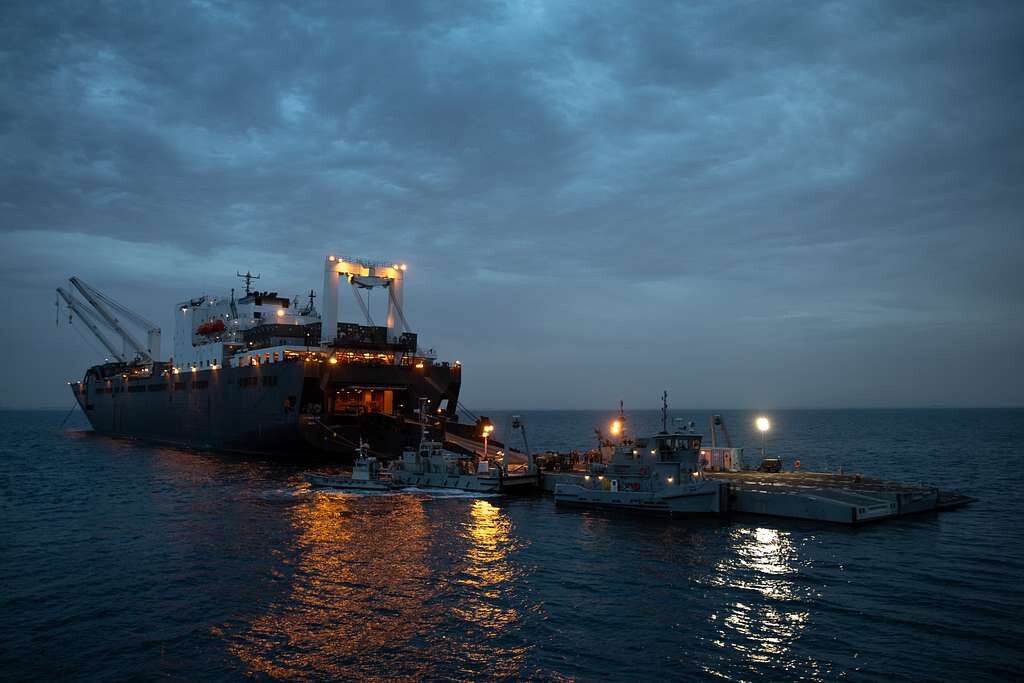
The strait is also a critical route for liquefied natural gas (LNG). Qatar, the world's largest LNG exporter, ships almost all its exports through Hormuz. A closure or even a partial disruption would send shockwaves through global energy markets.
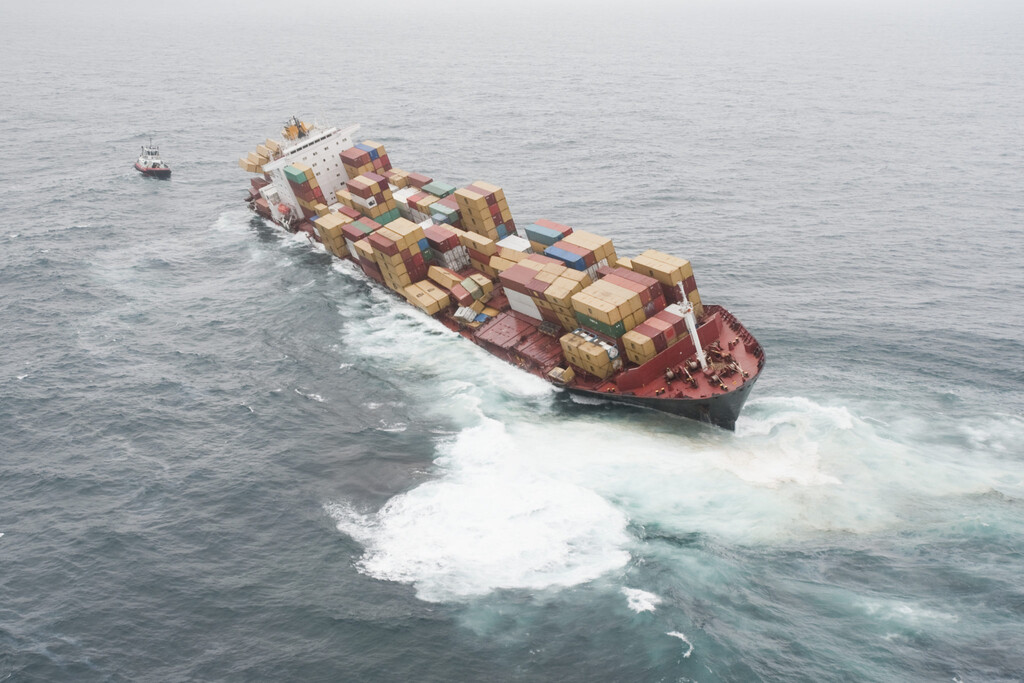
The Threat of Naval Mines
A war is also being waged at sea. While bombings and missiles focus attention on the conflict between the United States, Israel, and Iran, a parallel battle has begun to develop in the Persian Gulf. Since the start of the war, U.S. intelligence services have detected indications that Tehran might attempt to alter maritime traffic in the Strait of Hormuz through the deployment of naval mines and small fast boats.
The threat is serious enough to have triggered public warnings from Washington and preventive military operations against Iranian ships suspected of participating in these maneuvers. In this context, control of that maritime corridor has become one of the most delicate strategic points of the conflict, because any disturbance there has immediate repercussions on energy supply.
How Naval Mines Could Disrupt the Strait
Naval mines are cheap, easy to deploy, and highly effective at denying access to strategic waterways. Even the threat of mines can force insurers to raise premiums, shipping companies to reroute vessels, and navies to commit significant resources to minesweeping operations.
Iran has a long history of using asymmetric naval tactics, including mines and fast attack craft. During the 1980s Tanker War, Iran laid mines that damaged several oil tankers and prompted a massive U.S. naval response. The memory of that conflict looms large over current tensions.
Global Economic Impact
Any disruption in the Strait of Hormuz would have far-reaching economic consequences. Oil prices would spike immediately, potentially triggering a global recession. Consumers would feel the pinch at the pump, and industries reliant on oil and gas would face higher costs.
Countries heavily dependent on Middle Eastern oil, such as Japan, South Korea, and India, would be particularly vulnerable. The United States, despite its shale revolution, remains exposed to global price shocks because oil is traded on a global market. The background to this story is set out in US Strikes Iran for 10th Time as Iran Declares 'Full-Scale War'. A related thread runs through Strait of Hormuz Lunch: A Memorable Persian Gulf Meal. Earlier coverage in Strait of Hormuz crisis deepens as US strategy falters shows how the argument developed.
What to Watch Next
The situation remains fluid. Key indicators to monitor include U.S. naval deployments to the region, Iranian military exercises, and any incidents involving commercial shipping. Diplomatic efforts to de-escalate tensions will also be crucial. A closer look at the same subject appears in Trump Threatens to Declare Strait of Hormuz US Territory. Anyone following the wider picture can start with US Minesweepers Leave Hormuz: Strategic Shift or Cover. The same theme surfaces in Russian Superyacht Defies Strait of Hormuz Blockade, which takes a different angle.
For now, the threat of mines in the Strait of Hormuz adds a dangerous new dimension to an already volatile conflict. The world's energy security hangs in the balance. Context on how this played out before sits in UAE's West-East Pipeline: Bypassing the Strait of Hormuz. A companion piece, Iran and Russia Secret Caspian Drone Corridor Exposed, approaches the same subject from another angle.
FAQ
What is the Strait of Hormuz and why is it important?
The Strait of Hormuz is a narrow waterway between the Persian Gulf and the Gulf of Oman. It is the world's most important oil chokepoint, with about 20% of global oil consumption passing through it daily. Any disruption there affects global energy prices.
What are naval mines and how do they work?
Naval mines are explosive devices deployed in water to damage or sink ships. They can be contact mines that explode on impact or influence mines triggered by magnetic, acoustic, or pressure signatures. They are cheap and effective at denying access to strategic waterways.
How could Iran use mines in the Strait of Hormuz?
Iran could deploy mines from small boats or submarines to disrupt shipping lanes. Even the threat of mines can force insurers to raise premiums and navies to commit resources to minesweeping. Iran used mines during the 1980s Tanker War.
What would be the global impact of a Hormuz disruption?
A disruption would cause oil prices to spike, potentially triggering a global recession. Countries heavily dependent on Middle Eastern oil, such as Japan and South Korea, would be particularly vulnerable. The U.S. would also be affected through global price shocks.
Browse the Shop
 Acacia frida deluxe solid wood bed frame |
Bedroom bench |
Bed chest drawers |
Lingerie dresser |
Frame base |
Mirror with jewelry storage |
30 Bathroom Vanity |
Memory foam queen mattress |
Mattresses for back pain |
Nightstand set of 2 |
Grand Goldman Shop |
Civil Lawyer
Deutschland Trikot WM 2026







