

When shopping for an electric car in 2026, you'll repeatedly encounter WLTP combined and urban range along with combined and urban electric consumption. These four figures appear in spec sheets, video reviews, and dealership presentations, but they often confuse buyers because the same car can show hundreds of kilometers of difference between urban and combined range.
Understanding what each number means is essential to set realistic expectations based on your driving habits. This guide breaks down WLTP range and consumption so you can make an informed decision.
Find Original, High-end Home Decor that spark conversation at Grand Goldman Shop.
What Is WLTP and Why Does It Matter?
The Worldwide Harmonised Light Vehicles Test Procedure (WLTP) is the standard used in Europe to measure fuel consumption, range, and emissions for all vehicles. For electric cars, it provides two sets of figures: urban and combined.
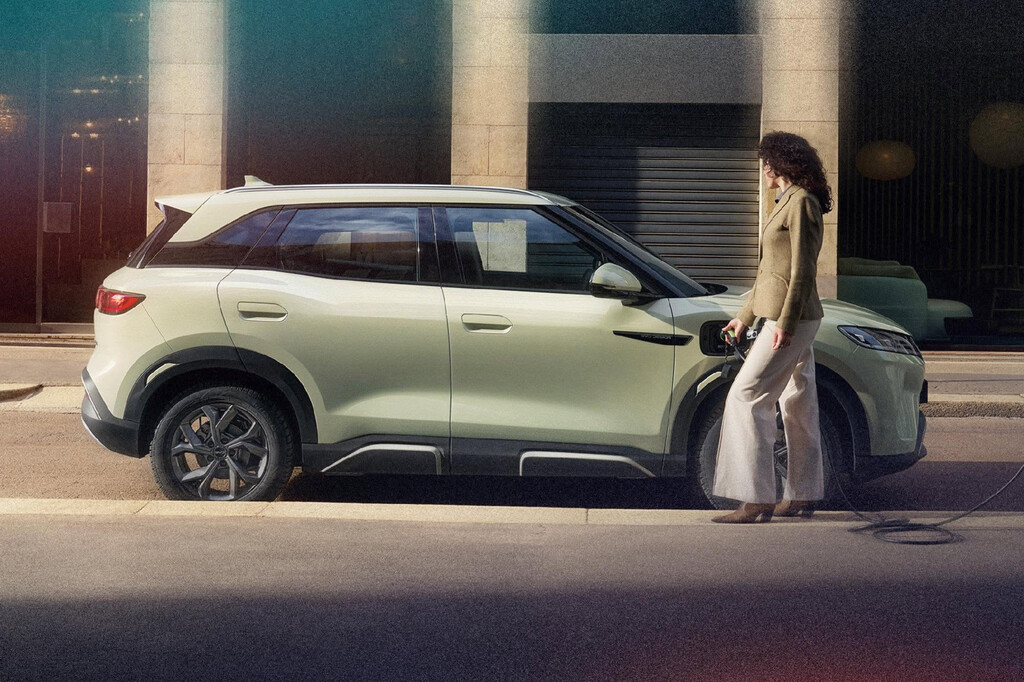
Unlike older tests, WLTP aims to reflect more realistic driving conditions, but it's still a laboratory test. The key is knowing how to interpret the results for your daily use.
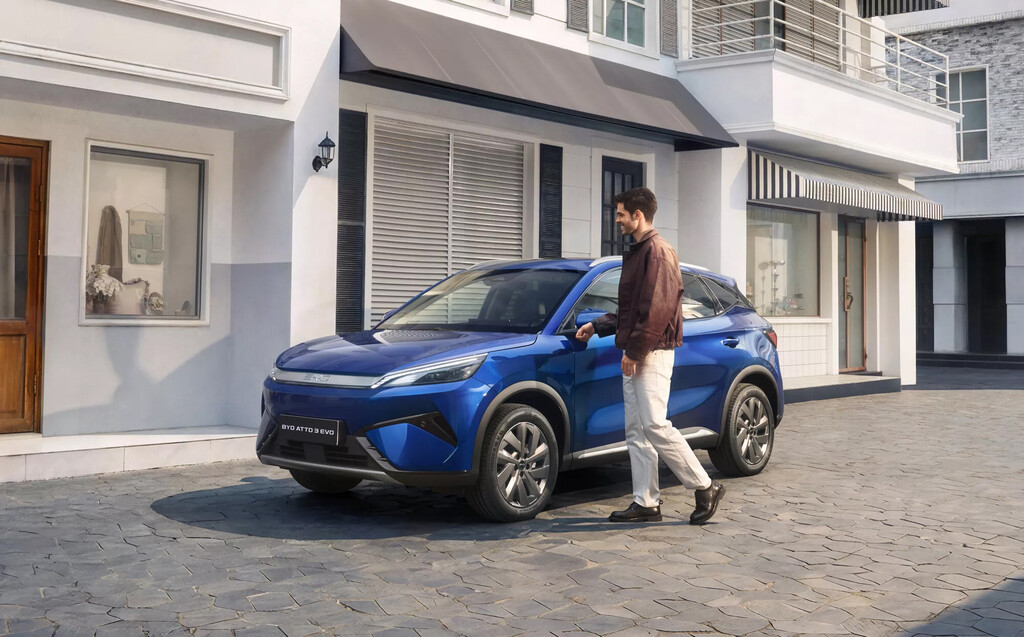
Urban vs Combined Range: What's the Difference?
Urban range measures how far the car can go in city driving conditions, where speeds are lower and regenerative braking is more effective. Electric cars are particularly efficient in cities, so urban range is often significantly higher than combined range.
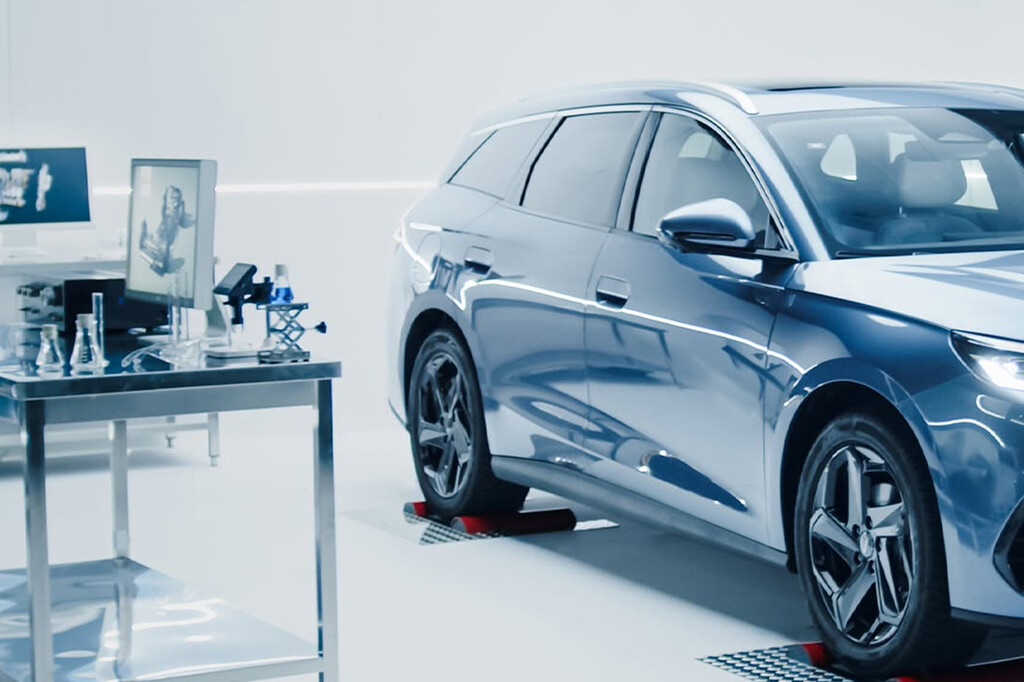
Combined range is a weighted average of urban, suburban, and highway driving. It's the headline figure you'll see in advertisements, but it may not match your real-world experience if you mostly drive on highways.
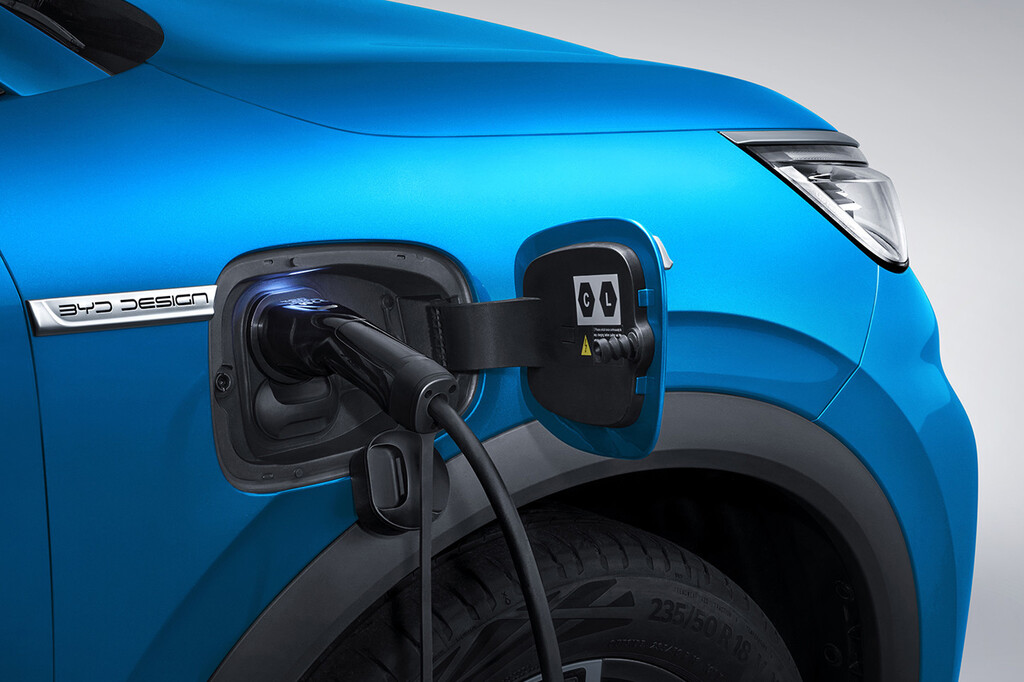
For example, the BYD DOLPHIN SURF Boost homologates up to 507 km of urban range but only 322 km of combined range. This huge gap illustrates why understanding both figures is crucial.
Electric Consumption: Urban vs Combined
Consumption figures, expressed in kWh/100 km, tell you how much energy the car uses. Urban consumption is typically lower because city driving allows for more energy recuperation and lower speeds.
Combined consumption gives a broader picture, including higher-speed segments where aerodynamic drag increases energy use. Lower consumption means lower running costs and often longer range. Context on how this played out before sits in WLTP Range and Consumption Explained for EV Buyers in 2026. A companion piece, Fresh Kills: New York's 53-Year Landfill Becomes a Massive Park, approaches the same subject from another angle.
Key Takeaways for EV Buyers
- Urban range is usually higher than combined range due to regenerative braking and lower speeds.
- Combined range is a better indicator if you frequently drive on highways.
- Consumption figures help you estimate charging costs and efficiency.
- Real-world range can vary based on driving style, weather, and load.
- Always compare urban and combined figures to match your typical driving patterns.
How to Use WLTP Figures in Your Decision
Start by analyzing your daily commute and typical journeys. If you mostly drive in the city, urban range is more relevant. If you often take long highway trips, focus on combined range. The background to this story is set out in Trending: latest articles. A related thread runs through SQD-Mini LED TV Technology: What Buyers Need to Know.
Also consider that WLTP tests are conducted under ideal conditions. Real-world range can be 10-20% lower, especially in cold weather or at high speeds. Use the WLTP figures as a comparative tool between models rather than an exact prediction. Earlier coverage in No-Code Online Store: Launch Your Ecommerce Site for Under €6/Month shows how the argument developed. A closer look at the same subject appears in Logitech G29 Steering Wheel Bundle Drops to $209.99 on Amazon.
Comparing Models with WLTP Data
| Model | Urban Range (km) | Combined Range (km) | Urban Consumption (kWh/100 km) | Combined Consumption (kWh/100 km) |
|---|---|---|---|---|
| BYD DOLPHIN SURF Boost | 507 | 322 | Not specified | Not specified |
| Example Model B | 450 | 350 | 12.5 | 15.0 |
| Example Model C | 600 | 450 | 11.0 | 14.5 |
Note: The table includes illustrative data for comparison; always refer to official manufacturer figures. Anyone following the wider picture can start with Texas Senate Race: Democratic Hopes Face Long Odds Despite Paxton. The same theme surfaces in Parenting Pressure: Experts Push Back on Impossible Standards, which takes a different angle.
FAQ
What is WLTP combined range?
WLTP combined range is a weighted average of urban, suburban, and highway driving cycles. It represents a more comprehensive estimate of how far an electric car can travel on a full charge under mixed conditions.
Why is urban range higher than combined range?
Electric cars are more efficient in city driving due to regenerative braking and lower speeds, which reduce energy consumption. Therefore, urban range is typically higher than combined range, which includes high-speed segments where energy use increases.
How accurate is WLTP range in real life?
WLTP range is measured under laboratory conditions and may not reflect real-world driving. Factors like weather, driving style, and load can reduce actual range by 10-20% or more. Use WLTP figures for comparison rather than exact predictions.
Should I focus on urban or combined consumption?
It depends on your driving patterns. If you mostly drive in the city, urban consumption is more relevant. For mixed or highway driving, combined consumption gives a better estimate of your energy costs.
Making Sense of the Numbers
Armed with this knowledge, you can navigate EV spec sheets with confidence. Remember that WLTP figures are a standardized way to compare vehicles, but your real-world experience will depend on how and where you drive.
Before buying, take a test drive and, if possible, check owner forums for real-world range reports. This will help you avoid surprises and choose an electric car that fits your lifestyle.
Browse the Shop
 Acacia frida deluxe solid wood bed frame |
Bedroom bench |
Bed chest drawers |
Lingerie dresser |
Frame base |
Mirror with jewelry storage |
30 Bathroom Vanity |
Memory foam queen mattress |
Mattresses for back pain |
Nightstand set of 2 |
Grand Goldman Shop |
Civil Lawyer
Deutschland Trikot WM 2026







