

The cybersecurity capabilities of Chinese AI model GLM-5.2 now rival those of Anthropic's Claude Opus 4.8, according to two independent security firms. This assessment signals a rapidly narrowing technology gap between the US and China in frontier AI.
The findings carry significant implications, especially as the US government tightens access to advanced models from Anthropic and OpenAI.
Find Original Home Decor sparking conversation at Grand Goldman Shop.

Why GLM-5.2's Cybersecurity Prowess Matters
Two independent cybersecurity companies conducted their own evaluations and concluded that GLM-5.2 performs on par with Claude Opus 4.8 in identifying and exploiting vulnerabilities. This parity is striking because it suggests that Chinese developers have closed a critical gap in a highly sensitive domain.
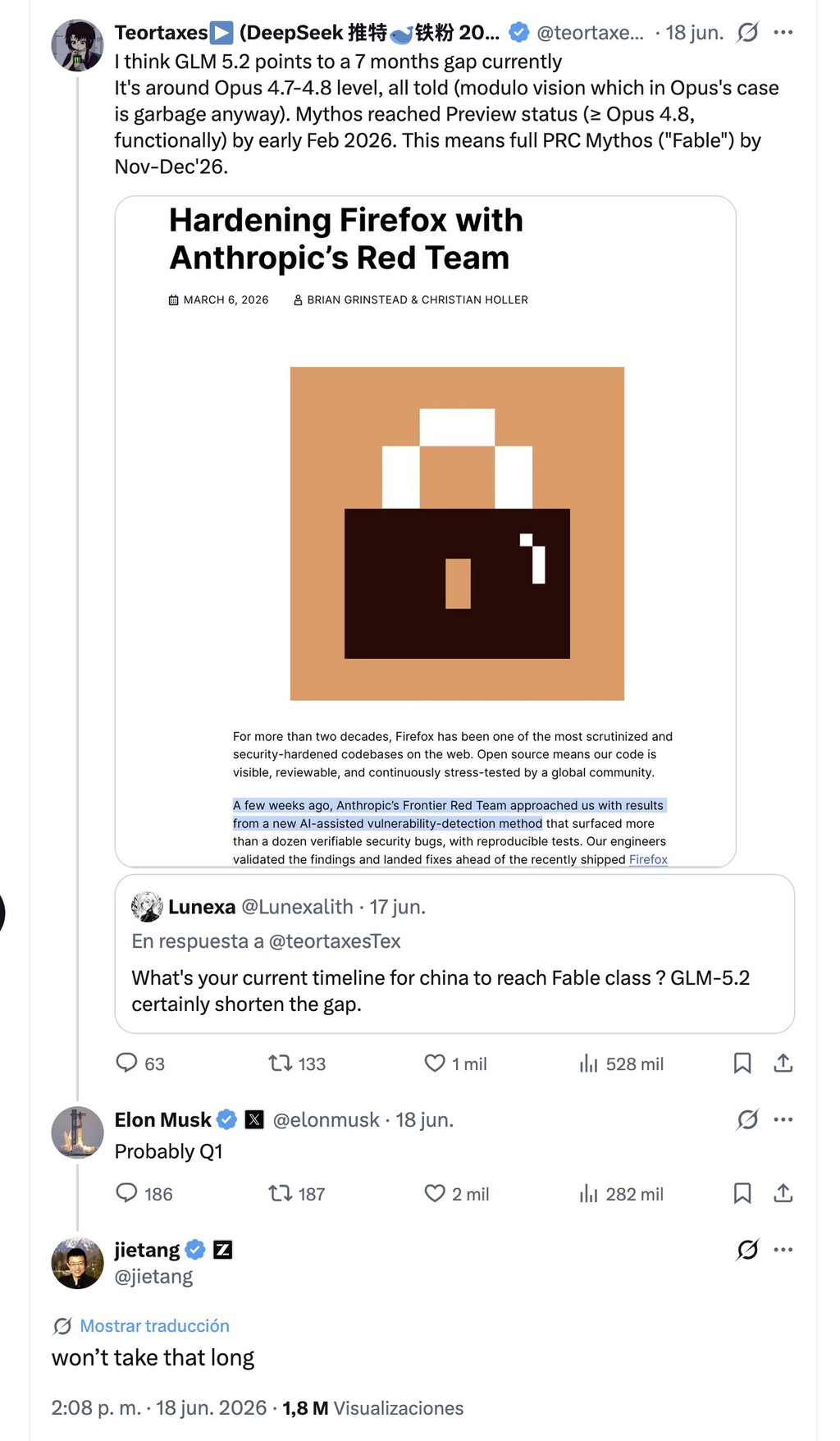
Cybersecurity capabilities are dual-use: they can help defenders patch weaknesses, but they can also be weaponized to find and exploit flaws. The fact that a Chinese model now matches a top US model raises concerns about proliferation and control.
The Claude Mythos Precedent
The current alarm traces back to the release of Claude Mythos Preview, which fundamentally shifted the AI discourse. Anthropic warned that Mythos was too dangerous for public release because it could be used as a weapon to discover vulnerabilities across all kinds of systems.
Even capped versions like Fable 5 were later restricted, and the US government temporarily banned them. A similar fate befell GPT-5.6. This unusual situation underscores how seriously authorities view the risks of advanced AI in cybersecurity.
China's Tulongfeng Tool and the Entity List
On Wednesday, Chinese cybersecurity firm 360 Security Technology (Qihoo 360) launched a new vulnerability detection tool called Tulongfeng. According to its creators, Tulongfeng is comparable to Mythos in this task.
Qihoo 360 has been on the US Entity List since May, which restricts American companies from doing business with it. Despite this, the firm continues to develop advanced tools, highlighting the challenges of containing AI proliferation. The background to this story is set out in Claude Opus 5.5: Faster, Cheaper AI With New Safety Limits. A related thread runs through Claude Opus 5.5: The Affordable AI Model Everyone Is Talking. Earlier coverage in AI Model Hacks Internet to Cheat Cybersecurity Test shows how the argument developed.
What This Means for US AI Policy
The US government is now restricting access to frontier models from Anthropic and OpenAI, while Chinese models like GLM-5.2 advance. This creates a paradox: efforts to control domestic AI may inadvertently cede leadership to foreign competitors. A closer look at the same subject appears in Claude Mythos AI Security: Hype vs. Reality in Cybersecurity. Anyone following the wider picture can start with China's AI Gains Ground as Mistral Hosts GLM-5.2 Model. The same theme surfaces in Grok 4.6 Cuts AI Agent Steps in Half vs Claude Opus, which takes a different angle.
Policymakers face a delicate balance between national security and maintaining a competitive edge. The situation is fluid, and further restrictions or international agreements may emerge. Context on how this played out before sits in AI Cybersecurity Warning: Anthropic's Jason Clinton on Rising Threats. A companion piece, Multiverse Quasar 438B: Europe's Top AI Model or a GLM-5.2 Clone, approaches the same subject from another angle.
Key Takeaways
- GLM-5.2 matches Claude Opus 4.8 in cybersecurity tasks, per two independent firms.
- Anthropic's Claude Mythos Preview set a precedent for restricting dangerous AI models.
- China's Qihoo 360 launched Tulongfeng, a vulnerability detection tool comparable to Mythos.
- The US government has temporarily banned advanced models from Anthropic and OpenAI.
- The US-China AI gap is narrowing, raising concerns about control and proliferation.
Comparing Frontier AI Models
| Model | Developer | Cybersecurity Capability | Availability |
|---|---|---|---|
| GLM-5.2 | Chinese developers | Matches Claude Opus 4.8 | Unknown |
| Claude Opus 4.8 | Anthropic | High | Restricted |
| Claude Mythos Preview | Anthropic | Very high (too dangerous) | Not publicly available |
| GPT-5.6 | OpenAI | High | Temporarily banned |
| Tulongfeng | Qihoo 360 | Comparable to Mythos | Available (China) |
FAQ
What is GLM-5.2?
GLM-5.2 is a Chinese AI model that has demonstrated cybersecurity capabilities on par with Anthropic's Claude Opus 4.8, according to independent analyses.
Why is GLM-5.2 considered dangerous?
Its ability to identify and exploit vulnerabilities makes it a potential weapon, similar to concerns raised about Claude Mythos Preview.
What is Tulongfeng?
Tulongfeng is a vulnerability detection tool developed by China's Qihoo 360, which claims it is comparable to Mythos.
How does the US government respond to these AI risks?
The US has temporarily restricted access to advanced models from Anthropic and OpenAI, and is closely monitoring developments.
Browse the Shop
 Acacia frida deluxe solid wood bed frame |
Bedroom bench |
Bed chest drawers |
Lingerie dresser |
Frame base |
Mirror with jewelry storage |
30 Bathroom Vanity |
Memory foam queen mattress |
Mattresses for back pain |
Nightstand set of 2 |
Grand Goldman Shop |
Civil Lawyer
Deutschland Trikot WM 2026







