

Ebro is manufacturing cars again at its Zona Franca plant in Barcelona, the same site the brand left in 1967 and where Nissan later operated for four decades. The milestone marks the return of real vehicle production, not just assembly, to a facility with deep roots in Catalan industry.
Journalists were allowed inside the roughly 500,000-square-meter Ebro Factory for the first time. What they found was a plant that looks forward rather than back: welding robots, automated parts supply lines and modern assembly stations carrying the Ebro badge on the grille.
Find Original Home Decor sparking conversation at Grand Goldman Shop.

Why the Ebro Factory Return Matters
The story of this site is a loop of Spanish industrial history. Ebro built its last vehicles there in 1967 before the operation became Nissan Motor Ibérica. Nissan then ran the plant until it closed on December 31, 2021, after 41 years of activity.
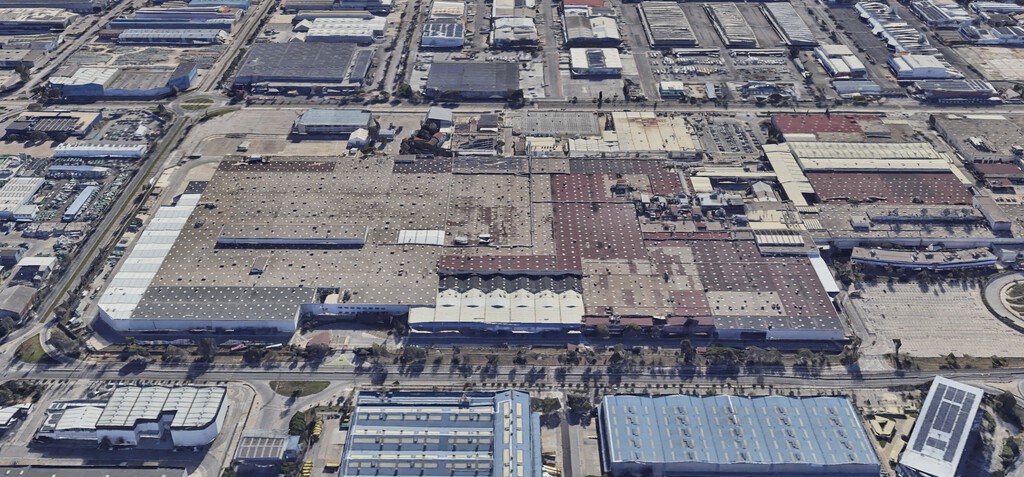
That closure put around 2,500 workers out of work and left a large industrial asset idle. Three years later, Ebro confirmed a reindustrialization plan to bring activity back to the facility. The company did much of it with the people who already knew the building.
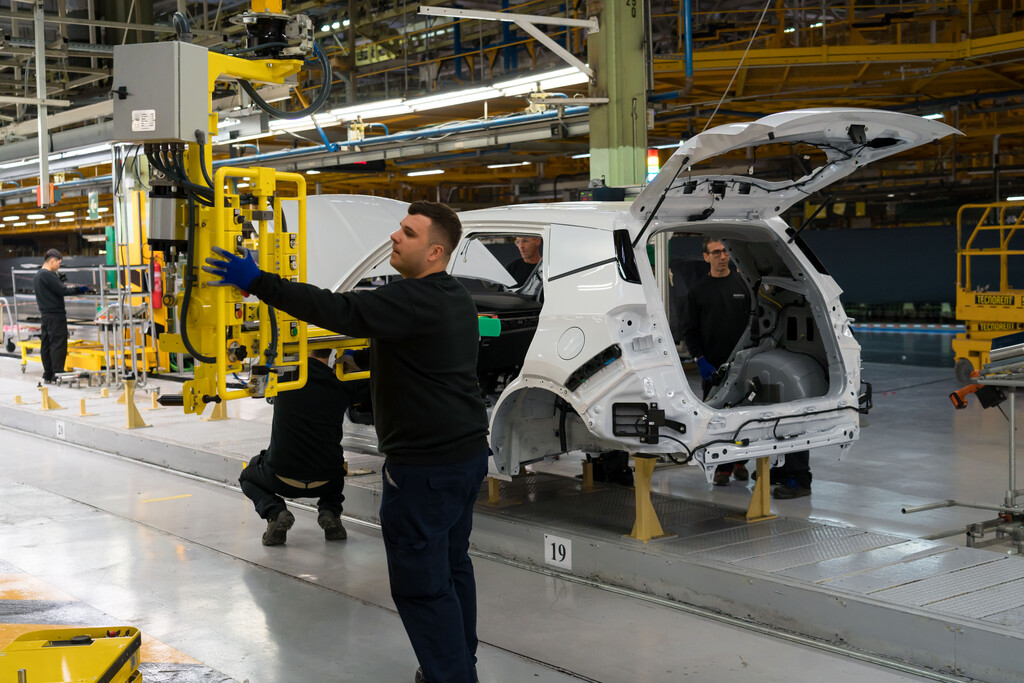
Of the nearly 2,000 employees Ebro has today, about 1,000 previously worked for Nissan. Roughly 400 are product engineers, 200 are process engineers and 200 work in other specialized roles. That continuity is the quiet engine behind the restart.
From Assembly to Full Vehicle Production
The distinction between assembling and manufacturing is central here. Ebro says the Zona Franca site now builds vehicles rather than simply putting together imported kits. That means stamping, welding and painting operations feeding a real production line.
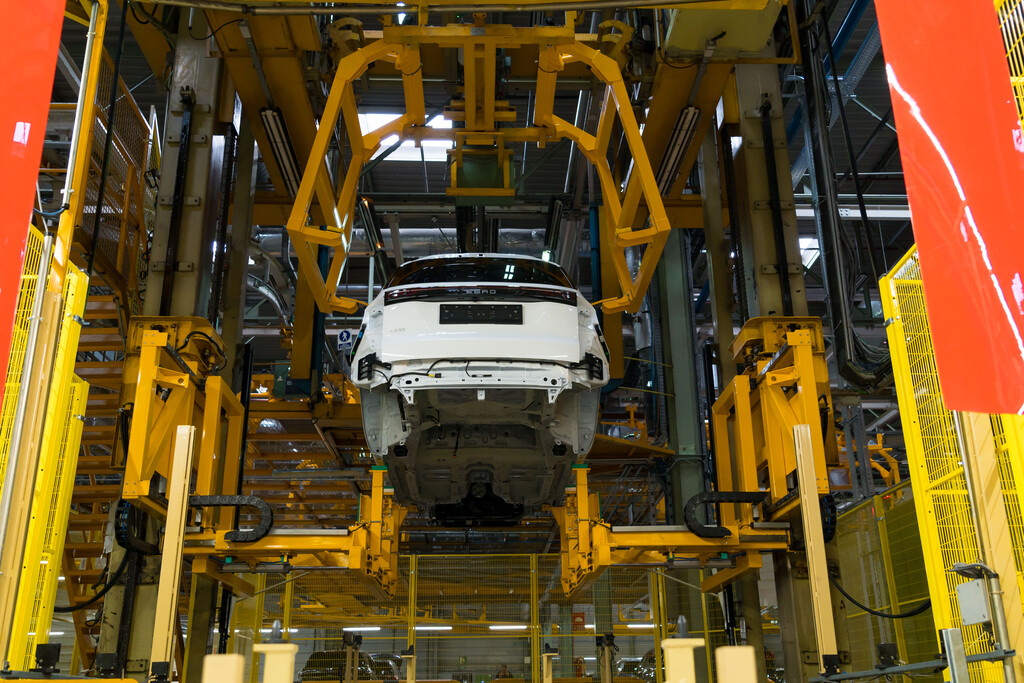
The plant floor reflects that ambition. Robotic welding cells handle body construction, automated lines feed parts to stations, and assembly areas use current-generation tooling. The mix is designed to support volume without rebuilding the site from scratch.
- Historic continuity: Ebro left the site in 1967; Nissan ran it until its 2021 closure.
- Workforce reuse: about 1,000 of Ebro's nearly 2,000 staff came from Nissan.
- Engineering depth: roughly 400 product engineers and 200 process engineers are on staff.
- Real production: the plant manufactures vehicles rather than only assembling them.
- Scale: the Ebro Factory occupies around 500,000 square meters in Zona Franca.
What the Plant Looks Like Inside
The first press tour revealed a factory split between legacy and renewal. The same halls and corridors that saw the final Ebro vehicles in 1967 now host automated supply lines and modern assembly sequences. Visitors described a floor that leans toward the future.
That blend is not cosmetic. Reusing an existing industrial footprint saves time and capital compared with greenfield construction. It also preserves specialized skills in the local labor pool, which matters when ramping up a new vehicle program.
How Ebro's Restart Compares With the Nissan Era
| Factor | Nissan Era (until 2021) | Ebro Restart (2026) |
|---|---|---|
| Operator | Nissan Motor Ibérica | Ebro |
| Status | Closed December 31, 2021 | Manufacturing vehicles again |
| Workforce impact | About 2,500 jobs lost | Nearly 2,000 employed, about 1,000 ex-Nissan |
| Production type | Full vehicle output | Full manufacturing, not just assembly |
| Site size | About 500,000 square meters | Same footprint, modernized lines |
Who Is Affected by the Comeback
The most direct beneficiaries are the workers who stayed in the region after the Nissan closure. Rehiring experienced staff shortens training cycles and protects institutional knowledge about the plant's layout and processes.
For Barcelona, the restart supports industrial employment in a zone that had absorbed a painful shutdown. For suppliers, an active assembly line means renewed demand for components and logistics. For drivers, it means a revived Spanish badge with a genuine local production story. The background to this story is set out in Chinese Car Manufacturing Cost Advantage: A Threat to Traditional Automakers. A related thread runs through Chery's UK R&D Centre Marks Next Step in Car Manufacturing Push.
What to Watch Next
The open question is volume. Ebro has shown the plant can manufacture vehicles, but the market will decide how many. Production ramp-up, model lineup and export plans will determine whether the restart scales or stalls. Earlier coverage in Ebro Aims to Be the Seat of the 21st Century, Says Sales Chief shows how the argument developed. A closer look at the same subject appears in Ebro Reservoir Water Crisis: Why Spain's Biggest Basin Dried.
Watch the hiring numbers and supplier contracts over the coming quarters. If Ebro keeps adding shifts and local content, the Zona Franca site could become a durable piece of Spain's automotive map again rather than a nostalgic footnote. Anyone following the wider picture can start with The Catfish That Ate Spain: Half a Century of the Ebro River Monster. The same theme surfaces in Car: latest articles, which takes a different angle.
FAQ
When did Ebro leave the Zona Franca plant?
Ebro moved to the Zona Franca de Barcelona in 1967, when the site produced its last Ebro vehicles before becoming Nissan Motor Ibérica. The Ebro name has now returned to the same factory.
Why did the Barcelona plant close in 2021?
Nissan closed the facility on December 31, 2021, after 41 years of activity, leaving about 2,500 workers without jobs. Ebro later confirmed a reindustrialization plan to restore activity there.
How many former Nissan workers does Ebro employ?
Of Ebro's nearly 2,000 current employees, around 1,000 previously worked for Nissan. That group includes roughly 400 product engineers and 200 process engineers.
Does Ebro only assemble cars at Zona Franca?
No. Ebro says the plant manufactures vehicles rather than merely assembling them, using robotic welding, automated parts supply and modern assembly lines across the site.
Browse the Shop
 Acacia frida deluxe solid wood bed frame |
Bedroom bench |
Bed chest drawers |
Lingerie dresser |
Frame base |
Mirror with jewelry storage |
30 Bathroom Vanity |
Memory foam queen mattress |
Mattresses for back pain |
Nightstand set of 2 |
Grand Goldman Shop |
Civil Lawyer
Deutschland Trikot WM 2026







