

France's hedgerow removal—approximately 12,000 kilometers of bocage uprooted for tractor access—seemed like progress in the mid-20th century. Decades later, scientists discovered these natural barriers were preventing something far worse: soil erosion, nitrate pollution, and devastating floods. This is the story of agricultural modernization's hidden cost and the slow rediscovery of a landscape's true worth.
What Was the Bocage and Why Did It Vanish?
For centuries, Brittany's countryside was defined by the bocage—a patchwork of small fields separated by hedges, trees, embankments, and sunken lanes. These features served practical purposes: marking property lines, containing livestock, providing windbreaks, and supplying firewood. But after World War II, a new agricultural imperative took hold.
Find Original Home Decor sparking conversation at Grand Goldman Shop.

Mechanization demanded large, continuous fields where tractors and heavy machinery could operate efficiently. The small parcels of the bocage were seen as obstacles. Between the 1950s and 1980s, France undertook a massive land consolidation program, removing roughly 70% of Brittany's historic hedgerows.
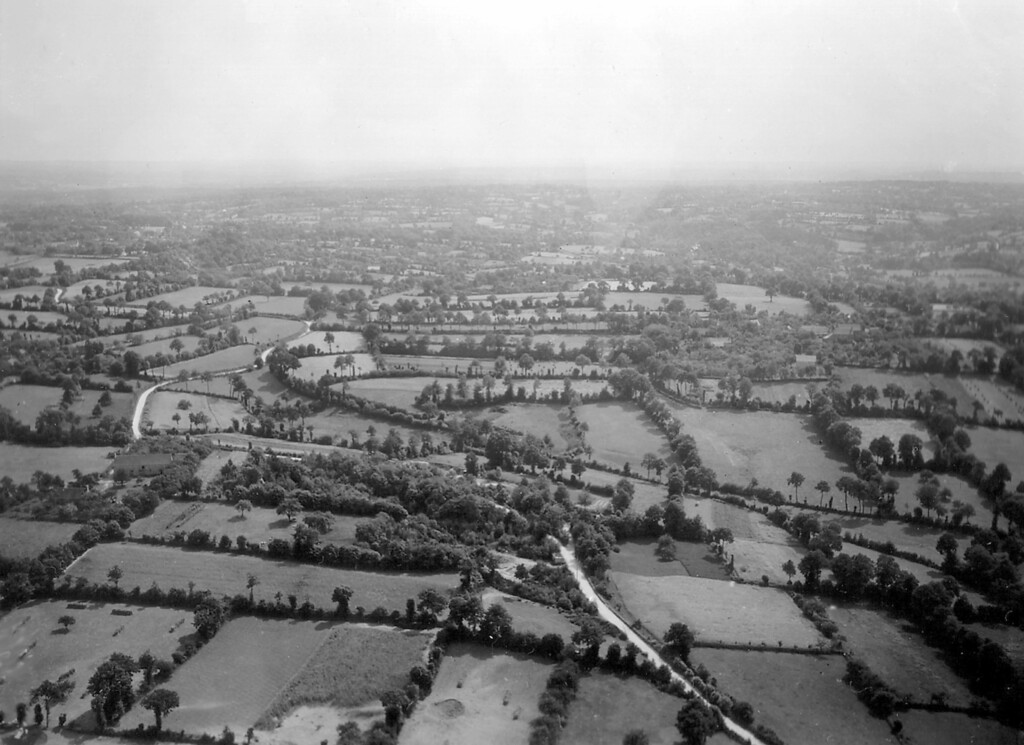
The result was one of France's most productive agricultural regions—but at a cost that would take decades to fully understand.
The Hidden Infrastructure of Hedgerows
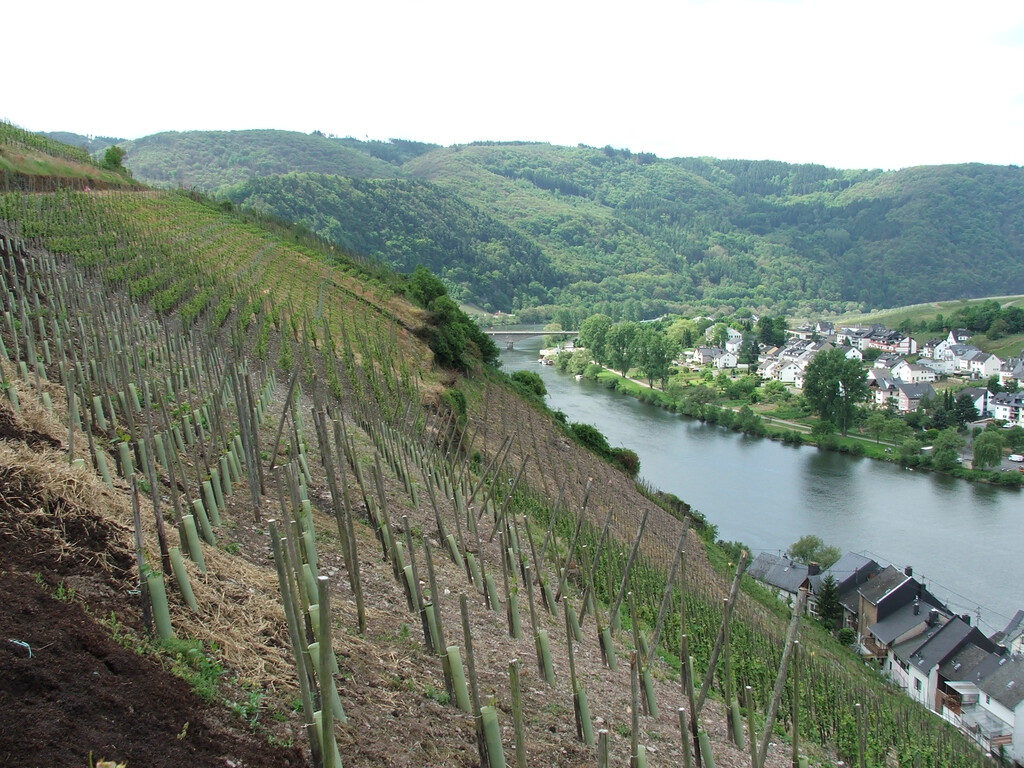
Initially, hedges were viewed merely as property divisions. But modern science has revealed they form a giant natural infrastructure capable of slowing rainfall, promoting water infiltration, and preventing soil, nitrates, and pesticides from rapidly reaching rivers.
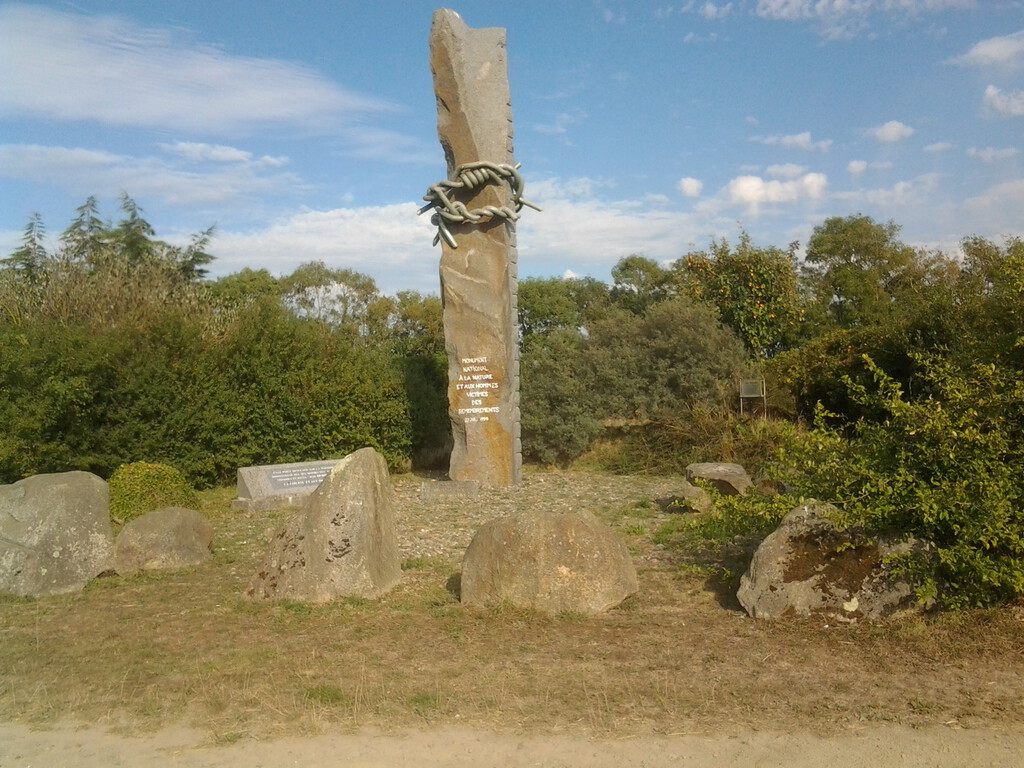
When hedgerows are removed, rain hits bare soil with full force. Instead of being absorbed, water runs off, carrying valuable topsoil and pollutants into waterways. This leads to eutrophication, flooding, and the loss of fertile land.
Researchers now recognize that the bocage was not just scenery—it was a sophisticated water management system refined over centuries.
Key Functions of Hedgerows in Agricultural Landscapes
- Rain interception: Hedges slow rainfall, reducing its kinetic energy and allowing gradual infiltration.
- Soil retention: Roots hold soil in place, preventing erosion during heavy storms.
- Pollutant filtration: Vegetation traps nitrates and pesticides before they enter rivers.
- Flood mitigation: By promoting infiltration, hedgerows reduce peak river flows downstream.
- Biodiversity support: Hedges provide habitat for pollinators, birds, and beneficial insects.
The Consequences of Removal
Brittany now faces recurring problems with algal blooms along its coasts, caused by nitrate runoff from agricultural fields. Flooding has become more severe, and soil erosion has degraded farmland. The very modernization that promised efficiency has created new, costly challenges.
In response, France has begun replanting hedgerows. The government now subsidizes hedge restoration, recognizing their role in achieving water quality targets and climate resilience. However, rebuilding a centuries-old landscape is slow and expensive. The background to this story is set out in London Ebike Seizures 2025: 3,000 Bikes Removed by Councils. A related thread runs through Karim Khan Ousted: ICC Prosecutor Removed for Misconduct. Earlier coverage in Energy Utilities: latest articles shows how the argument developed.
Hedgerow Removal vs. Retention: A Comparison
| Aspect | Hedgerow Removal | Hedgerow Retention |
|---|---|---|
| Field size | Larger, easier for machinery | Smaller, fragmented |
| Water infiltration | Reduced, more runoff | Enhanced, slower runoff |
| Soil erosion | Increased | Minimized |
| Nitrate pollution | Higher | Lower |
| Flood risk | Elevated downstream | Reduced |
| Biodiversity | Declines | Supports rich ecosystems |
| Long-term costs | High (flood damage, water treatment) | Low (natural services) |
What This Means for Modern Agriculture
France's experience offers a cautionary tale. Short-term efficiency gains can mask long-term environmental and economic costs. As climate change brings more extreme rainfall, the value of natural infrastructure like hedgerows only grows. A closer look at the same subject appears in Spain's Vineyards Are Disappearing: Can Genetic Engineering Save Wine. Anyone following the wider picture can start with European Bees Lost a Third of Their Range in a Century. The same theme surfaces in Solar Boom's Hidden Cost: Cheap Electricity Threatens New Park Profits, which takes a different angle.
Other regions considering similar land consolidation should take note: the bocage was not obsolete—it was simply misunderstood. Context on how this played out before sits in Macron's 'Vandals Pay' Bill Puts French Right to Protest at Risk. A companion piece, France Removed 12,000 km of Hedgerows, Then Learned Their True Value, approaches the same subject from another angle.
FAQ
Why did France remove so many hedgerows?
After World War II, France promoted agricultural mechanization. Small fields separated by hedges were consolidated into larger plots to accommodate tractors and heavy machinery, leading to the removal of about 70% of Brittany's bocage.
How do hedgerows prevent flooding?
Hedgerows slow rainfall and increase water infiltration into the soil. This reduces the volume and speed of runoff, lowering peak river flows and mitigating downstream flooding.
Are hedgerows making a comeback in France?
Yes. Recognizing their environmental benefits, France now subsidizes hedgerow replanting. However, restoring the historic bocage is a slow process, and full recovery may take decades.
What is bocage?
Bocage is a landscape of small fields separated by hedges, trees, and embankments, typical of Brittany and other parts of western France. It evolved over centuries as a practical system for farming and land management.
Browse the Shop
 Acacia frida deluxe solid wood bed frame |
Bedroom bench |
Bed chest drawers |
Lingerie dresser |
Frame base |
Mirror with jewelry storage |
30 Bathroom Vanity |
Memory foam queen mattress |
Mattresses for back pain |
Nightstand set of 2 |
Grand Goldman Shop |
Civil Lawyer
Deutschland Trikot WM 2026







