

The zoo hypothesis offers a provocative answer to Fermi's paradox: perhaps extraterrestrials know we exist but deliberately avoid contact, treating Earth like a cosmic zoo. This idea challenges our assumptions about intelligent life and our place in the universe.
Formulated in 1950 by physicist Enrico Fermi, the paradox asks: if life is common, where is everybody? The zoo hypothesis is one of many proposed solutions, and it recently gained attention at a METI (Messaging Extraterrestrial Intelligence) conference.
Find Original Home Decor sparking conversation at Grand Goldman Shop.

What Is the Zoo Hypothesis?
The zoo hypothesis proposes that advanced extraterrestrial civilizations are aware of humanity but choose not to interfere. They might observe us like we observe animals in a zoo, maintaining a hands-off policy to let us develop naturally.
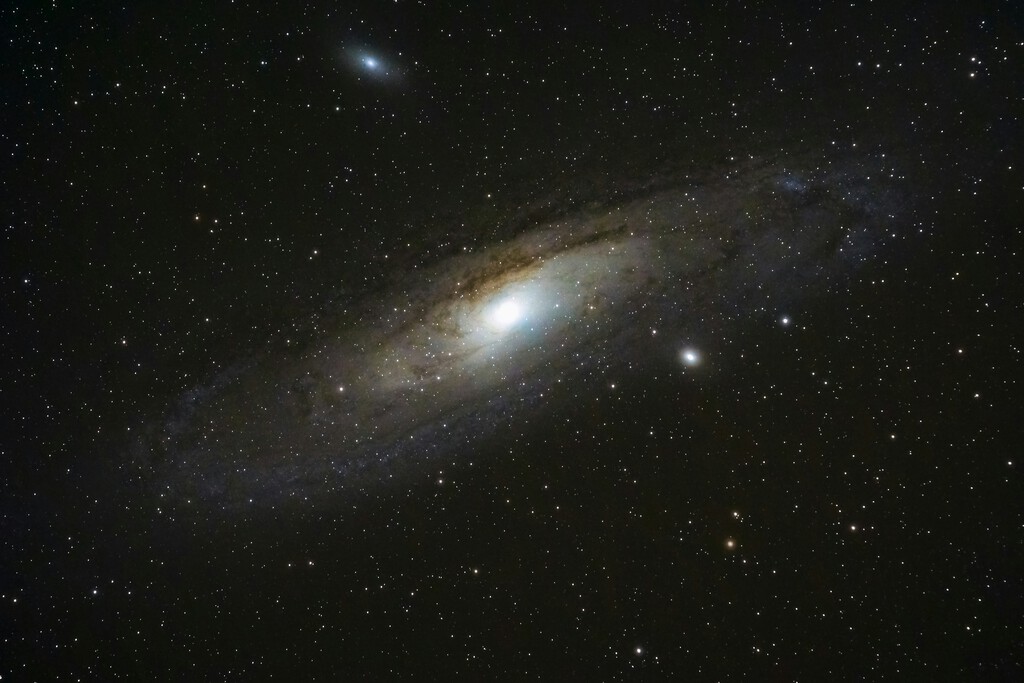
This theory was discussed at a biannual METI meeting titled "What is Life? An Extraterrestrial Perspective," where astrophysicists, biologists, sociologists, psychologists, and historians debated its implications. According to Cyril Birnbaum and Brigitte David speaking to Forbes, the conference approached the Fermi paradox from a scientific angle.
The Fermi Paradox: Where Is Everybody?
Enrico Fermi famously asked why, if extraterrestrial life is probable, we haven't seen any evidence of it. The paradox remains unresolved, and scientists continue to explore possible explanations.
One response is the zoo hypothesis, which suggests that aliens are intentionally avoiding contact. This idea was a key topic at the METI conference, where experts examined it alongside other hypotheses, such as the extraterrestrial origin of life on Earth.
Key Takeaways from the METI Conference
The METI meeting covered a range of intriguing topics within a scientific framework. Here are the main points discussed:
- Zoo hypothesis: Advanced aliens may know about us but refrain from contact.
- Debate over sending signals to space: Should we actively message extraterrestrials?
- Possible extraterrestrial origin of life on Earth (panspermia).
- Scientific analysis of the Fermi paradox and its implications.
- Interdisciplinary approach combining astrophysics, biology, and sociology.
Why Would Aliens Stay Silent?
If the zoo hypothesis is true, why would extraterrestrials avoid contact? Several reasons have been proposed. They might want to preserve our cultural evolution, or they might have a non-interference directive similar to Star Trek's Prime Directive.
Alternatively, they might see us as too primitive or dangerous. The silence could also be a form of protection—for us or for them.
Implications for Humanity
The zoo hypothesis forces us to reconsider our place in the cosmos. If we are being observed, it raises ethical questions about our behavior and our responsibility as a species.
It also affects the search for extraterrestrial intelligence (SETI) and METI efforts. Should we try to communicate, or should we wait for them to make the first move? The debate continues.
Comparison of Hypotheses
Several hypotheses attempt to resolve the Fermi paradox. The table below compares the zoo hypothesis with other prominent ideas. The background to this story is set out in Why Haven't We Found Aliens? The Fermi Paradox Explained. A related thread runs through Astrobiologists Divided on Extraterrestrial Life, Survey Finds.
| Hypothesis | Description | Key Proponents |
|---|---|---|
| Zoo Hypothesis | Aliens know of us but avoid contact to let us evolve naturally. | Discussed at METI |
| Rare Earth | Complex life is extremely rare; Earth is unique. | Peter Ward, Donald Brownlee |
| Great Filter | A barrier prevents civilizations from advancing to interstellar travel. | Robin Hanson |
| Panspermia | Life spreads between planets via meteoroids. | Various |
What to Watch Next
As scientists continue to explore the zoo hypothesis, future METI conferences and SETI observations may provide new insights. The discovery of biosignatures on exoplanets or unusual signals could shift the debate. Earlier coverage in Extraterrestrial Life Discovery: Three Political Scenarios shows how the argument developed. A closer look at the same subject appears in Science: latest articles.
Meanwhile, the ethical and practical questions about contacting extraterrestrials remain open. The zoo hypothesis reminds us that the universe may be full of life, but we might be kept in the dark for our own good. Anyone following the wider picture can start with Hayabusa2 Asteroid Samples Reveal Key Building Blocks of Life. The same theme surfaces in Gypsum Time Capsule in Chile Brings Us Closer to Finding Life on Mars, which takes a different angle.
FAQ
What is the zoo hypothesis?
The zoo hypothesis suggests that advanced extraterrestrial civilizations are aware of humanity but choose not to make contact, allowing us to develop without interference. It is one proposed solution to the Fermi paradox.
Why is the Fermi paradox important?
The Fermi paradox highlights the contradiction between the high probability of extraterrestrial life and the lack of evidence for it. It drives scientific inquiry into the nature of life in the universe.
What was discussed at the METI conference?
The METI conference covered topics such as the zoo hypothesis, the debate over sending signals to space, and the possible extraterrestrial origin of life on Earth, with input from various scientific disciplines.
Could the zoo hypothesis be true?
It is a speculative but scientifically plausible idea. Without evidence, it remains one of many hypotheses, but it encourages us to think critically about our place in the cosmos.
While the zoo hypothesis remains speculative, it raises important questions about our approach to extraterrestrial life. As we continue to explore, we must consider the ethical implications of contact. For a related take on how environmental factors shape health, see Finlandia demuestra que los parques infantiles de caucho son menos saludables, which shows how scientific research informs policy.
Browse the Shop
 Acacia frida deluxe solid wood bed frame |
Bedroom bench |
Bed chest drawers |
Lingerie dresser |
Frame base |
Mirror with jewelry storage |
30 Bathroom Vanity |
Memory foam queen mattress |
Mattresses for back pain |
Nightstand set of 2 |
Grand Goldman Shop |
Civil Lawyer
Deutschland Trikot WM 2026







