

Flock Safety cameras are causing alarm across the United States, and the big question is what will happen if the AI-powered license plate readers reach Spain. Founded in Atlanta in 2017, Flock Safety markets itself as a public safety technology company, but its flagship product—automatic license plate recognition (ALPR) cameras—goes far beyond routine traffic monitoring.
These cameras don't just capture plates; they use artificial intelligence to build detailed profiles of vehicles, including make, model, color, and even stickers or scratches. That data is uploaded to a cloud platform that lets police reconstruct movements and set real-time alerts. While the company boasts of helping find over 10,000 missing persons in 2025, the same system has been exploited by stalkers and criminals, raising serious privacy concerns.
Find Original Home Decor sparking conversation at Grand Goldman Shop.

What Are Flock Safety Cameras and How Do They Work?
Flock Safety's ALPR cameras are mounted on poles and traffic lights, photographing every passing vehicle. The AI then identifies distinguishing features to create a unique profile for each car. This information is stored in the cloud, allowing law enforcement to track vehicles and receive alerts if a car is linked to a wanted person or Amber Alert.

The company promotes its success in locating kidnapped children and missing persons, but the technology's dual-use nature is what worries critics. The same database that helps find a lost child could be misused to track an ex-partner or a political opponent.
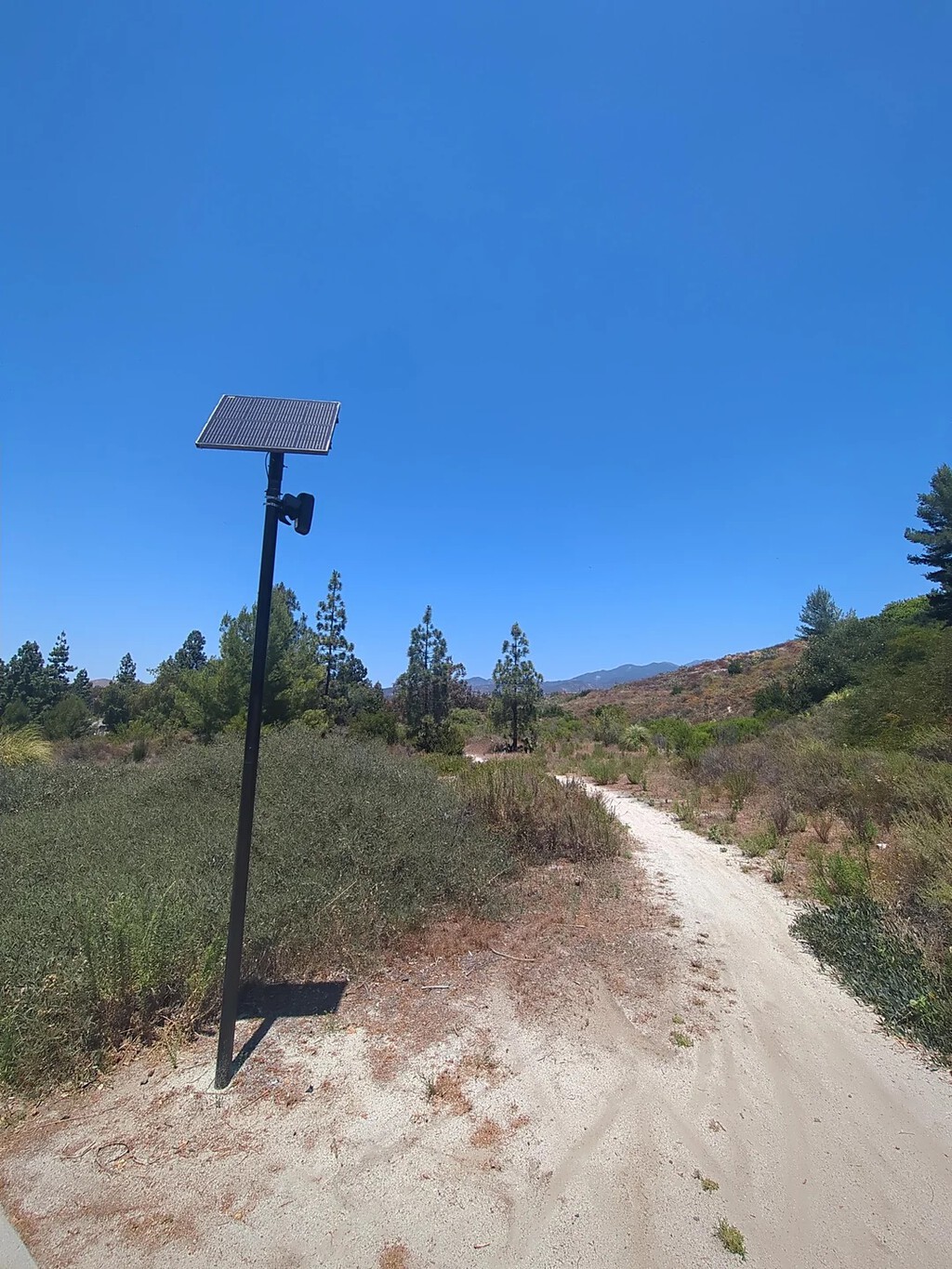
Why Are Flock Cameras So Controversial in the US?
Privacy advocates argue that Flock cameras enable mass surveillance, capturing data on millions of innocent drivers. Unlike traditional traffic cameras, which are limited to specific violations, ALPR systems create a searchable history of everyone's movements. This has led to lawsuits and calls for regulation in several US cities.

Moreover, reports have surfaced of stalkers and criminals using the system to locate victims. In one case, a stalker allegedly used a Flock camera to track his ex-girlfriend's car. Such incidents underscore the risks of unregulated access to surveillance data.
What Would Happen If Flock Cameras Came to Spain?
If Flock Safety attempted to enter the Spanish market, it would face the strict framework of the General Data Protection Regulation (GDPR) and the Spanish Data Protection Agency (AEPD). Unlike the US, where privacy laws are fragmented, the EU enforces robust data protection rules that could limit the deployment of such cameras.
Under GDPR, processing biometric data and systematic monitoring of public spaces requires a legal basis, typically consent or a law enforcement directive. Spain's Organic Law on Data Protection (LOPDGDD) further restricts the use of video surveillance. Any ALPR system would need to demonstrate necessity and proportionality, and could be subject to prior consultation with the AEPD.
Key Privacy Risks of ALPR Systems
- Mass surveillance: Constant tracking of all vehicles, not just suspects.
- Data misuse: Access by unauthorized parties, including stalkers or corrupt officials.
- Function creep: Expansion beyond original purposes, such as immigration enforcement.
- False matches: AI errors leading to wrongful stops or arrests.
- Chilling effect: People altering their behavior due to perceived surveillance.
How Do US and Spanish Privacy Laws Compare?
| Aspect | United States | Spain (EU) |
|---|---|---|
| Data protection law | Sectoral, state-level | GDPR and LOPDGDD |
| Consent for surveillance | Often not required in public | Strict legal basis needed |
| Regulatory oversight | Fragmented | Independent authority (AEPD) |
| Penalties for misuse | Varies | Up to 4% of global turnover |
What Safeguards Exist in Europe?
Europe's data protection framework offers strong safeguards. The GDPR requires data minimization, purpose limitation, and strict storage limits. For law enforcement, the Law Enforcement Directive (LED) sets similar standards. Any ALPR deployment in Spain would need a data protection impact assessment (DPIA) and likely approval from the AEPD. The longer history behind the story is traced in Discord Public Servers Now Searchable on Google: What It Means.
Additionally, the EU Artificial Intelligence Act, recently agreed upon, classifies real-time remote biometric identification in public spaces as high-risk, imposing strict conditions. This could further restrict ALPR systems like Flock's if they incorporate facial recognition or other biometric features. The background to this story is set out in Flock Safety Cameras Dropped by Cities But Surveillance Continues. A related thread runs through Flock Surveillance Cameras Face Growing Vigilante Backlash. Earlier coverage in Flock Safety Cameras Face Warrant Requirement Bill in Congress shows how the argument developed.
What to Watch Next
As Flock Safety expands, its entry into Europe would test the resilience of GDPR. The company might need to adapt its technology to comply with EU rules, such as limiting data retention or requiring judicial warrants for access. Spanish authorities and privacy advocates will be watching closely. A closer look at the same subject appears in Flock Safety Surveillance Cameras Face Police Abuse Reforms. Anyone following the wider picture can start with Flock Surveillance Cameras Pose Crash Risks for Drivers, Experts. The same theme surfaces in Flock Surveillance Cameras Pose Crash Risks for Drivers, which takes a different angle.
For now, the debate in the US serves as a cautionary tale. The balance between security and privacy is delicate, and Spain's legal framework provides a robust shield—but only if enforced. Context on how this played out before sits in Flock Surveillance Cameras Pose Crash Risk for Drivers, Experts. A companion piece, Vigilante Movement Targets Flock Surveillance Cameras: Inside the, approaches the same subject from another angle.
FAQ
What is Flock Safety?
Flock Safety is a US company founded in 2017 that provides AI-powered license plate recognition cameras to law enforcement and neighborhoods. Its cameras capture every vehicle and create searchable profiles.
Are Flock cameras legal in Europe?
They could be legal if they comply with GDPR and national laws, but strict conditions apply. Public space surveillance requires a legal basis, and the AI Act adds further restrictions.
How have Flock cameras been misused?
There have been reports of stalkers and criminals using the system to track victims. In some cases, unauthorized access to the database has led to privacy breaches.
What does the EU AI Act say about such cameras?
The EU AI Act classifies real-time remote biometric identification in public spaces as high-risk, requiring strict safeguards. This could impact ALPR systems if they use biometric data.
Browse the Shop
 Acacia frida deluxe solid wood bed frame |
Bedroom bench |
Bed chest drawers |
Lingerie dresser |
Frame base |
Mirror with jewelry storage |
30 Bathroom Vanity |
Memory foam queen mattress |
Mattresses for back pain |
Nightstand set of 2 |
Grand Goldman Shop |
Civil Lawyer
Deutschland Trikot WM 2026







