

China has achieved a significant naval milestone with its 40,000-ton amphibious assault ship, the Sichuan, successfully launching and recovering a stealth combat drone. This development marks a potential shift in naval warfare, as it combines amphibious capabilities with carrier-like aviation technology. The United States is closely watching, as this could signal a Chinese lead in a capability the US Navy once explored but abandoned.
What Is the Type 076 Sichuan?
The Sichuan is the first of China's Type 076 amphibious assault ships, designated hull number 51. With an estimated displacement of around 40,000 tons, it traditionally would carry troops, helicopters, and landing craft. However, China has equipped it with a large flight deck, hangar, elevators, and notably, an electromagnetic catapult and arresting gear. This makes it a hybrid platform capable of launching and recovering fixed-wing aircraft, a role usually reserved for aircraft carriers.
Find Original Home Decor sparking conversation at Grand Goldman Shop.

The Game-Changing First Flight
According to Chinese state media, the Sichuan recently conducted its first launch and recovery of a stealth combat drone. This achievement demonstrates that the ship can operate unmanned aerial systems (UAS) that are stealthy and capable of combat missions. The drone likely belongs to China's growing fleet of advanced UAVs, such as the GJ-11 Sharp Sword, which features stealth characteristics.
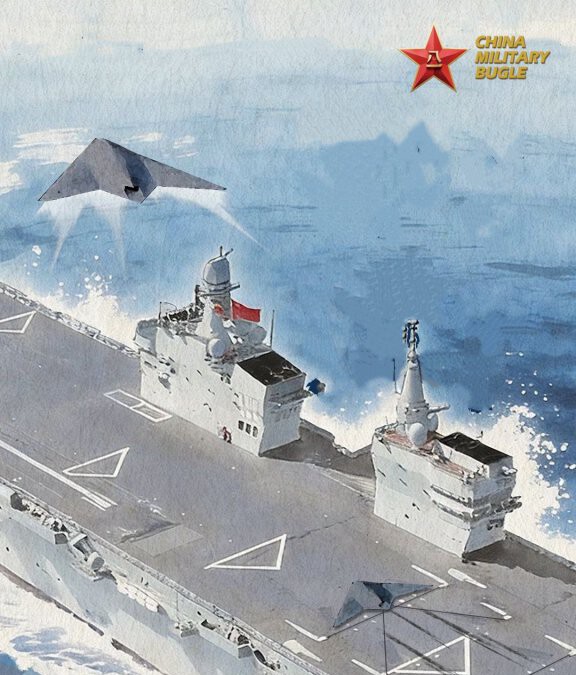
This capability extends the ship's reach and versatility, allowing it to conduct aerial reconnaissance and strike missions beyond traditional amphibious operations. It also reduces the risk to manned aircraft and crews.
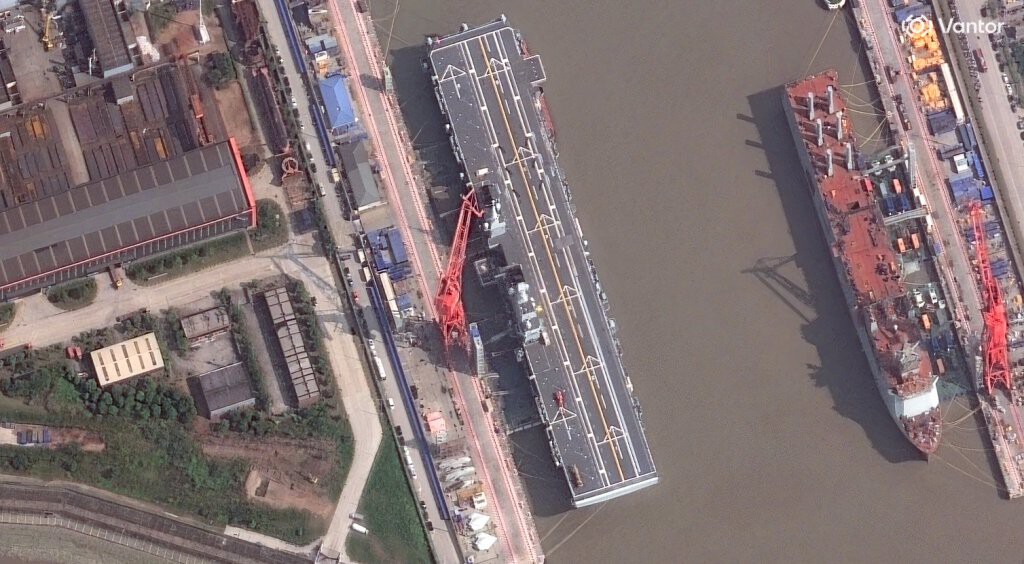
Why This Matters for the US Navy
The US Navy has long been interested in operating drones from amphibious ships. In fact, the US Marine Corps experimented with the X-47B unmanned combat aerial vehicle (UCAV) from an amphibious assault ship in 2013. However, the program was eventually canceled, and the US has not fielded a stealth combat drone from such vessels. China's success suggests it may be leapfrogging the US in this niche, potentially altering the balance of power in the Pacific.
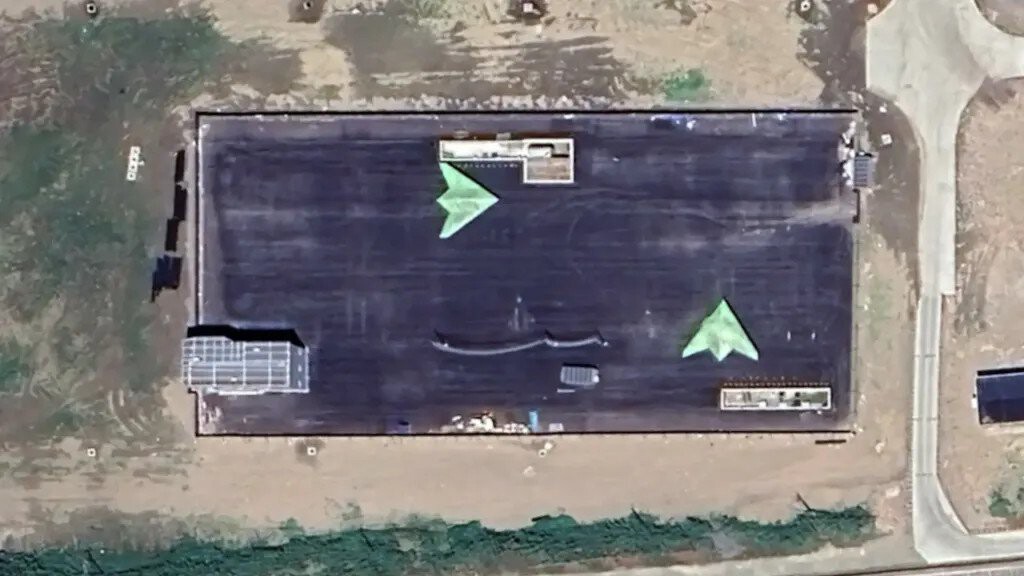
The Type 076 could serve as a drone carrier, providing a cheaper alternative to full-size aircraft carriers while still projecting power. This could allow China to deploy stealth drones in contested areas, enhancing its anti-access/area denial (A2/AD) strategy. The background to this story is set out in China's Premium Shift: How Made in China Shed Its Copycat Past. A related thread runs through Trending: latest articles. Earlier coverage in North Korea's New Frigate: Heavy Machine Guns vs Drones shows how the argument developed.
Key Takeaways
- China's Type 076 Sichuan is a 40,000-ton amphibious assault ship with a catapult and arresting gear, enabling fixed-wing aircraft operations.
- It has successfully launched and recovered a stealth combat drone, a first for an amphibious vessel.
- The US Navy explored similar concepts but did not deploy them, potentially giving China an edge.
- This development enhances China's power projection and could challenge US naval dominance in the Indo-Pacific.
Comparison: Type 076 vs. US Wasp-Class Amphibious Assault Ship
| Feature | Type 076 (China) | Wasp-Class (US) |
|---|---|---|
| Displacement | ~40,000 tons | ~40,500 tons |
| Catapult | Electromagnetic | None (STOVL only) |
| Arresting Gear | Yes | No |
| Fixed-Wing Aircraft | Stealth drones (e.g., GJ-11) | AV-8B Harrier, F-35B (STOVL) |
| Primary Role | Amphibious assault, drone carrier | Amphibious assault, light carrier |
What to Watch Next
China is likely to continue testing and refining drone operations from the Sichuan. The integration of stealth drones with amphibious ships could lead to new tactics and force structures. The US Navy may need to accelerate its own unmanned aviation efforts to keep pace. Meanwhile, allies in the region will be monitoring China's progress closely, as the Type 076 could be deployed in the South China Sea or Taiwan Strait. A closer look at the same subject appears in USS Zumwalt: Hypersonic Rescue for a $7 Billion Destroyer. Anyone following the wider picture can start with UK Navy Drone Boats Found Sending Signals to China. The same theme surfaces in Japan's Submarine Aircraft Carriers: WWII's Secret Weapon, which takes a different angle.
The development also raises questions about the future of naval aviation: will drones eventually replace manned aircraft on smaller carriers? China's experiment provides a glimpse into that future. Context on how this played out before sits in China's Delivery Drone Doubles as Flood Rescue Hero. A companion piece, China's 40,000-Ton Amphibious Ship Launches Stealth Drone, approaches the same subject from another angle.
FAQ
What is the Type 076 Sichuan?
The Type 076 Sichuan is China's newest amphibious assault ship, displacing about 40,000 tons. It features an electromagnetic catapult and arresting gear, allowing it to operate fixed-wing aircraft, including stealth drones.
What drone was launched from the Sichuan?
China has not specified the exact drone model, but it is likely a stealth combat drone similar to the GJ-11 Sharp Sword, which is designed for penetration and strike missions.
Why is this a concern for the US Navy?
The US Navy previously experimented with operating UCAVs from amphibious ships but canceled the program. China's success indicates it may have surpassed the US in this capability, potentially giving it a new way to project power.
How does the Type 076 compare to an aircraft carrier?
While the Type 076 is smaller than China's aircraft carriers, its catapult and arresting gear allow it to operate fixed-wing drones, making it a versatile hybrid. It is not a full replacement for a carrier but complements the fleet.
China's advancements in naval drone technology are part of a broader push to modernize its military. For context on how China is investing in cutting-edge energy and defense projects, see our coverage of China's 582-ton magnet for artificial sun fusion energy. Such large-scale engineering feats underscore the country's ambition to lead in multiple high-tech domains.
The successful drone launch from the Sichuan is a reminder that the US and its allies must innovate rapidly to maintain their edge. As China continues to test and deploy new systems, the balance of naval power in the Pacific may shift. Staying informed about these developments is crucial for policymakers and defense analysts alike.
Browse the Shop
 Acacia frida deluxe solid wood bed frame |
Bedroom bench |
Bed chest drawers |
Lingerie dresser |
Frame base |
Mirror with jewelry storage |
30 Bathroom Vanity |
Memory foam queen mattress |
Mattresses for back pain |
Nightstand set of 2 |
Grand Goldman Shop |
Civil Lawyer
Deutschland Trikot WM 2026







