

Extreme heat is threatening mussel farms in the Ebro Delta, forcing aquaculture farmers to consider oysters as a potential solution. At the start of July, with summer just beginning, aquaculturists in the Ebro Delta warned that this would be a special year for mussel farms—and not in a good way. A heatwave pushed water temperatures above 28°C (82°F) for several consecutive days, creating conditions in which the bivalves cannot survive.
"We detected the mortality two days after San Juan, and this had never happened before," industry representatives warned. The situation did not improve in the following weeks, deepening a problem that the sector has been facing for years and is now pushing them to seek alternatives. One of those alternatives involves giving more prominence to oysters.
Find Original Home Decor sparking conversation at Grand Goldman Shop.

What Happened: Extreme Heat Devastates Mussel Farms
Mussel farmers in the Ebro Delta are finding it increasingly difficult to operate in a region that is not immune to climate change. The industry has been repeating this for several years, but the situation appears to be worsening over time. At the beginning of summer, Gerardo Bonet, spokesperson for the federation of mollusk producers in the region (Fepromodel), warned that mussel mortality had come earlier than usual.
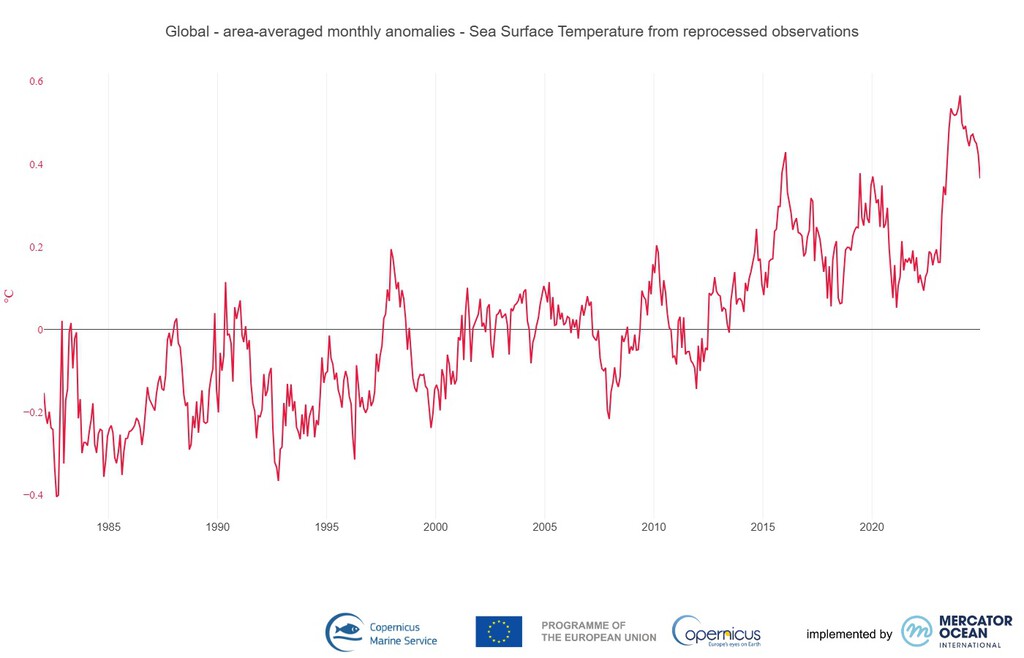
A few weeks ago, the ACN agency confirmed a devastating outlook for the owners of the mussel rafts, with severe production losses and increased costs. The data handled by the sector is certainly concerning. After the extreme heat events, production has plummeted, and farmers are struggling to keep their businesses afloat.
Why This Matters: The Broader Impact on Aquaculture
The Ebro Delta is one of the most important aquaculture regions in Spain, and mussel farming is a key economic driver for local communities. The loss of mussel production affects not only the farmers but also the entire supply chain, from distributors to restaurants and consumers. Rising water temperatures due to climate change are making traditional mussel farming increasingly unsustainable.
Moreover, the increased costs associated with managing mortality and reduced yields are squeezing profit margins, making it harder for small-scale farmers to survive. This situation is a stark reminder of how climate change is directly impacting food production and local economies.
Oysters as a Potential Solution
As mussel farming becomes more challenging, some in the industry are looking to oysters as a viable alternative. Oysters are generally more resilient to higher water temperatures and could offer a way to diversify production and stabilize income for farmers. However, switching to oyster farming is not without its challenges.
Oysters require different cultivation techniques and market conditions, and farmers would need support to make the transition. Additionally, the demand for oysters may not match that of mussels, so market development would be crucial. Despite these hurdles, the potential for oysters to thrive in warmer waters makes them an attractive option for an industry in crisis. The background to this story is set out in Pickled Mussel Potato Salad Recipe: Spanish Tapas Classic. A related thread runs through Cream of Mussel Soup Recipe: Elegant Spanish Starter. Earlier coverage in Kent Oyster Shack Expansion Plan Sparks Local Backlash shows how the argument developed.
- Water temperatures above 28°C are lethal for mussels, causing mass mortality events.
- Mussel mortality has occurred earlier than usual, starting right after San Juan (June 24).
- The Ebro Delta mussel industry is facing severe production losses and rising costs.
- Oysters are being considered as a more heat-tolerant alternative for aquaculture.
- Transitioning to oysters requires new techniques, market development, and support for farmers.
Comparing Mussel and Oyster Farming in the Ebro Delta
| Aspect | Mussels | Oysters |
|---|---|---|
| Temperature Tolerance | Low (struggle above 28°C) | Higher (more resilient to warm water) |
| Current Production Status | Severe losses due to heatwaves | Limited but growing interest |
| Cultivation Techniques | Rafts (bateas) | Different methods (e.g., bags, racks) |
| Market Demand | Established and high | Niche but potential for growth |
| Economic Impact | Major source of income | Alternative revenue stream |
What to Watch Next
The coming months will be critical for the Ebro Delta aquaculture industry. Farmers and industry representatives are calling for government support and research into heat-resistant mussel varieties. At the same time, pilot projects for oyster farming may provide valuable insights into the feasibility of this alternative. A closer look at the same subject appears in Trending: latest articles. Anyone following the wider picture can start with Extreme Heat Is Boosting Cold Vacations in Scotland and Hurting Spain. The same theme surfaces in Everest Base Camp Melting Faster Due to 6,000 Liters of Urine Daily, which takes a different angle.
Consumers and businesses reliant on Ebro Delta mussels should prepare for potential shortages and price increases. The situation also highlights the urgent need for climate adaptation strategies in coastal communities worldwide. Context on how this played out before sits in Granada Divers Now See Giant Manta Rays Their Fathers Never. A companion piece, Extreme Heat Threatens Ebro Delta Mussels, Oysters Eyed as Solution, approaches the same subject from another angle.
FAQ
Why are mussels dying in the Ebro Delta?Mussels are dying due to extreme heatwaves that raise water temperatures above 28°C for several days. These conditions are lethal for the bivalves, causing mass mortality events that have occurred earlier than usual this year.
Mussels are dying due to extreme heatwaves that raise water temperatures above 28°C for several days. These conditions are lethal for the bivalves, causing mass mortality events that have occurred earlier than usual this year.
How are oysters a solution to the mussel crisis?Oysters are more tolerant of higher water temperatures, making them a potentially viable alternative for farmers facing mussel losses. However, transitioning to oyster farming requires different techniques and market development.
Oysters are more tolerant of higher water temperatures, making them a potentially viable alternative for farmers facing mussel losses. However, transitioning to oyster farming requires different techniques and market development.
What is the economic impact of the mussel mortality?The mussel mortality has led to severe production losses and increased costs for farmers. This affects the entire supply chain, from producers to distributors and consumers, and threatens the livelihoods of local communities dependent on aquaculture.
The mussel mortality has led to severe production losses and increased costs for farmers. This affects the entire supply chain, from producers to distributors and consumers, and threatens the livelihoods of local communities dependent on aquaculture.
What can be done to help the mussel farmers?Support measures could include government aid, research into heat-resistant mussel varieties, and investment in alternative aquaculture such as oyster farming. Adaptation strategies are essential to ensure the sustainability of the industry in the face of climate change.
Support measures could include government aid, research into heat-resistant mussel varieties, and investment in alternative aquaculture such as oyster farming. Adaptation strategies are essential to ensure the sustainability of the industry in the face of climate change.
Browse the Shop
 Acacia frida deluxe solid wood bed frame |
Bedroom bench |
Bed chest drawers |
Lingerie dresser |
Frame base |
Mirror with jewelry storage |
30 Bathroom Vanity |
Memory foam queen mattress |
Mattresses for back pain |
Nightstand set of 2 |
Grand Goldman Shop |
Civil Lawyer
Deutschland Trikot WM 2026







