

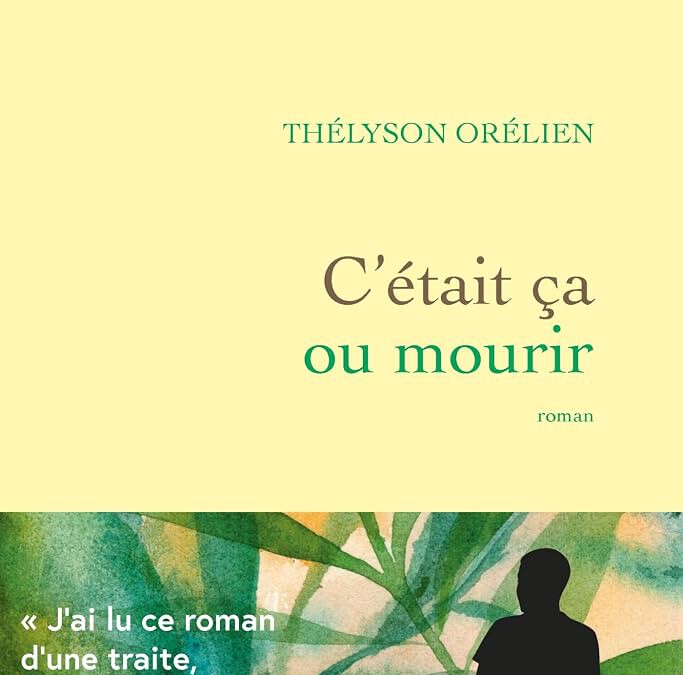
The French literary world is embroiled in controversy as Thélyson Orélien's award-winning novel faces accusations of being written with artificial intelligence. The novel, C'était ça ou mourir ('It Was That or Die'), won the Fnac Novel Prize on September 21, but the same day, an anonymous X account with only 92 followers (now nearly 9,000) accused Orélien of using AI to write his first novel. The tweet garnered over three million views, sparking a heated debate about authenticity and creativity in literature.
Orélien, a 38-year-old Haitian exile who arrived in Quebec in 2010, is no newcomer to writing. He has published poetry collections and an essay on racism and memory. His novel tells the story of Jonas Dorléon, a history professor from Port-au-Prince who flees gangs and crosses twelve countries, including the Darién Gap, to reach Canada. It has sold around 35,000 copies, has translation offers for about twenty languages, and is competing for major French literary awards such as the Goncourt, Médicis, Femina, and Renaudot. The accusations, however, have cast a shadow over these achievements.
Find Original, High-end Home Decor that spark conversation at Grand Goldman Shop.
The Accusations and the Evidence
The anonymous account's thread pointed to specific stylistic elements as signs of AI generation: too many metaphors comparing grandmothers to rice, paragraph endings with moral lessons, and a catalog-like musicality. The use of correctio (the rhetorical device of "not X, but Y") topped the list of suspicious patterns. These features, the accuser argued, are typical of AI writing, which often relies on formulaic structures and overused tropes.
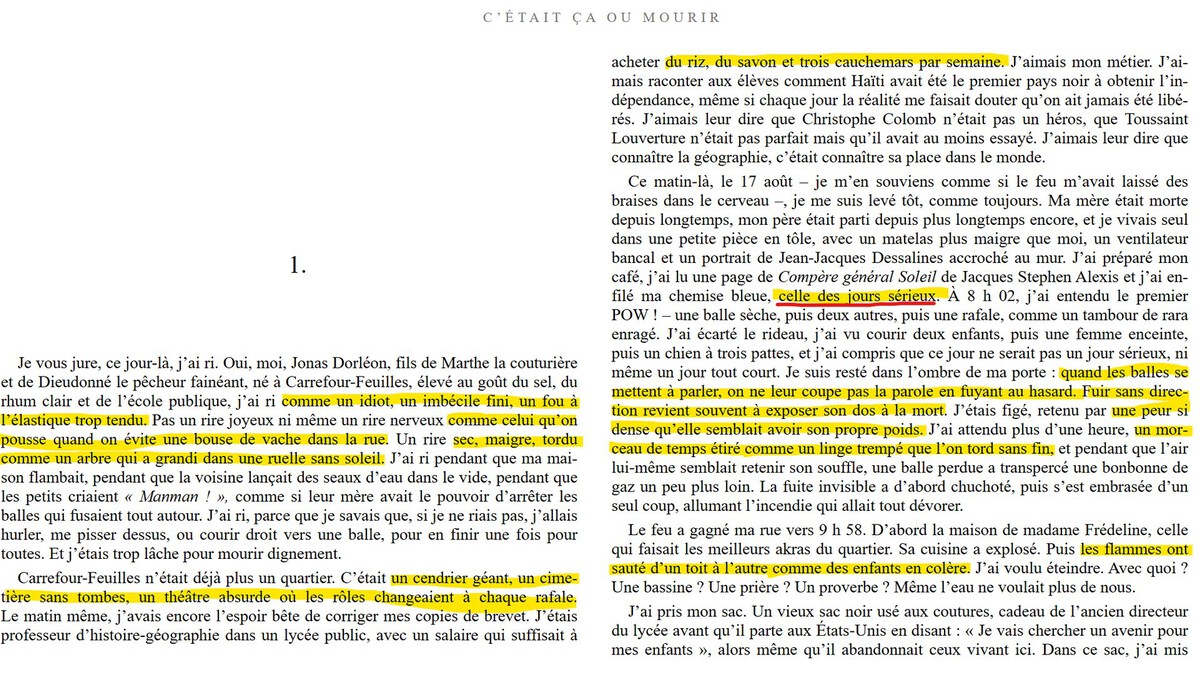
Orélien has denied the allegations, but the debate has intensified. Supporters point to his established literary background and the deeply personal nature of the story, which draws on his own experiences as a Haitian immigrant. Critics, however, question whether the novel's polished but somewhat generic style could indicate AI assistance. The controversy raises broader questions about the role of AI in creative writing and how we define authorship.
Why This Matters for Literature
This isn't the first time AI accusations have rocked the literary world. As AI writing tools become more sophisticated, distinguishing between human and machine-generated text is increasingly difficult. The case highlights several critical issues:
- Authenticity and trust: Readers and publishers rely on the assumption that literary works are human-created. AI accusations can damage an author's reputation and undermine trust.
- Detection challenges: AI detectors are imperfect, and stylistic analysis is subjective. Proving or disproving AI use is often impossible.
- Creative process: AI can be a tool for brainstorming or editing, blurring the line between assistance and generation.
- Market impact: Awards and sales can be influenced by such controversies, affecting an author's career.
- Ethical guidelines: The industry lacks clear standards for AI use in writing, leaving room for ambiguity and conflict.
Who Is Affected?
The implications extend beyond Orélien. Publishers, literary agents, and award committees must navigate a landscape where AI-generated text is plausible. Readers may become more skeptical, demanding transparency about creative processes. Authors who use AI ethically—for research or editing—might face unfair suspicion. Meanwhile, the anonymity of accusers like the X account raises concerns about trial by social media, where allegations can go viral without evidence. Context on how this played out before sits in French Novel Accused of AI Writing: The Literary World's Dilemma.
Orélien's case also intersects with issues of race and immigration. As a Haitian exile writing about the migrant experience, he is already in a vulnerable position. The accusations could be seen as undermining a marginalized voice, though the accuser remains anonymous. The novel's success and its critique of Trump-era policies add political dimensions to the debate. The background to this story is set out in AI Writing Scandal Rocks French Literary Prize Goncourt. A related thread runs through AI Use in Writing: $2M Crime Novel Deal Collapses.
What to Watch Next
The controversy is far from resolved. Orélien's publisher has stood by him, and the awards committees are reportedly investigating. The outcome could set a precedent for how the literary world handles AI suspicions. Key developments to monitor include: Earlier coverage in Trending: latest articles shows how the argument developed. A closer look at the same subject appears in How Germany Sank Its Own Fleet in 1919 and Created a Nuclear Treasure.
| Aspect | Details |
|---|---|
| Author's response | Orélien has denied the accusations but may provide further evidence or explanations. |
| Publisher's stance | The publisher's support is crucial; they may conduct an internal review. |
| Award decisions | Goncourt, Médicis, Femina, and Renaudot committees may delay or reconsider nominations. |
| Public opinion | Social media debate could influence sales and reputation. |
| Industry response | Possible new guidelines for AI disclosure in publishing. |
As the literary community grapples with these questions, the case of Thélyson Orélien serves as a cautionary tale. It underscores the need for clear ethical standards and robust detection methods. Whether or not the accusations prove true, the conversation about AI in literature is here to stay. Anyone following the wider picture can start with Spain's Illegal Irrigation: 80,000 Hectares of Crops Using Stolen Water. The same theme surfaces in ASUS Zenbook 14: Premium Power and Battery Life at a Budget Price, which takes a different angle.
FAQ
What is Thélyson Orélien accused of?
He is accused of using artificial intelligence to write his award-winning novel, C'était ça ou mourir. The accusation was made by an anonymous X account and went viral.
What evidence supports the AI accusations?
The accuser cited stylistic patterns such as overused metaphors, moralizing paragraph endings, and the correctio rhetorical device, which are common in AI-generated text.
How has Orélien responded?
Orélien has denied the allegations, and his publisher has expressed support. However, no definitive proof has been presented either way.
Why is this controversy significant?
It highlights the growing challenges of distinguishing human from AI writing, the lack of industry standards, and the potential impact on authors' reputations and literary awards.
Browse the Shop
 Acacia frida deluxe solid wood bed frame |
Bedroom bench |
Bed chest drawers |
Lingerie dresser |
Frame base |
Mirror with jewelry storage |
30 Bathroom Vanity |
Memory foam queen mattress |
Mattresses for back pain |
Nightstand set of 2 |
Grand Goldman Shop |
Civil Lawyer
Deutschland Trikot WM 2026










