

In 1919, Germany made a desperate decision to prevent the victorious Allies from seizing its fleet: it sank it. In just a few hours, dozens of battleships, cruisers, and destroyers disappeared beneath the waters of Scapa Flow. What no one could have imagined was that, 26 years later, the dawn of the nuclear age would transform some of the steel from those doomed ships into an especially valuable material for science.
The Scuttling of the German Fleet at Scapa Flow
After the armistice of November 1918, 74 ships of the German High Seas Fleet were interned at Scapa Flow, north of Scotland, while the victors debated what to do with them. France and Italy wanted to divide some of the ships, while the United Kingdom preferred to prevent them from reinforcing other navies. Rear Admiral Ludwig von Reuter feared precisely that these giants would end up sailing under enemy flags and decided to prevent it on his own.
Find Original, High-end Home Decor that spark conversation at Grand Goldman Shop.
Von Reuter had been preparing the scuttling for weeks and had sent secret instructions to his commanders, ironically using even British vessels to transport some of his correspondence. On the morning of June 21, 1919, most of the British force left Scapa Flow for exercises, and the German saw his opportunity. At 10:30, the signal went out from the cruiser Emden.
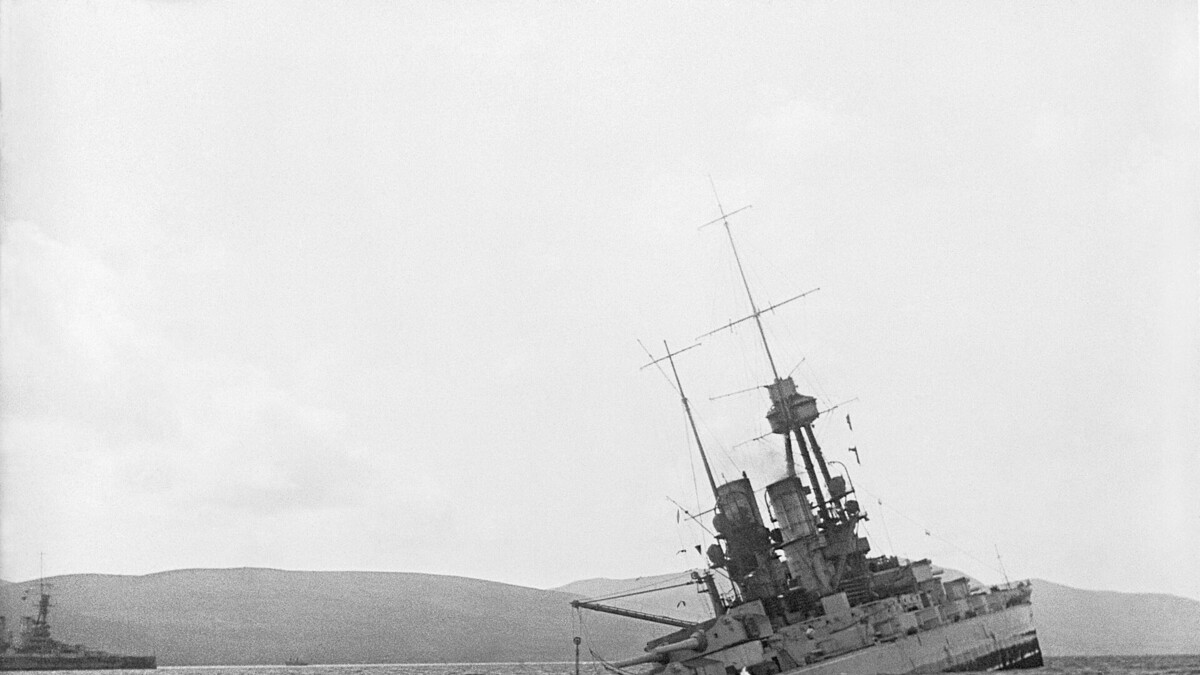
Why the Fleet Was Scuttled
The decision was born out of desperation and pride. Rather than see their ships fall into enemy hands, the German commanders chose to destroy them. This act of defiance was a final blow from a defeated nation, and it shocked the world.
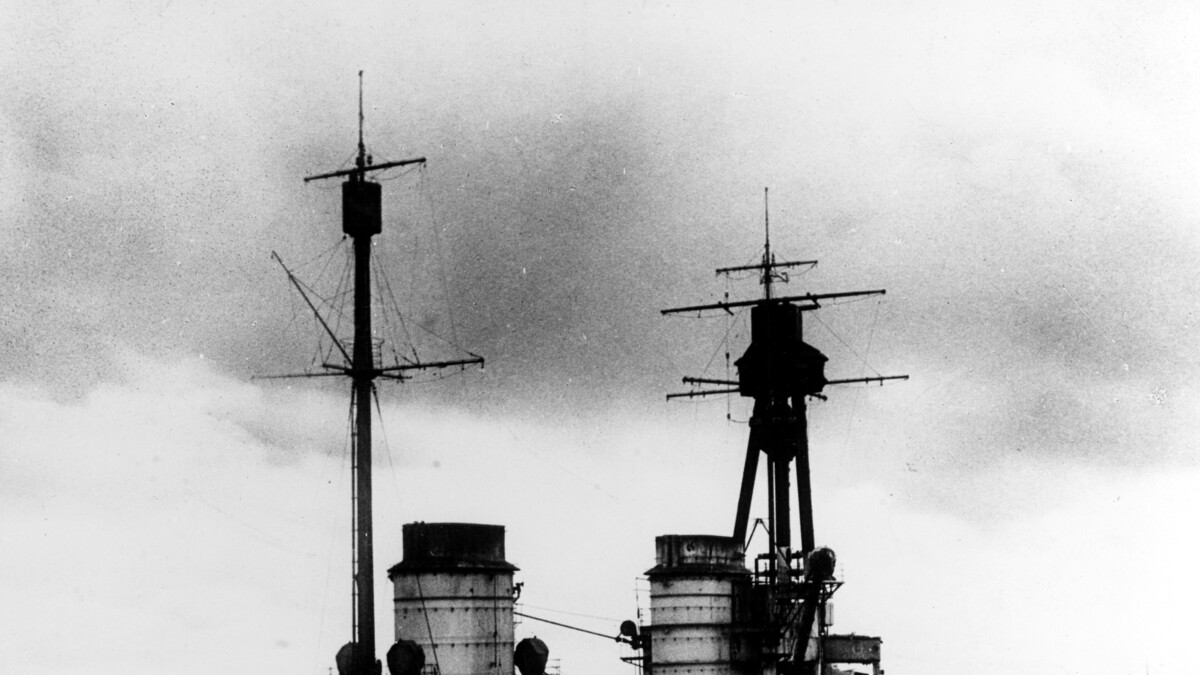
The scuttling was a direct violation of the armistice terms, but there was little the British could do to stop it once it began. The German sailors had meticulously planned the operation, and within hours, the pride of the German navy was reduced to a pile of twisted metal on the seabed.
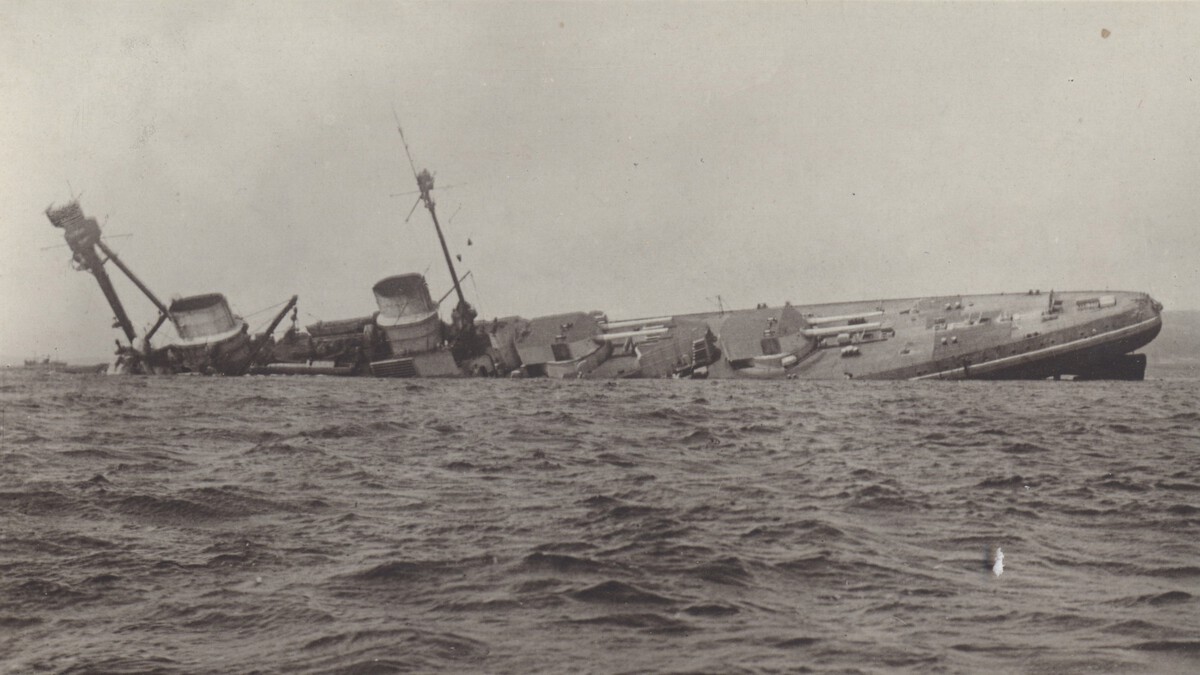
The Aftermath and the Irony of History
In the years that followed, the scuttling was seen as a wasteful act of defiance. The ships were considered lost, and their steel was thought to be of little use. However, history had a surprising twist in store.
With the advent of the nuclear age, the world's steel supply became contaminated with radioactive isotopes from atmospheric nuclear tests. This contamination made it difficult to use steel for sensitive applications like Geiger counters and medical equipment. But the steel from the scuttled fleet, sunk decades before the first nuclear test, remained free of these contaminants. Anyone following the wider picture can start with French Novel Accused of AI Writing: The Literary World's Dilemma.
Low-Background Steel: A Nuclear-Age Treasure
This pre-nuclear steel, known as low-background steel, became highly prized by scientists and engineers. It was used in radiation detectors, medical imaging equipment, and even spacecraft. The steel from Scapa Flow, along with other pre-1945 shipwrecks, became a valuable resource. The background to this story is set out in Trending: latest articles. A closer look at the same subject appears in How Germany Sank Its Own Fleet in 1919 and Created a Nuclear Treasure.
The irony is striking: the ships that were meant to be denied to the enemy ended up serving science in ways no one could have predicted. The scuttling, once a symbol of defeat, became a source of innovation. A related thread runs through Invasive Species in Spain: Why the Guadalquivir Is a Hotspot. Earlier coverage in Spain's Illegal Irrigation: 80,000 Hectares of Crops Using Stolen Water shows how the argument developed.
Key Takeaways
- In 1919, Germany scuttled 74 ships of its High Seas Fleet at Scapa Flow to prevent them from falling into enemy hands.
- The operation was planned in secret by Rear Admiral Ludwig von Reuter and executed in a matter of hours.
- Decades later, the steel from these ships became valuable as low-background steel, free from radioactive contamination.
- This steel was used in sensitive scientific and medical equipment during the nuclear age.
- The story is a remarkable example of how historical events can have unexpected consequences.
Comparison of Steel Types
| Type | Source | Radioactive Contamination | Common Uses |
|---|---|---|---|
| Modern Steel | Post-1945 production | Contaminated with isotopes from nuclear tests | Construction, manufacturing |
| Low-Background Steel | Pre-1945 shipwrecks, including Scapa Flow | Free from contamination | Radiation detectors, medical equipment, aerospace |
FAQ
What was the scuttling of Scapa Flow?
The scuttling of Scapa Flow was the deliberate sinking of 74 ships of the German High Seas Fleet by their own crews on June 21, 1919, to prevent the ships from being seized by the Allies.
Why is low-background steel valuable?
Low-background steel is valuable because it was produced before the first nuclear tests, so it is free from radioactive contamination. This makes it ideal for sensitive applications like Geiger counters and medical devices.
How much steel was recovered from Scapa Flow?
Many of the ships were salvaged in the decades following the scuttling, and their steel was used for various purposes, including low-background steel for scientific instruments.
Are there other sources of low-background steel?
Yes, other pre-1945 shipwrecks and steel structures also serve as sources of low-background steel, but Scapa Flow is one of the most famous due to the large quantity and historical significance.
Browse the Shop
 Acacia frida deluxe solid wood bed frame |
Bedroom bench |
Bed chest drawers |
Lingerie dresser |
Frame base |
Mirror with jewelry storage |
30 Bathroom Vanity |
Memory foam queen mattress |
Mattresses for back pain |
Nightstand set of 2 |
Grand Goldman Shop |
Civil Lawyer
Deutschland Trikot WM 2026










