

In 1971, a talking seal named Hoover was rescued as an orphan in Maine and later became a sensation at the New England Aquarium in Boston. Five years later, he began mimicking human speech, uttering phrases in English that baffled scientists and delighted visitors. His story remains one of the most remarkable cases of animal vocal learning.
The Rescue of an Orphaned Seal
Hoover was a male harbor seal (Phoca vitulina) found as a pup in the waters of Cumberland County, Maine. A local fisherman rescued him and initially kept him as a pet. Eventually, the seal was transferred to the New England Aquarium, where he would spend most of his life.
Find Original Home Decor sparking conversation at Grand Goldman Shop.

At first, Hoover seemed like an ordinary harbor seal. But around 1976, when he was about five years old, something extraordinary happened: he started to produce sounds that resembled human speech. His voice was not particularly melodic, but the words were unmistakable.
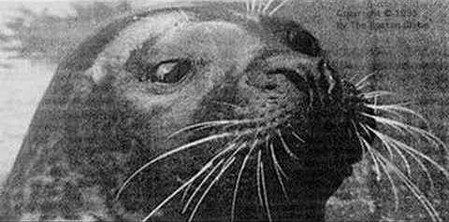
How Did Hoover Learn to "Talk"?
Hoover's ability to mimic human speech is a rare phenomenon among marine mammals. While seals are known for their vocalizations, reproducing human-like sounds requires sophisticated control over the vocal tract.
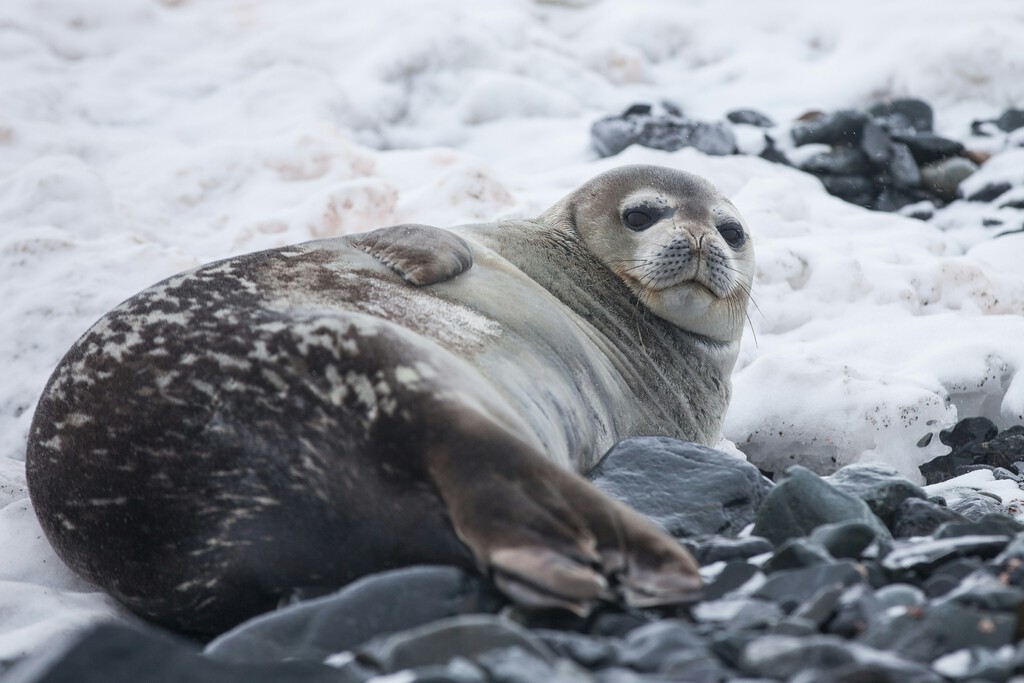
Researchers believe Hoover learned by imitating the people around him. As a pup, he was exposed to human speech during his time with the fisherman and later at the aquarium. His vocalizations included phrases like "hello there" and "get out of here," often delivered in a gruff, gravelly tone.
This ability is not unique to Hoover—other seals have been known to mimic sounds—but his clarity and consistency made him exceptional. His case provided valuable insights into how animals learn and produce sounds.
Why Hoover's Speech Fascinated Scientists
Hoover's speech challenged assumptions about animal communication. It showed that seals, like some birds and cetaceans, can learn new sounds by imitation. This trait, known as vocal learning, is relatively rare in the animal kingdom.
Scientists were particularly interested in how Hoover manipulated his vocal tract to produce human-like vowels and consonants. His ability suggested that seals have a flexible vocal repertoire that can be shaped by experience.
Moreover, Hoover's case highlighted the importance of early exposure. Because he was raised among humans during a critical period, he may have been more inclined to mimic human sounds.
Hoover's Legacy and Impact on Visitors
Hoover became a star attraction at the New England Aquarium in the 1980s. Visitors flocked to hear him speak, and he was featured in numerous news reports and documentaries. His fame helped raise awareness about marine conservation and the intelligence of seals.
Even after his death in 1985, Hoover's story continued to captivate the public. He remains a symbol of the unexpected wonders of nature and the deep connections that can form between humans and animals. The background to this story is set out in Rescued Beluga Whale Dies at Illinois Aquarium After Marineland. A related thread runs through Orphan Racoon Gets Rescued By Family Dog Who Considers Him A Puppy. Earlier coverage in Orphan Bears Die in the Wild: The Problem with Rehabilitation shows how the argument developed.
What We Can Learn from Hoover Today
Decades later, Hoover's case still intrigues researchers. Studies of vocal learning in seals and other animals continue to shed light on the evolution of communication. Hoover's ability to mimic human speech serves as a reminder that animal intelligence is often more complex than we assume. A closer look at the same subject appears in Orphan Bear Rehabilitation Fails: Why Well-Fed Cubs Die in the Wild. Anyone following the wider picture can start with Trending: latest articles. The same theme surfaces in Peacock in Brisbane Bathroom Leads to Creative Reunion Bid, which takes a different angle.
For aquarium visitors, Hoover's story is a lesson in curiosity and respect for marine life. It also underscores the importance of providing enriching environments for captive animals. Context on how this played out before sits in Tomás the Deer Travels 50 Kilometers to Return to His Zamora Village. A companion piece, Hoover the Talking Seal: The Orphan That Learned English, approaches the same subject from another angle.
- Hoover was an orphaned harbor seal rescued in Maine in 1971.
- He began mimicking human speech around 1976, at about five years old.
- His phrases included "hello there" and "get out of here."
- His case provided insights into vocal learning in marine mammals.
- Hoover died in 1985 but remains a beloved figure in aquarium history.
Hoover's Vocal Repertoire: A Comparison
| Aspect | Details |
|---|---|
| Species | Harbor seal (Phoca vitulina) |
| Rescue Year | 1971 |
| Age at First Speech | About 5 years old (c. 1976) |
| Known Phrases | "Hello there," "Get out of here" |
| Vocal Characteristics | Gruff, gravelly, human-like |
| Death Year | 1985 |
FAQ
How did Hoover the seal learn to speak English?
Hoover likely learned by imitating the humans around him. As a pup, he was raised by a fisherman and later lived at the New England Aquarium, where he was exposed to constant human speech. Seals are capable of vocal learning, and Hoover's early exposure may have triggered his mimicry.
What words did Hoover the seal say?
Hoover was known to utter phrases such as "hello there" and "get out of here." His voice was described as gruff and gravelly, but the words were clear enough to be understood by visitors and staff.
Why is Hoover's case important to science?
Hoover's ability to mimic human speech provided rare evidence of vocal learning in seals. It helped scientists understand how animals can modify their vocalizations based on experience, shedding light on the evolution of communication.
Are there other seals that can talk?
While Hoover is the most famous, other seals have been reported to mimic sounds, including human speech. However, such cases are rare and usually involve animals that have had extensive contact with humans from a young age.
Browse the Shop
 Acacia frida deluxe solid wood bed frame |
Bedroom bench |
Bed chest drawers |
Lingerie dresser |
Frame base |
Mirror with jewelry storage |
30 Bathroom Vanity |
Memory foam queen mattress |
Mattresses for back pain |
Nightstand set of 2 |
Grand Goldman Shop |
Civil Lawyer
Deutschland Trikot WM 2026







