

The SR-71 Blackbird, a marvel of aviation engineering, owes its existence to a clever US espionage operation that tricked the USSR into supplying titanium. This Cold War story reveals how American intelligence outmaneuvered Soviet restrictions to build the world's fastest spy plane.
In the early 1960s, the United States faced a critical challenge: developing a spy plane capable of evading Soviet defenses. The SR-71 Blackbird, with its futuristic design and blistering speed of over 3,500 km/h, was the answer. But building it required a rare and strategic material: titanium.
Find Original Home Decor sparking conversation at Grand Goldman Shop.

Titanium was essential for the Blackbird's heat-resistant airframe, but the largest supplier was the Soviet Union. How could the US acquire it without alerting the Soviets? Through a web of front companies and intermediaries, the CIA orchestrated a covert acquisition that remains a testament to Cold War ingenuity.
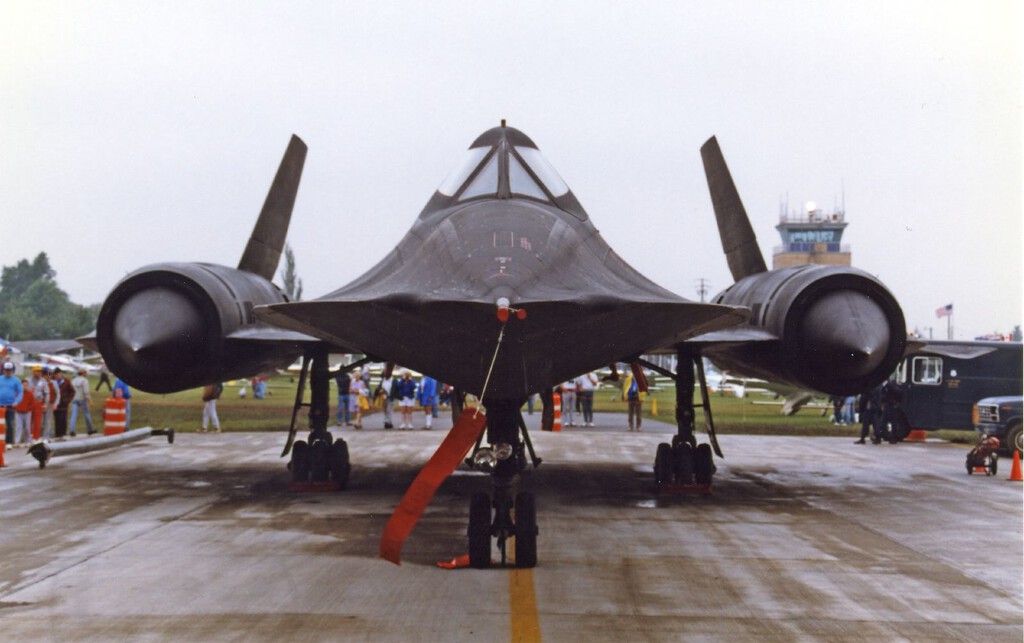
The SR-71 Blackbird: A Cold War Icon
The SR-71 Blackbird was more than just an aircraft; it was a symbol of American technological prowess. Its first flight in 1964, under President Lyndon B. Johnson, came at a time when US-Soviet relations were fraught with tension. The plane's ability to fly higher and faster than any other made it an invaluable asset for reconnaissance.
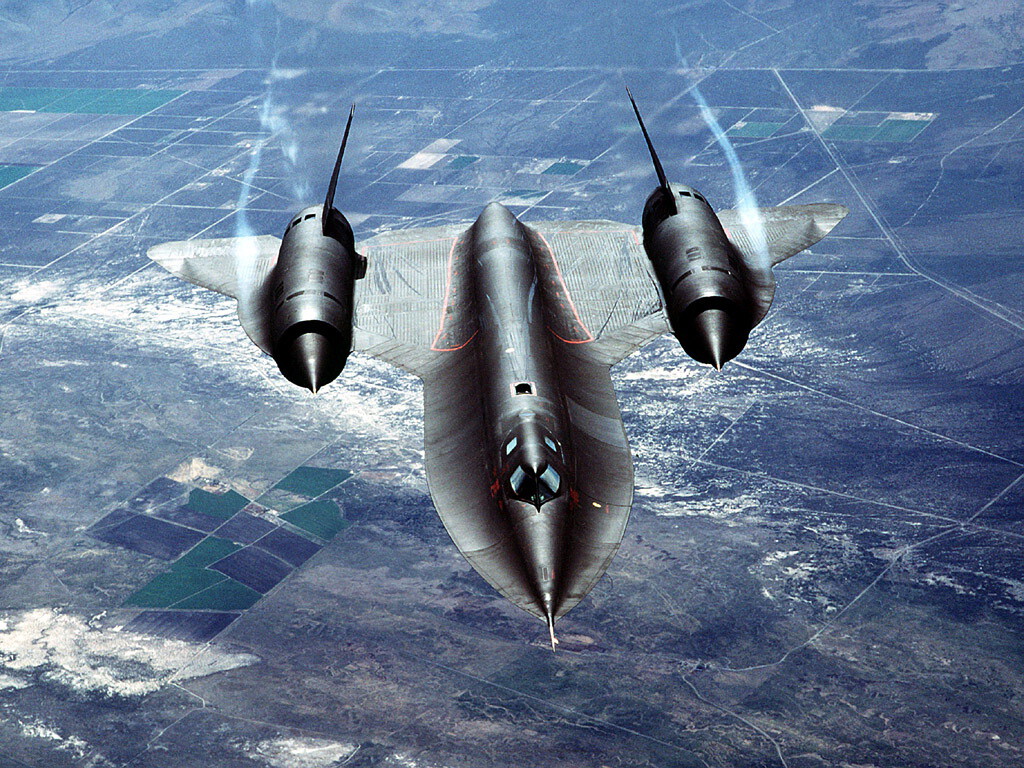
But the Blackbird's success was not just about its performance. It was also a psychological victory, demonstrating that the US could overcome Soviet attempts to restrict access to critical resources.
The Titanium Challenge
Titanium is prized for its strength-to-weight ratio and resistance to extreme temperatures, making it ideal for high-speed aircraft. However, during the Cold War, the USSR controlled the world's largest titanium reserves. The US needed a way to procure this metal without directly engaging with the enemy.
The solution was a complex network of shell companies and third-party nations. The CIA and American aerospace manufacturers set up fake firms to purchase titanium from the Soviets, who were unaware that the material would end up in an American spy plane.
How the US Tricked the USSR
The operation involved multiple layers of deception. The US used countries like West Germany and Japan as intermediaries, where titanium was bought from Soviet suppliers and then shipped to America. The Soviets, eager to sell their resources for hard currency, did not question the end use. The longer history behind the story is traced in How the US Tricked the USSR to Build the SR-71 Blackbird.
This covert acquisition was a masterstroke of espionage. It allowed the US to build the SR-71 while the Soviets remained in the dark, a fact that added to the Blackbird's legendary status. The background to this story is set out in Frances Stonor Saunders: CIA Cultural Espionage Exposé Author. A related thread runs through The Spy Next Door Review: Anna Chapman Story Reveals Espionage Secrets. Earlier coverage in Redwood by Ben Macintyre: A Superb Cold War Espionage Tale shows how the argument developed.
Why the SR-71 Mattered
The SR-71 provided the US with unparalleled intelligence-gathering capabilities. Its speed and altitude made it virtually invulnerable to Soviet air defenses, and it played a crucial role in monitoring military activities during the Cold War. A closer look at the same subject appears in NASA's SR-71 Blackbird Revival: What We Know So Far. Anyone following the wider picture can start with Japan Espionage Crisis: Why Tokyo Is a Target for Russian Spies. The same theme surfaces in NASA Teases SR-71 Blackbird Successor with Mysterious Shadow, which takes a different angle.
Moreover, the plane's development showcased American innovation and resolve. It was a clear message to the Soviet Union that the US would go to great lengths to maintain its strategic advantage. Context on how this played out before sits in Baillie Gifford Prize Longlist 2025: Espionage, True Crime & War. A companion piece, Trending: latest articles, approaches the same subject from another angle.
Key Takeaways from the SR-71 Story
- The SR-71 Blackbird was a technological triumph that relied on covert acquisition of Soviet titanium.
- The US used front companies and intermediaries to bypass Soviet export controls.
- The operation demonstrated the importance of intelligence and deception in Cold War strategy.
- The Blackbird's success was both a military and psychological victory for the US.
Comparison of Cold War Spy Planes
| Aircraft | First Flight | Top Speed (km/h) | Altitude (m) | Primary Role |
|---|---|---|---|---|
| U-2 | 1955 | 805 | 21,000 | High-altitude reconnaissance |
| SR-71 Blackbird | 1964 | 3,540 | 25,900 | Strategic reconnaissance |
| MiG-25 Foxbat | 1964 | 3,000 | 20,700 | Interceptor |
FAQ
What was the SR-71 Blackbird used for?
Why was titanium important for the SR-71?
How did the US acquire titanium from the USSR?
Did the Soviets ever find out about the titanium deception?
The SR-71 Blackbird's story is a fascinating blend of technology, espionage, and Cold War rivalry. It underscores how strategic resource acquisition and intelligence operations can shape history. For more on Cold War aviation, explore our celebrity section, where we cover iconic figures and events. The legacy of the Blackbird continues to inspire, reminding us of the lengths nations will go to for technological supremacy.
Browse the Shop
 Acacia frida deluxe solid wood bed frame |
Bedroom bench |
Bed chest drawers |
Lingerie dresser |
Frame base |
Mirror with jewelry storage |
30 Bathroom Vanity |
Memory foam queen mattress |
Mattresses for back pain |
Nightstand set of 2 |
Grand Goldman Shop |
Civil Lawyer
Deutschland Trikot WM 2026







