

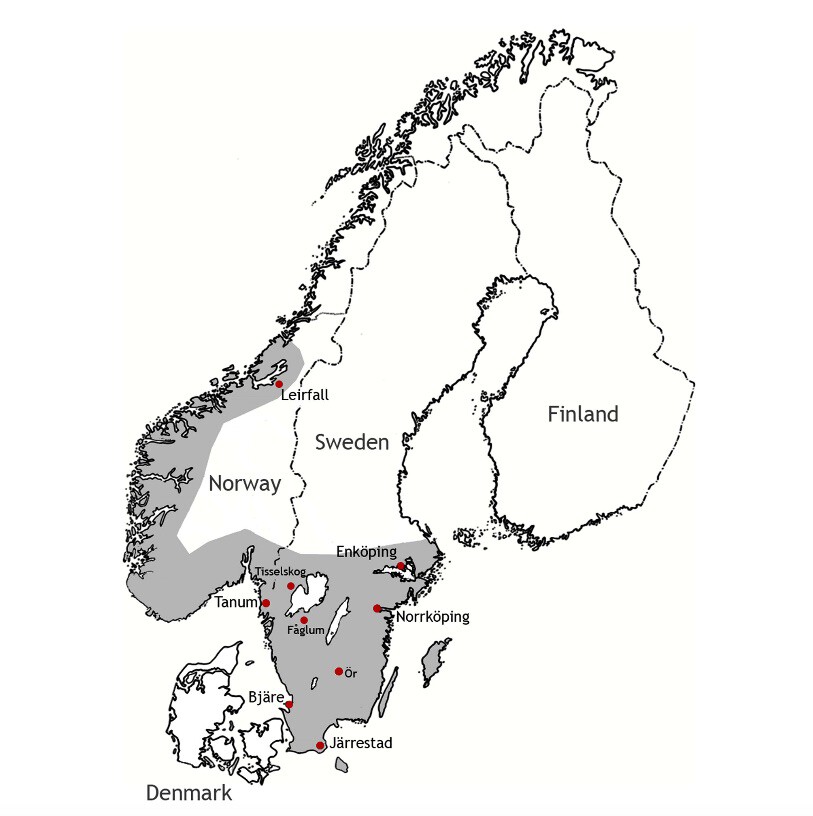
Sweden's coasts are home to thousands of carved feet on rock surfaces, dating back 2,500 to 3,700 years. These ancient footprints, found along the shores of Lake Mälaren and southern Scandinavia, were long thought to be symbolic or religious art. But a recent study proposes a far more practical purpose: they were contracts etched in stone.
What Are These Carved Feet?
Along the coasts of Sweden, particularly around Lake Mälaren, archaeologists have documented hundreds of petroglyphs depicting human feet. Unlike random graffiti, these carvings are carefully placed and often appear in pairs or groups. Fredrik Fahlander, an archaeologist at Stockholm University, examined these footprints and found they were not haphazardly carved by a single individual. Instead, they appear to be deliberate marks made by different people.
Find Original Home Decor sparking conversation at Grand Goldman Shop.

The feet vary in size and shape, suggesting they represent actual individuals. This diversity indicates that the carvings were made by various people over time, possibly as a way to leave a permanent record of their presence or agreements.
The Contract Hypothesis
Fahlander's hypothesis is groundbreaking: these carved feet may have functioned as contracts. In prehistoric societies without writing, how did people formalize agreements? According to this theory, when two individuals wanted to seal a deal, friendship, or marriage, they carved their footprints together on the rock. The permanence of stone transformed an oral promise into a lasting commitment.
This practice would have been a way to publicly announce and solidify agreements. The rock surface acted as a canvas for social and legal transactions, ensuring that the terms were visible to the community and enduring over time.
Why This Matters
This discovery challenges our assumptions about prehistoric societies. Historically, formal contracts have been associated with cultures that possessed writing. However, these carved feet suggest that even without a script, people could create binding agreements using the physical landscape as a medium. The longer history behind the story is traced in Sweden's Ancient Carved Feet: 3,000-Year-Old Rock Contracts.
It offers a new perspective on how early societies managed social and economic relationships. The feet are not just art; they are evidence of complex social structures and legal practices. The background to this story is set out in Ancient Carved Stones in Southwest Iberia Finally Explained by Huelva. A related thread runs through How to Clean Granite: DIY Guide for Spotless Stone Surfaces. Earlier coverage in Great White Shark Sightings Surge Along US and Canada Coasts shows how the argument developed.
Key Takeaways
- Thousands of carved feet exist along Sweden's coasts, dating back 2,500 to 3,700 years.
- These petroglyphs were likely used as contracts to seal agreements, not just as symbolic art.
- The practice shows that prehistoric societies without writing could formalize commitments.
- The study by Fredrik Fahlander suggests these carvings represent actual individuals.
- This finding reshapes our understanding of how ancient societies handled legal and social matters.
Comparison of Carved Feet Sites
| Site | Location | Estimated Age | Number of Carvings |
|---|---|---|---|
| Lake Mälaren | Central-eastern Sweden | 2,500–3,700 years | Hundreds |
| Southern Scandinavian Coast | Southern Sweden | 2,500–3,700 years | Numerous |
What to Watch Next
Further research may reveal more about the specific agreements these carvings represent. Archaeologists could analyze the placement and pairing of feet to understand social relationships. Additionally, similar carvings in other regions might provide comparative insights into this practice. A closer look at the same subject appears in 16 Ideas to decorate your home with carved wooden furniture. Anyone following the wider picture can start with Saratoga Anti-Slip Spray for Walkable Surfaces: A DIY Guide. The same theme surfaces in Saratoga FERNOVUS: Anti-Rust Paint Gel That Works on Rusty Surfaces, which takes a different angle.
As we continue to study these ancient footprints, we gain a deeper appreciation for the ingenuity of prehistoric peoples. They found a way to make their promises last forever, quite literally carved in stone. Context on how this played out before sits in Nasa Eclipse Air Mission: Rare Data Captured at 50,000 Feet. A companion piece, Trending: latest articles, approaches the same subject from another angle.
FAQ
What are the carved feet in Sweden?
The carved feet are petroglyphs found on rock surfaces along Sweden's coasts, dating back 2,500 to 3,700 years. They depict human footprints and are believed to have been used as contracts or agreements.
Why were the feet carved into rock?
According to archaeologist Fredrik Fahlander, the feet were carved to seal agreements, making oral promises permanent. The rock served as a durable medium for social and legal transactions.
How does this change our understanding of prehistoric societies?
This finding shows that prehistoric societies without writing could formalize commitments. It challenges the assumption that formal contracts were exclusive to cultures with writing systems.
Where are these carvings found?
They are primarily found along the coasts of southern Scandinavia, especially around Lake Mälaren in central-eastern Sweden.
Browse the Shop
 Acacia frida deluxe solid wood bed frame |
Bedroom bench |
Bed chest drawers |
Lingerie dresser |
Frame base |
Mirror with jewelry storage |
30 Bathroom Vanity |
Memory foam queen mattress |
Mattresses for back pain |
Nightstand set of 2 |
Grand Goldman Shop |
Civil Lawyer
Deutschland Trikot WM 2026







