

When shopping for a traditional LED TV, it's easy to get lost in specs like price, screen size, and panel technology. But the most important factor is understanding where you'll place the TV and what kind of content you'll watch most often. That clarity will narrow your search and help you decide whether a traditional LED TV is right for you.
So, is it better to buy a traditional LED TV or should you stay away? There are clear advantages and disadvantages to these TVs. Let's break down when it makes sense to buy one and when you should look elsewhere.
Find Original Home Decor sparking conversation at Grand Goldman Shop.

What Is a Traditional LED TV?
A traditional LED TV uses an LCD panel backlit by LEDs. This is the most common TV technology on the market, and it's available at nearly every price point. Unlike OLED, which produces its own light, LED TVs rely on a backlight, which can affect contrast and black levels.
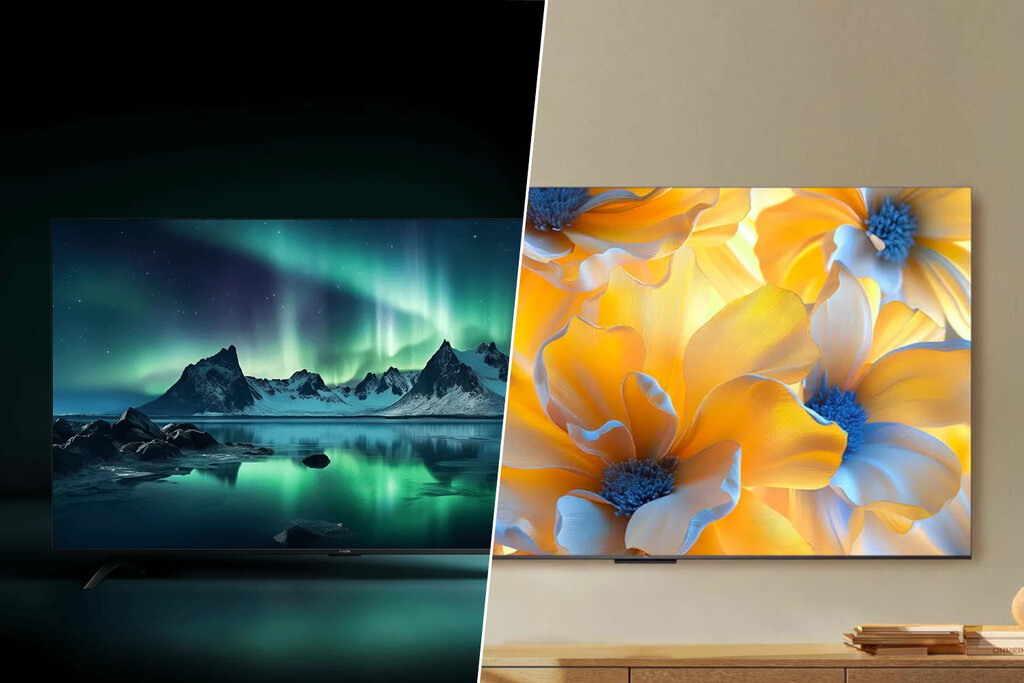
However, LED TVs have come a long way. Many now support advanced features like quantum dots, mini-LED backlights, and high refresh rates, blurring the line between traditional and premium.
When a Traditional LED TV Is Worth Buying
Traditional LED TVs shine in several scenarios. If you're on a tight budget, need a secondary TV for a bright room, or want a large screen without spending a fortune, an LED TV is a practical choice.
They're also ideal for casual viewing, such as watching cable, streaming shows, or playing video games occasionally. Many budget models now offer smart features and decent picture quality.
- Budget-friendly: LED TVs are the most affordable option, especially in large sizes.
- Bright rooms: LED backlights can get very bright, making them suitable for well-lit spaces.
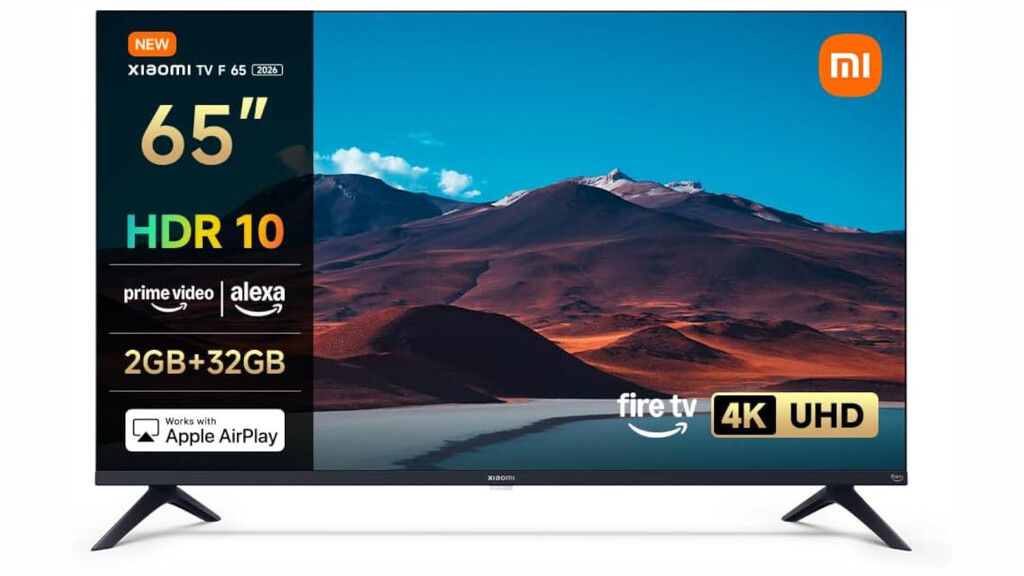
- Gaming: Some models offer high refresh rates and low input lag, like the Xiaomi TV F with Game Boost up to 120 Hz.
- Smart features: Many budget LEDs come with popular OS like Fire OS or Google TV.
- No burn-in risk: Unlike OLED, LED TVs are immune to image retention.
When to Avoid a Traditional LED TV
If you're a videophile who demands deep blacks and perfect contrast, a traditional LED TV may disappoint. Edge-lit models, in particular, can suffer from uneven backlighting and poor black uniformity.
Also, if you watch movies in a dark room, the limited contrast of LED TVs can be a drawback. In those cases, OLED or high-end mini-LED with local dimming might be worth the extra cost.
Additionally, very cheap LED TVs may cut corners on processing, leading to motion blur or poor upscaling. Always check reviews for performance.
Key Features to Consider in a Traditional LED TV
Not all LED TVs are created equal. Look for these features to ensure you get good value. Context on how this played out before sits in Traditional LED TV: When to Buy and When to Avoid Them.
| Feature | Why It Matters | Example |
|---|---|---|
| Panel Type | VA vs IPS affects contrast and viewing angles | VA offers better contrast; IPS has wider angles |
| Backlight | Full-array local dimming improves blacks | Mini-LED offers more dimming zones |
| Refresh Rate | Higher rates reduce motion blur | 120 Hz is good for sports and gaming |
| HDR Support | Expands color and contrast | Dolby Vision IQ, HDR10+ |
| Smart OS | Determines app availability and ease of use | Google TV, Fire OS |
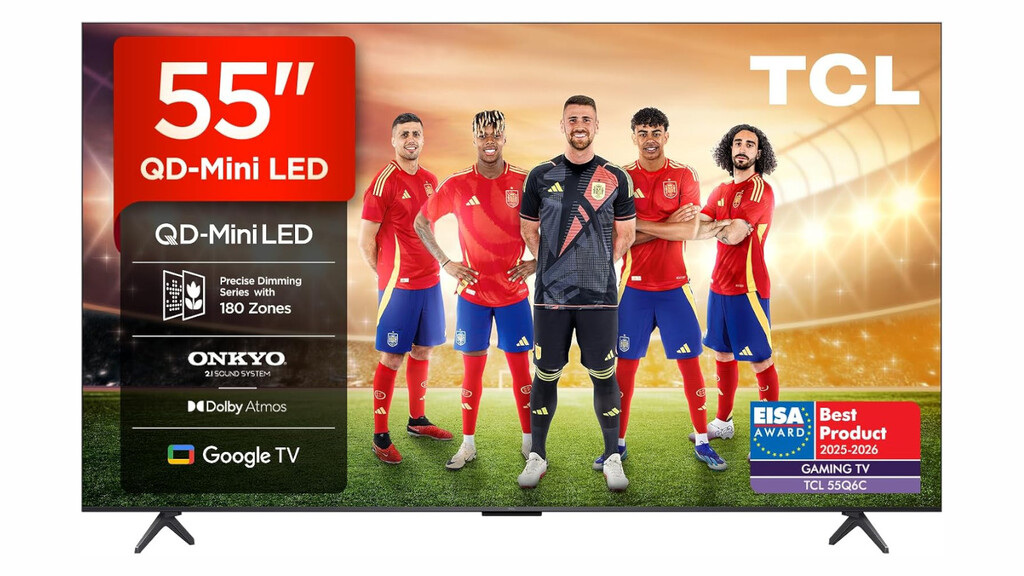
For example, the TCL Q6C is a QD-MiniLED TV with Google TV, Dolby Vision IQ, HDR10+ and Dolby Atmos, a 120 Hz refresh rate, and an HDMI 2.1 port. It offers a step up from basic LED without breaking the bank. The background to this story is set out in Trending: latest articles. A related thread runs through SQD-Mini LED TV Technology: What Buyers Need to Know.
Budget LED TV Examples
The Xiaomi TV F is a popular budget option. The 65-inch model often sells for around 399 euros. Its performance is decent thanks to Fire OS, and it includes Alexa and a Game Boost mode up to 120 Hz. Earlier coverage in Best Value-for-Money Phones: Top 10 Picks and Buying Guide shows how the argument developed. A closer look at the same subject appears in Lidl's Budget LED Strip Light Under 10 Euros for Ambient Lighting.
The TCL Q6C, at around 457 euros for 55 inches, is another value pick. It's a QD-MiniLED set with Google TV and comprehensive HDR support. Anyone following the wider picture can start with CurrentBody Series 3 LED Mask Review: Customizable Skincare. The same theme surfaces in TV Tech 2026: RGB Mini LED, Wireless Screens and AI Interfaces, which takes a different angle.
FAQ
What is the difference between LED and OLED TV?
LED TVs use an LCD panel with LED backlighting, while OLED TVs have pixels that emit their own light. OLED offers perfect blacks and wide viewing angles, but LED TVs are generally brighter and more affordable.
Are cheap LED TVs good for gaming?
Some budget LED TVs, like the Xiaomi TV F, offer gaming features like high refresh rates and low input lag. However, always check the specs for HDMI 2.1 and variable refresh rate support if you're a serious gamer.
Should I buy a traditional LED TV for a bright room?
Yes, LED TVs are often better suited for bright rooms because they can achieve higher brightness levels than OLED, which helps combat glare.
What is QD-MiniLED?
QD-MiniLED combines quantum dots with a mini-LED backlight, offering improved color and contrast compared to traditional LED. It's a middle ground between standard LED and OLED.
Browse the Shop
 Acacia frida deluxe solid wood bed frame |
Bedroom bench |
Bed chest drawers |
Lingerie dresser |
Frame base |
Mirror with jewelry storage |
30 Bathroom Vanity |
Memory foam queen mattress |
Mattresses for back pain |
Nightstand set of 2 |
Grand Goldman Shop |
Civil Lawyer
Deutschland Trikot WM 2026







