

The UK government is preparing to advise citizens to stockpile food and water at home as part of a national emergency preparedness campaign. This move signals a significant shift in how London views its own security, moving from reactive response to proactive readiness for a range of potential crises.
According to a report by The Guardian, the Cabinet Office is simultaneously reviewing how to respond to floods, heatwaves, fires, cyberattacks, sabotage, and even the consequences of a military attack by a hostile state. The message to the public is clear: be ready to fend for yourself for a while if normal services fail.
Find Original Home Decor sparking conversation at Grand Goldman Shop.

Why the UK Is Pushing Household Emergency Preparedness
The recommendation to store canned food, bottled water, and other basic supplies is not tied to a specific, imminent threat. Instead, it reflects a broader recognition that modern societies face an array of risks that can disrupt daily life. From extreme weather to digital sabotage, the scenarios that once seemed far-fetched are now part of official planning.

The goal is not to trigger panic buying or warn of an impending catastrophe. Rather, the government wants a substantial portion of the population to be able to cope on its own initially if essential services stop working. This approach, often called household resilience, aims to reduce the burden on emergency responders during the critical early hours of a crisis.
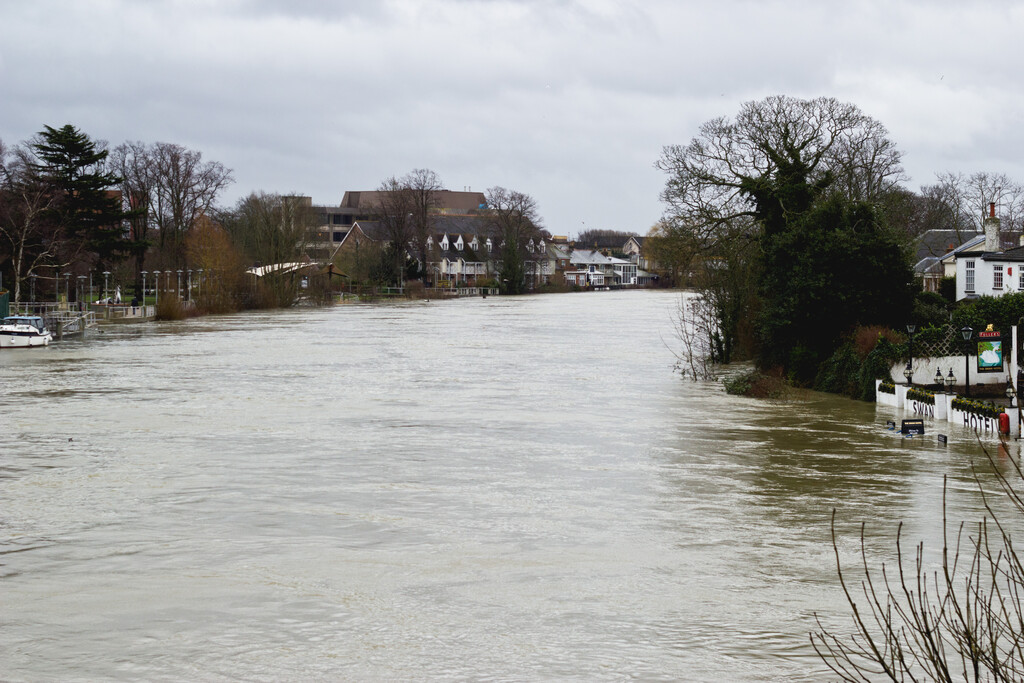
A Shift in National Security Thinking
For years, emergency planning focused on responding after a disaster struck. Now, the emphasis is on ensuring individuals and communities can sustain themselves. The Cabinet Office campaign will explain how homes can manage during an emergency, with stockpiling as a core recommendation.
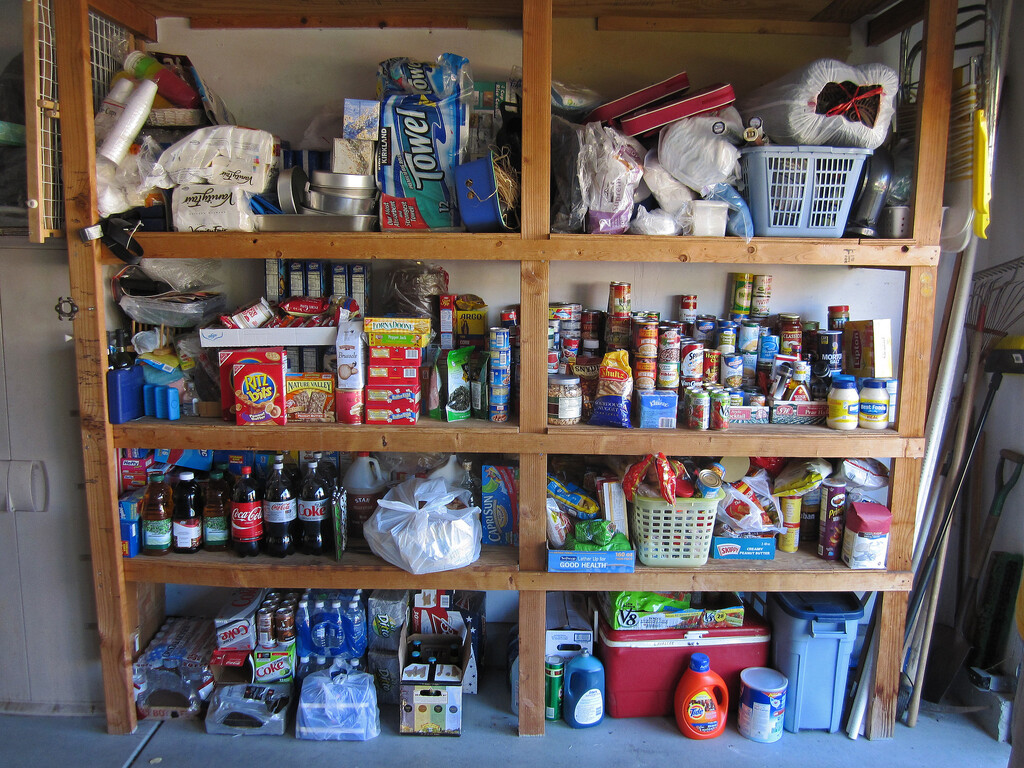
This aligns with similar efforts in other countries, but the UK's move is notable because it brings preparedness directly into the kitchen pantry. It acknowledges that in a major disruption, supply chains and utilities may be interrupted for days or longer.
What the Campaign Will Recommend
While the full details are still being developed, the campaign is expected to suggest that households keep a supply of non-perishable food, bottled water, and other essentials. The exact quantities and duration are not yet specified, but typical guidance suggests at least three days of supplies, though some experts recommend longer.
The focus is on practical, low-cost steps that anyone can take. The government aims to normalise preparedness without causing alarm, framing it as a sensible precaution rather than a sign of impending doom.
- Stockpile non-perishable food such as canned goods, rice, and pasta.
- Store bottled water — aim for at least 3 litres per person per day.
- Keep essential supplies like batteries, a torch, a first-aid kit, and a battery-powered radio.
- Stay informed about local emergency plans and warning systems.
- Avoid panic buying — build your stock gradually over time.
How This Compares to Other Countries' Preparedness
Many countries already encourage citizens to maintain emergency supplies. For example, Germany has long advised households to keep a 10-day supply of food and water. The United States' Ready campaign recommends a similar approach. The UK's new push brings it in line with these practices, though the specific recommendations may differ.
| Country | Recommended Supply Duration | Key Items |
|---|---|---|
| Germany | 10 days | Food, water, medicines, documents |
| United States | 3 days (minimum) | Food, water, radio, first-aid kit |
| United Kingdom (proposed) | Not yet specified | Canned food, bottled water, essentials |
The comparison shows that the UK's approach is not unusual, but the timing and context are significant. The government is responding to a complex threat landscape that includes both natural and man-made hazards.
What This Means for Households and Businesses
For households, the advice is straightforward: start building a small stock of essentials. This can be done gradually during regular shopping trips, avoiding the need for sudden bulk purchases. The key is to ensure you have enough to get through the first few days of a disruption.
For businesses, especially retailers, the campaign could lead to increased demand for certain products. However, the government hopes to avoid the kind of panic buying seen during the COVID-19 pandemic by framing the advice as a long-term resilience measure rather than a response to an immediate crisis.
The Role of Local Communities
Beyond individual households, the campaign may also encourage communities to work together. Neighbourhood groups can share resources and check on vulnerable residents. This community-level resilience is often crucial in the early stages of an emergency.
What to Watch Next
The Cabinet Office is expected to launch the campaign in the coming months. The exact messaging and recommendations will be closely watched by both the public and experts. How the government balances preparedness with avoiding alarm will be key to its success. The background to this story is set out in Lack of water storage is an urgent national security issue. A related thread runs through UK Food Security Warning: Experts Urge National Security Plan. Earlier coverage in Australia's Emergency Services Prepare for Satellite Failure shows how the argument developed.
Meanwhile, the broader review of emergency responses to cyberattacks, sabotage, and military threats continues. The outcome of that review could shape future policies and further influence public advice. A closer look at the same subject appears in UK Suppressed Climate Security Report: National Security Risks. Anyone following the wider picture can start with National Gallery Security Segregation Scandal Exposed by Curator. The same theme surfaces in National Gallery Security Segregation Sparks Outrage in UK, which takes a different angle.
For now, the message is simple: a little preparation can go a long way. As the government prepares to ask citizens to stockpile food and water, it is also asking them to take a more active role in their own safety. Context on how this played out before sits in Darline Graham's National Security Admission in Senate Debate. A companion piece, Royal Navy Serviceman Arrested Under National Security Act, approaches the same subject from another angle.
FAQ
Why is the UK government advising people to stockpile food and water?
The government is launching a national emergency preparedness campaign to ensure households can cope if essential services are disrupted. It is not due to a specific imminent threat but reflects a broader review of risks including floods, cyberattacks, and military aggression.
How much food and water should I store?
The exact recommendation has not been announced, but typical guidance suggests at least three days of supplies. This includes non-perishable food and about 3 litres of water per person per day. You can build your stock gradually to avoid panic buying.
Will this cause panic buying like during COVID-19?
The government aims to avoid panic buying by framing the advice as a long-term resilience measure, not a response to an immediate crisis. Encouraging gradual stockpiling and clear communication should help prevent shortages.
What other countries have similar policies?
Germany recommends a 10-day supply, and the US advises at least 3 days. The UK's campaign will bring it in line with these practices, though specific recommendations may differ.
Browse the Shop
 Acacia frida deluxe solid wood bed frame |
Bedroom bench |
Bed chest drawers |
Lingerie dresser |
Frame base |
Mirror with jewelry storage |
30 Bathroom Vanity |
Memory foam queen mattress |
Mattresses for back pain |
Nightstand set of 2 |
Grand Goldman Shop |
Civil Lawyer
Deutschland Trikot WM 2026







