

Car camping has become a popular way to explore theUSA, offering flexibility, affordability, and a direct connection to the great outdoors. But before you hit the road and settle in for the night, its crucial to understand ifcar camping is legalwhere you plan to stay.
As someone whos spent years navigating the patchwork ofcamping lawsacross the country, I can tell you: the answer isnt always straightforward. There is nofederal lawbanning sleeping in your car, butstate,city, and evencounty ordinancescan make a big difference.In some places, youre welcome to park overnight atrest stopsorpublic lands, while in others, you could face fines for simply catching some shuteye in your vehicle.
Find Bleeding Edge Supplements at Scandalous Prices on iHerb.

For example,Californiaallows car camping at rest stops for up to 24 hours, but cities like Los Angeles and San Francisco have strict rules against overnight vehicle habitation.FloridaandTexasoffer designated rest areas, but parking on public streets or private property can be restricted or outright illegal.EvenWalmart parking lots, once a haven for road trippers, now vary widely in their overnight policies. That said, also alwaysensure you have one of the best camping solar generators for your energy needs.
To stay on the right side of the law, always checklocal regulations, look for posted signs, and usedesignated campgroundsor approveddispersed campingareas when possible.In this article, Ill break down the key legal considerations and share expert tips for safe, responsible, andlegal car campingin the USA.
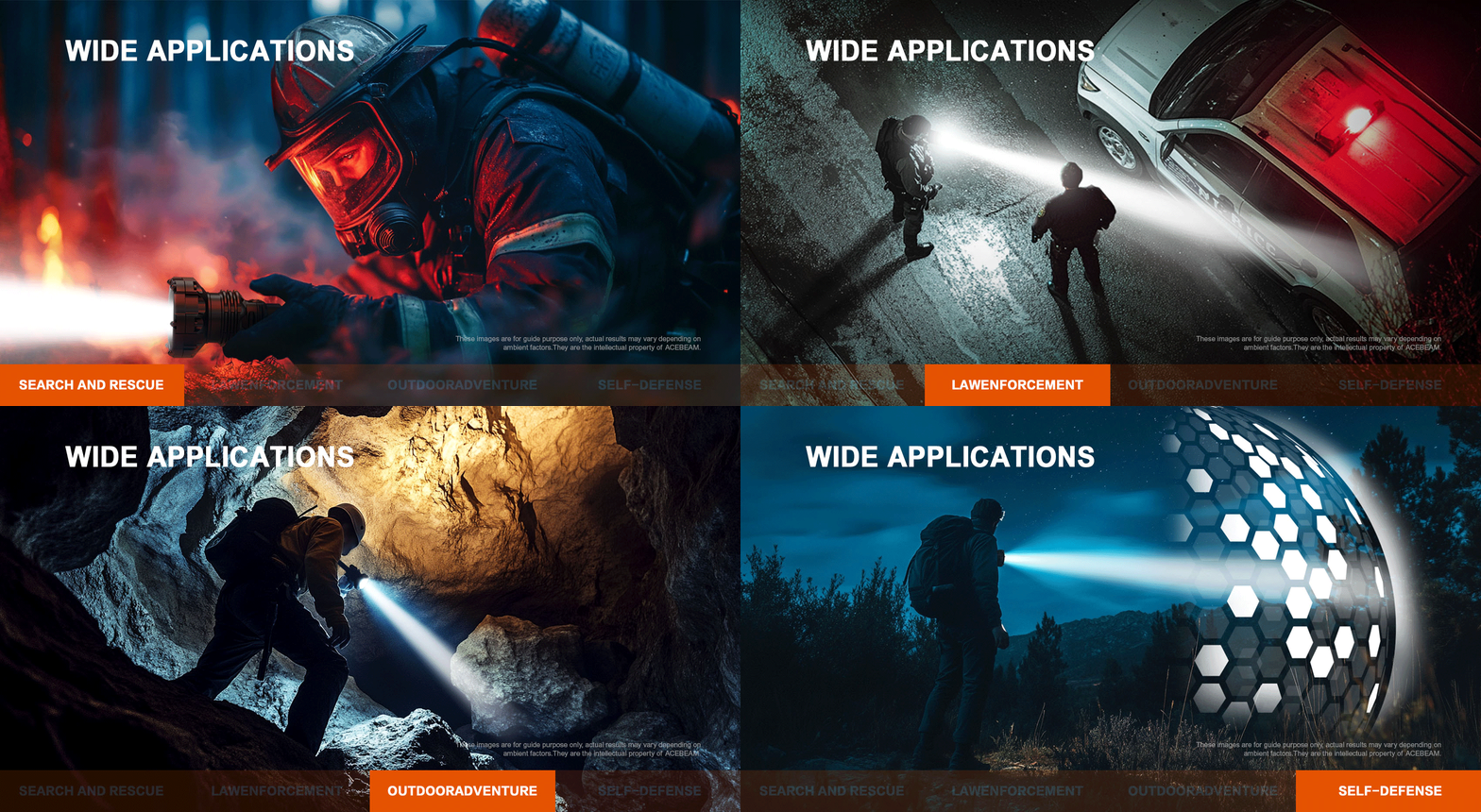
Get 10% OFF ACEBEAM High-Power Lighting Tools for Camping
1. Understanding Car Camping
Before diving into the legalities, let's clarify what car camping actually means. Simply put, car camping involves sleeping in your vehicle at a campsite or a designated area. It's a convenient option for travelers who prefer to avoid traditional camping setups or for those who are just passing through an area.
What Is Car Camping?
Car camping is essentially a form of camping where your vehicle acts as both transportation and accommodation. This method appeals to those who want to simplify their camping experience by eliminating the need for a tent and other traditional camping gear. Instead, your car becomes your mobile home, providing shelter, storage, and comfort.
Types of Car Camping
There are several types of car camping, ranging from the minimalist to the more elaborate setups. Some campers may simply recline their car seats and sleep, while others might convert the back of a van into a fully equipped living space. The style of car camping often depends on personal preference, vehicle type, and the duration of the camping trip.
Benefits of Car Camping
Car camping offers numerous benefits, including flexibility, convenience, and cost savings. You can easily move from one location to another, explore remote areas, and save on accommodation costs. Furthermore, car camping allows you to pack more gear and supplies, enhancing your outdoor experience.

2. Legal Considerations for Car Camping
The legality of car camping varies depending on where you are. Understanding the rules and regulations of different jurisdictions is crucial for ensuring a trouble-free camping experience.
Federal Lands: National Parks and Forests
The legality of car camping varies depending on where you are. National parks and forests, managed by the National Park Service and the U.S. Forest Service, respectively, have different rules.
Discover the Best Camping Power Bank

National Parks
In general, sleeping in your car is not permitted unless you are in a designated campsite. National parks are known for their stringent regulations to preserve natural beauty and ensure visitor safety. Some parks may have specific areas for overnight parking, so it's best to check the park's website or visitor center for details. Each park may have unique rules, so being informed is essential.
National Forests
These areas often have more relaxed rules. Dispersed camping, which includes car camping, is typically allowed unless otherwise posted. National forests offer a more flexible approach to camping, providing opportunities for solitude and exploration. However, it's important to always check local regulations before setting up camp to ensure compliance with any specific restrictions or guidelines.
Differences Between National Parks and Forests
While both national parks and forests offer beautiful landscapes for exploration, their management and regulations can differ significantly. National parks are more regulated, with designated camping areas and specific rules to protect delicate ecosystems. In contrast, national forests offer more freedom but require campers to be more self-reliant and environmentally conscious.
Bureau of Land Management (BLM) Lands
The Bureau of Land Management (BLM) oversees vast tracts of public land, especially in the western United States. BLM lands are generally open to dispersed camping, including car camping, unless specifically restricted.
Car Camping on BLM Lands
BLM lands offer a unique opportunity for car camping, as they are often less crowded and more remote than other public lands. These areas are ideal for those seeking solitude and natural beauty. However, campers must be mindful of restrictions, such as fire bans and vehicle access limitations, to ensure they are camping legally.
BLM Regulations and Guidelines
It's crucial to respect any posted signs and follow Leave No Trace principles when camping on BLM lands. These guidelines help preserve the natural environment and ensure that future campers can enjoy the same pristine landscapes. Campers should also be aware of any seasonal restrictions or closures that may affect their plans.

Popular BLM Car Camping Locations
Some popular BLM car camping spots include the deserts of California, the rugged landscapes of Utah, and the vast expanses of Nevada. Each location offers unique attractions, from stunning rock formations to serene desert vistas. Researching these areas before your trip can enhance your camping experience and help you find the perfect spot.
State and Local Regulations
Each state and local jurisdiction may have its own rules regarding car camping. Some states allow it in rest areas for a limited time, while others prohibit overnight stays entirely. Researching state-specific regulations is a must for car campers.
State-Specific Rules
Every state has its own set of rules governing car camping, often influenced by local climate, population density, and tourism demand. For example, some states may permit overnight parking at highway rest stops, while others strictly prohibit it. Understanding these variations is essential for planning a legal and enjoyable trip.
Local Ordinances
Local city and county ordinances can also impact car camping opportunities. Urban areas, in particular, may have stricter regulations to address safety and community concerns. Checking with local government websites or visitor centers can provide valuable insights into these local rules.
How to Research State and Local Regulations
Researching state and local regulations requires diligence and attention to detail. Online resources, such as state tourism websites and camping forums, are invaluable for gathering information. Additionally, contacting local authorities or visitor centers directly can provide the most accurate and up-to-date information.
Private Land and Campgrounds
Apps like Hipcamp and iOverlander can help you find private lands and campgrounds that allow car camping. These platforms often list unique spots, including glamping sites and private properties open to campers. Always ensure you have permission from the landowner before camping on private property.
Finding Private Campgrounds
Private campgrounds can offer a variety of amenities and services that enhance the car camping experience. From showers and laundry facilities to recreational activities, these campgrounds cater to a range of camper needs. Using apps and websites, you can easily search for private campgrounds that suit your preferences.
Using Apps to Discover Unique Spots
Apps like Hipcamp and iOverlander not only provide information on traditional campgrounds but also highlight unique camping opportunities. These may include secluded spots on private land, farms, and vineyards that offer a more intimate camping experience. Exploring these options can lead to memorable and off-the-beaten-path adventures.
Securing Permission to Camp on Private Property
Securing permission to camp on private property is essential to avoid legal issues and respect landowner rights. Always communicate with the landowner directly, understand any rules or conditions, and ensure you leave the property in the same or better condition than you found it. This approach fosters positive relationships and may even lead to future camping opportunities.
Camping Gear Reviews

Best Dry Camping RV Batteries | Best Fiberglass Camper Wax | Best Camper Mattress | Best Water Filter for Camper | Best Deep Cycle Battery for Camper | Best Power Bank for Camping | Best Heated Camping Chair
3. Tips for Legal Car Camping
To ensure a safe and lawful car camping experience, it's important to follow best practices and be mindful of the environment and local communities.
Research Before You Go
Before heading out, research your destination's regulations. Websites for national parks, forests, and BLM lands provide valuable information about camping policies and designated areas.
Utilizing Online Resources
Online resources are a treasure trove of information for car campers. National park and BLM websites offer detailed guidelines and maps, while forums and social media groups provide firsthand experiences and tips from fellow campers. Leveraging these resources can help you plan a seamless and informed trip.
Understanding Maps and Designated Areas
Maps are invaluable tools for identifying legal camping areas and understanding the terrain. Many public land websites offer downloadable maps that highlight designated camping areas, trailheads, and points of interest. Familiarizing yourself with these maps can prevent unintentional trespassing and enhance your overall experience.
Importance of Pre-Trip Planning
Pre-trip planning is crucial for a successful car camping adventure. By researching regulations, routes, and weather conditions in advance, you can prepare for potential challenges and ensure a smooth journey. This proactive approach minimizes surprises and enhances your ability to enjoy the great outdoors responsibly.
Respect "No Camping" Signs
Pay attention to signage indicating where camping is prohibited. Ignoring these signs can lead to fines or other penalties.
Consequences of Ignoring Signs
Ignoring "No Camping" signs can result in hefty fines, legal trouble, and a negative impact on the environment. These signs are often placed to protect sensitive ecosystems, wildlife habitats, or private property. By respecting signage, you help preserve natural areas and maintain positive relationships with land managers.
Strategies for Finding Legal Alternatives
If you encounter a "No Camping" sign, it's important to have alternative plans. Researching multiple camping spots in advance ensures you have backup options if your first choice is unavailable. Flexibility and adaptability are key to navigating these situations without stress.
Role of Signage in Conservation
Signage plays a critical role in conservation efforts by guiding visitors and protecting natural resources. These signs help manage visitor impact, reduce overcrowding, and preserve the integrity of natural landscapes. By respecting signage, campers contribute to conservation efforts and help maintain the beauty of these areas for future generations.
Best Campgrounds
Best Campgrounds State Land NY | Best Free Campings NY | Best Free RV Parks Massachussets

Leave No Trace
Regardless of where you camp, follow Leave No Trace principles. This includes packing out all trash, minimizing your impact on the environment, and leaving the area as you found it.
Core Principles of Leave No Trace
Leave No Trace principles encompass a set of guidelines designed to minimize human impact on natural environments. These principles include planning ahead, traveling on durable surfaces, disposing of waste properly, and respecting wildlife. Adhering to these principles ensures that natural areas remain pristine and accessible for future visitors.
Importance of Environmental Responsibility
Practicing environmental responsibility is crucial for preserving the beauty and ecological health of camping areas. By minimizing waste, reducing resource consumption, and respecting natural habitats, campers help protect the environment and ensure that future generations can enjoy these landscapes.
How to Implement Leave No Trace in Car Camping
Implementing Leave No Trace in car camping involves being mindful of your actions and their impact on the environment. Simple practices, such as using reusable containers, minimizing campfire use, and staying on designated paths, can make a significant difference. Educating yourself and others about these practices is vital for fostering a culture of environmental stewardship.
Stay Safe and Respectful
When car camping, prioritize safety. Park in well-lit areas, lock your doors, and be aware of your surroundings. Additionally, respect any noise restrictions, especially in campgrounds with quiet hours.
Personal Safety Tips for Car Campers
Safety should always be a top priority for car campers. Choosing well-lit and populated areas for overnight stays, keeping your vehicle locked, and maintaining a low profile can help ensure personal safety. Staying informed about local conditions and potential hazards is also crucial for a secure camping experience.
Navigating Campground Etiquette
Campground etiquette involves being considerate of fellow campers and respecting shared spaces. This includes adhering to quiet hours, minimizing noise, and keeping your campsite tidy. Practicing good etiquette fosters a positive camping community and enhances everyone's enjoyment of the outdoors.
Adapting to Changing Conditions
Camping conditions can change rapidly, from weather shifts to unexpected closures. Being prepared and adaptable is essential for navigating these changes. Monitoring weather forecasts, having a backup plan, and staying informed about local alerts can help you adjust your plans and stay safe.
4. Apps and Resources for Car Campers
Several resources can make car camping easier and more enjoyable:
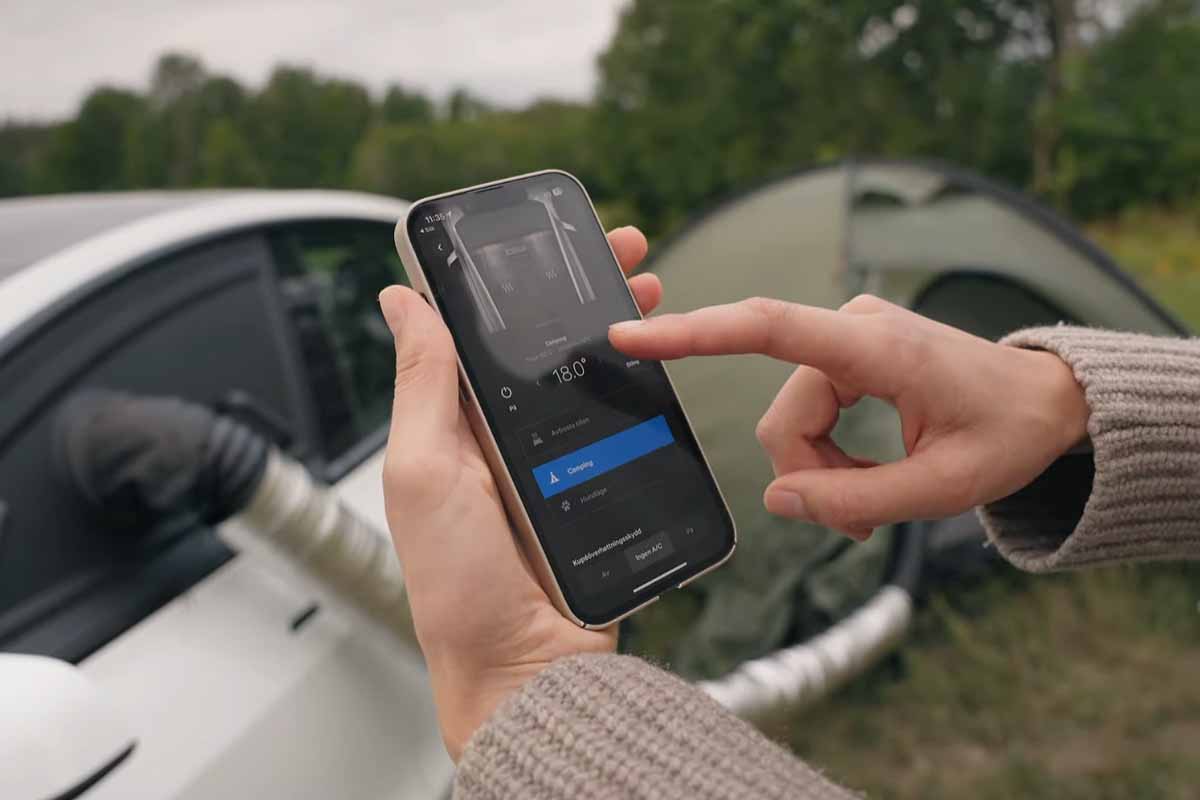
- Hipcamp: This app helps you find unique camping spots on private lands, including options for car camping and glamping.
- iOverlander: A community-driven app that provides information on camping spots, including reviews and tips from other campers.
Exploring Camping Apps
Camping apps have revolutionized how campers find and navigate camping locations. These apps offer detailed information, user reviews, and GPS coordinates to help you discover new spots. By leveraging technology, you can enhance your camping experience and find hidden gems.
Community-Driven Platforms
Community-driven platforms like iOverlander rely on user contributions to provide accurate and up-to-date information. These platforms foster a sense of community among campers, allowing them to share experiences, tips, and advice. Engaging with these communities can enrich your camping journey and expand your network.
Official Resources for Public Lands
Official resources, such as the BLM website, offer comprehensive information on public land policies and maps. These resources are essential for understanding legal camping areas and accessing reliable maps. Staying informed through official channels ensures that you are aware of any changes or updates to regulations.
Discover the Best Camping Water Filter

5. Golden Camping Rules to Know
-
The 200 Camping Rule emphasizes environmental stewardship by requiring campers to set up at least 200 feet away from trails and water sources, helping protect fragile ecosystems and wildlife habitats.
-
The 333 Camping Rule is all about travel comfort and safety: drive no more than 300 miles a day, arrive by 3 p.m., and stay at each site for at least three days, allowing for a relaxed pace and deeper exploration.
-
The 222 Camping Rule offers a similar structure but with a lighter footprint-drive up to 200 miles, arrive by 2 p.m., and stay two nights-perfect for those seeking balance between travel and rest.
-
The Golden Camping Rule, as in life, is about treating others and the environment with respect: leave no trace, keep noise down, and be considerate to fellow campers.
-
Finally, the 10-Year Rule Campground policy restricts older RVs from some private parks, aiming to maintain safety and aesthetics.
Camping responsibly starts with thenumber 1 rule of wild camping: leave no trace. To stay safe and protect wildlife, follow theTriangle Camping Ruleby separating your sleeping, cooking, and food storage areas. Always respect the camping distance from water by staying at least 200 feet from rivers, to preserve fragile habitats. If you need to camp discreetly, practicestealth camping rules. Finally, understandwhy wild camping is illegal in some statesto avoid fines and respect local laws.
Together, these rules foster responsible camping, preserve natural beauty, and ensure a positive experience for everyone on the trail.

Car Camping Laws in US: Conclusion
Car camping is a legal and enjoyable way to experience the outdoors, but it's essential to understand and follow the rules of the land you are on.
Whether you're exploring national parks, BLM lands, or private campgrounds, respecting the environment and local regulations ensures a positive experience for everyone. With the right preparation and knowledge, car camping can be a rewarding adventure.
The Importance of Staying Informed
Remaining informed about the latest regulations and guidelines is crucial for a successful car camping experience. Rules can change, and staying updated helps you avoid legal issues and plan your trips effectively. Regularly checking official websites and resources ensures that you are always in the know.
Balancing Exploration and Responsibility
Car camping offers the freedom to explore diverse landscapes, but it also comes with the responsibility of protecting these areas. Balancing exploration with environmental stewardship ensures that these natural wonders remain accessible for future generations. By being a responsible camper, you contribute to the preservation of our planet's natural beauty.
Embracing the Adventure
With the right preparation and knowledge, car camping can be a rewarding adventure. Embrace the opportunities to connect with nature, discover new places, and create lasting memories. By respecting the environment and local regulations, you ensure a positive experience for yourself and others, paving the way for many more adventures to come.
Remember to always check the latest regulations for your specific destination, as rules can change. Safe travels and happy camping!
Browse the Shop
 Acacia frida deluxe solid wood bed frame |
Bedroom bench |
Bed chest drawers |
Lingerie dresser |
Frame base |
Mirror with jewelry storage |
30 Bathroom Vanity |
Memory foam queen mattress |
Mattresses for back pain |
Nightstand set of 2 |
Grand Goldman Shop |
Civil Lawyer
Deutschland Trikot WM 2026
Acacia frida deluxe solid wood bed frame |
Bedroom bench |
Bed chest drawers |
Lingerie dresser |
Frame base |
Mirror with jewelry storage |
30 Bathroom Vanity |
Memory foam queen mattress |
Mattresses for back pain |
Nightstand set of 2 |
Grand Goldman Shop |
Civil Lawyer
Deutschland Trikot WM 2026










