

Wild camping has always been my gateway to true adventure-where the only boundaries are those of nature itself. Over the years, Ive learned that thenumber 1 rule of wild campingis simple but non-negotiable:leave no trace. This principle is the cornerstone of responsible outdoor exploration, ensuring that every wild place remains just as pristine for the next adventurer as it was for me.
Whether youre pitching your tent on a remote hillside or bivvying under the stars, your impact should be invisible-nolitter, nodamage, and absolutely no evidence you were ever there.
Find Original, High-end Home Decor that spark conversation at Grand Goldman Shop.

Following this rule isnt just about environmental ethics; its aboutrespect-for the land, for wildlife, and for fellow campers. I always pack out everything I bring in, from food wrappers to used toilet paper, and Im meticulous about choosingcampsitesthat are discreet and far from trails or water sources.Arriving late, leaving early, and keeping groups small are part of my routine to minimize disturbance and avoid unwanted attention.I never light fires unless its absolutely safe, and I always bury waste responsibly, well away from water.
Mastering theleave no traceethic is what separates a wild camper from a careless visitor. Its about blending into the landscape, being self-sufficient withlightweight gear, and making thoughtful choices that protect our wild spaces. If youre new to wild camping, start with this golden rule-and youll be well on your way to becoming a trustworthy steward of the outdoors.
Get 10% OFF ACEBEAM High-Power Lighting Tools for Camping

Leave No Trace
The number one rule of wild camping is to leave no trace. This principle is crucial not only to preserve the natural beauty of the environment but also to protect the habitats of wildlife. When you leave an area as you found it, you ensure that future campers can enjoy the same pristine conditions. Adopting a leave no trace mindset is a commitment to environmental stewardship and respect for the natural world.
What Does "Leave No Trace" Mean?
"Leave no trace" means you should leave the camping area exactly as you found it. This involves packing out all your trash, minimizing campfire impacts, respecting wildlife, and staying on durable surfaces to prevent damage to the ground and plants. It also means being mindful of the impact your presence has on the land and making conscious decisions to minimize that impact. By adhering to these practices, you are not only following the number one rule but also contributing to the broader effort of conservation.
Pack it In, Pack it Out
One of the fundamental aspects of leaving no trace is the principle of "pack it in, pack it out." This means that everything you bring into the campsite, including food wrappers, containers, and other waste, must be taken out when you leave. Properly disposing of waste helps prevent environmental degradation and keeps the area clean and safe for both wildlife and future visitors. Carrying a small trash bag with you can make it easier to manage waste during your camping trip.
Minimize Campfire Impact
Campfires can cause significant damage if not managed responsibly. Use established fire rings when available, and keep fires small to minimize their impact. Gather wood that is dead and down, and avoid cutting live trees or shrubs. Always ensure your fire is completely extinguished before leaving the site. Pour water over the coals and stir the ashes until they are cool to the touch. This not only prevents wildfires but also aligns with the leave no trace principle.
Respect Wildlife
Respecting wildlife is a crucial component of the leave no trace philosophy. Maintain a safe distance from animals and never feed them, as human food can harm their health and alter their natural behaviors. Feeding wildlife can lead to dependency on humans and increase the likelihood of dangerous encounters. Observe animals from afar and use binoculars for a closer view without disturbing their natural habitat.

Camping Gear Reviews
Best Dry Camping RV Batteries | Best Fiberglass Camper Wax | Best Camper MattressEssential Wild Camping Etiquette
Wild camping is a privilege that comes with the responsibility of respecting the environment and fellow campers. Practicing good camping etiquette ensures a positive experience for everyone involved and helps preserve the natural beauty of camping areas for future generations.
Respecting Wildlife
When camping in the wild, remember that you are a guest in the natural habitats of many animals. It is important to keep a safe distance from wildlife and never feed them. Feeding wild animals can disrupt their natural foraging habits and can sometimes lead to dangerous encounters. Observing wildlife from a distance allows them to carry on with their daily activities undisturbed, providing you with a more authentic wildlife experience.
Noise Control
Part of the joy of wild camping is the peace and quiet of nature. Keep noise levels to a minimum to avoid disturbing both wildlife and fellow campers. Loud noises can scare animals and disrupt the serene environment that you and others seek to enjoy. Be mindful of your voice, music, and any equipment that may produce noise, especially during early morning or late evening hours when nature's sounds are most prevalent.
Campfire Safety
Campfires can be a delightful part of the camping experience, but they come with significant responsibilities. Always check the local regulations regarding campfires and use established fire rings if available. Ensure your fire is completely extinguished before leaving the site. This not only prevents wildfires but also aligns with the leave no trace principle. Consider using a portable camping stove as an alternative to a campfire, especially in areas where fires are restricted.
Respect Fellow Campers
Being considerate of other campers is an important aspect of wild camping etiquette. Maintain a reasonable distance between campsites to ensure privacy and avoid overcrowding. Keep your campsite tidy and organized, and be mindful of shared resources such as water sources and trails. Friendly interactions and a willingness to help others in need can enhance the camping experience for everyone.

Camper Rules and Regulations
While wild camping offers a sense of freedom, it's important to be aware of the specific rules and regulations that may apply in different areas. Many regions have their own guidelines regarding where and when you can camp. Understanding and adhering to these rules helps protect the environment and ensures a safe and enjoyable experience for all campers.
KOA Campground Rules
KOA (Kampgrounds of America) offers a structured camping experience that includes its own set of rules and regulations. These often include quiet hours, pet policies, and guidelines for campfires. Understanding these rules can help ensure a pleasant stay for everyone at the campground. Familiarize yourself with the specific rules of the KOA you plan to visit, as they may vary between locations.
Rules for Kids
If you're camping with children, it's important to teach them the basics of camping etiquette. Simple rules like staying within the campsite boundaries, respecting wildlife, and keeping noise levels down can go a long way in maintaining a harmonious environment. Encourage kids to explore nature safely and supervise their activities to prevent any unintended harm to themselves or the environment.
Local Regulations and Permits
Before embarking on a wild camping adventure, research the local regulations and obtain any necessary permits. Some areas may have restrictions on camping locations, campfire usage, or group sizes. Compliance with these regulations helps preserve natural resources and minimizes the impact on the environment. Check with local land management agencies for up-to-date information on camping rules and permits.
Safety Tips for Wild Camping
Safety is a top priority when camping in the wild. Proper preparation and awareness of potential hazards can make the difference between a successful trip and a challenging experience. Equip yourself with the knowledge and tools needed to stay safe and enjoy your time in nature.
Choose the Right Gear
Having the right camping gear can make a significant difference in your safety and comfort. Invest in a reliable tent, sleeping bag, and appropriate clothing for the weather conditions. A well-prepared camper is a safe camper. Consider the terrain and environment of your camping location when selecting gear, and always carry essential items such as a map, compass, and flashlight.
Plan Your Route
Before heading out, plan your route and let someone know your itinerary. Familiarize yourself with the area and know the location of the nearest help in case of emergencies. This preparation can be crucial in unexpected situations. Carry a map and compass, and consider using a GPS device for added safety. Be aware of weather forecasts and potential hazards such as flooding or wildlife encounters.
First Aid Essentials
A first aid kit is a must-have for any camping trip. Include items such as band-aids, antiseptics, and any personal medications. Knowing basic first aid can be invaluable in addressing minor injuries or ailments. Take a first aid course to equip yourself with the skills needed to handle common camping injuries, such as cuts, burns, or allergic reactions. Regularly check your first aid kit to ensure all items are in good condition and replace any expired or used supplies.
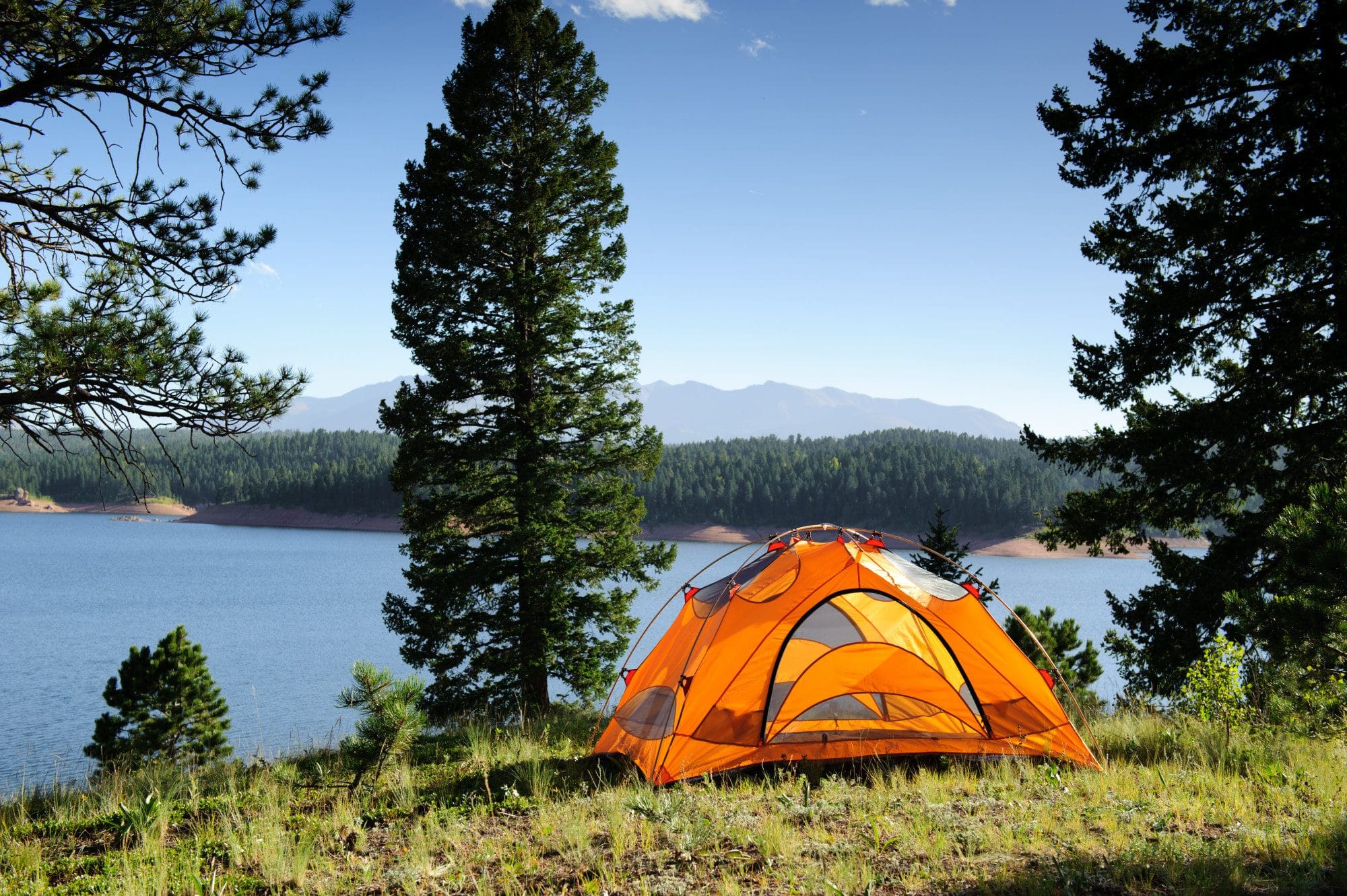
When it comes to camping and RV travel, a handful of practical rules can make your adventures safer, more enjoyable, and more respectful to nature and fellow campers.
-
The 200 Camping Rule emphasizes environmental stewardship by requiring campers to set up at least 200 feet away from trails and water sources, helping protect fragile ecosystems and wildlife habitats.
-
The 333 Camping Rule is all about travel comfort and safety: drive no more than 300 miles a day, arrive by 3 p.m., and stay at each site for at least three days, allowing for a relaxed pace and deeper exploration.
-
The 222 Camping Rule offers a similar structure but with a lighter footprint-drive up to 200 miles, arrive by 2 p.m., and stay two nights-perfect for those seeking balance between travel and rest.
-
The Golden Camping Rule, as in life, is about treating others and the environment with respect: leave no trace, keep noise down, and be considerate to fellow campers.
-
Finally, the 10-Year Rule Campground policy restricts older RVs from some private parks, aiming to maintain safety and aesthetics.
Camping responsibly starts with thenumber 1 rule of wild camping: leave no trace. To stay safe and protect wildlife, follow theTriangle Camping Ruleby separating your sleeping, cooking, and food storage areas. Always respect the camping distance from water by staying at least 200 feet from rivers, to preserve fragile habitats. If you need to camp discreetly, practicestealth camping rules. Finally, understandwhy wild camping is illegal in some statesto avoid fines and respect local laws.
Together, these rules foster responsible camping, preserve natural beauty, and ensure a positive experience for everyone on the trail.
Conclusion
Wild camping is a wonderful way to connect with nature and enjoy its many wonders. By adhering to the number one rule of leaving no trace, along with other camping etiquettes and safety tips, you can ensure that you and others will continue to enjoy the wild beauty of the outdoors for years to come.
Remember, respect for nature and fellow campers is at the heart of a successful camping experience. Enjoy your adventure responsibly and make memories that will last a lifetime. Respect and appreciation for the natural world will lead to richer and more fulfilling outdoor experiences.
Browse the Shop
 Acacia frida deluxe solid wood bed frame |
Bedroom bench |
Bed chest drawers |
Lingerie dresser |
Frame base |
Mirror with jewelry storage |
30 Bathroom Vanity |
Memory foam queen mattress |
Mattresses for back pain |
Nightstand set of 2 |
Grand Goldman Shop |
Civil Lawyer
Deutschland Trikot WM 2026
Acacia frida deluxe solid wood bed frame |
Bedroom bench |
Bed chest drawers |
Lingerie dresser |
Frame base |
Mirror with jewelry storage |
30 Bathroom Vanity |
Memory foam queen mattress |
Mattresses for back pain |
Nightstand set of 2 |
Grand Goldman Shop |
Civil Lawyer
Deutschland Trikot WM 2026










