

If youre passionate aboutcampingand want to stay safe in the wilderness, understanding theTriangle Rule for Campingis essential. After years of exploring backcountry trails and leading group expeditions, Ive seen firsthand how this simple principle can make or break your outdoor experience.
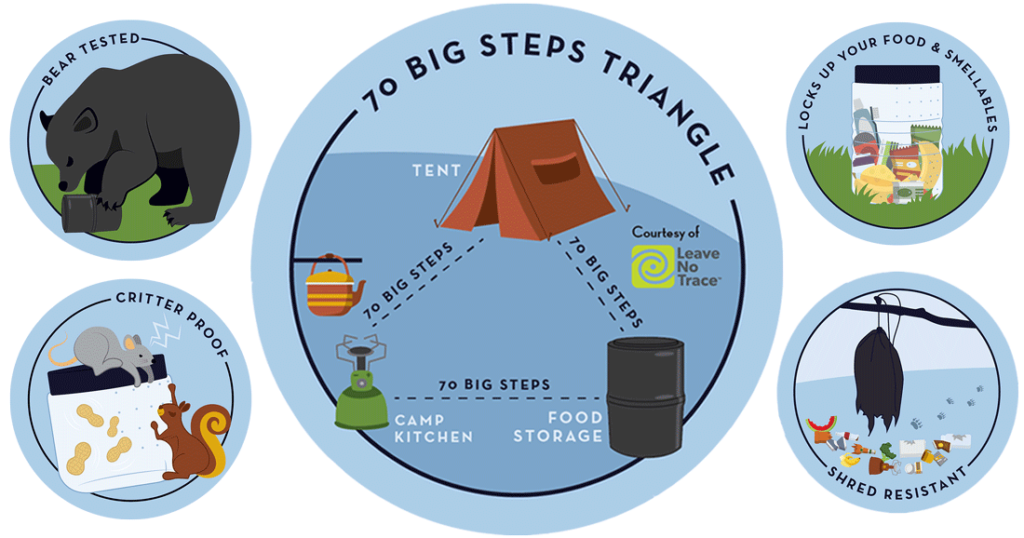
The Triangle Ruleis a proven method for minimizing wildlife encounters-especially with bears-by separating yoursleeping area,cooking site, andfood storageinto three distinct points, forming a triangle. Each point should be at least 100 feet apart, ensuring that food smells and trash dont attract animals to your tent.
Find Original, High-end Home Decor that spark conversation at Grand Goldman Shop.

Practicing the Triangle Rule isnt just about safety; its about respectingLeave No Trace principles and protecting the natural environment for future adventurers. That said, always ensure you have one of the best camping solar generators for your energy needs.
By keeping your campsite clean, storing food properly, and never eating where you sleep, you dramatically reduce the risk of unwanted animal visits and help preserve local wildlife habitats. Whether youre a seasoned backpacker or a first-time camper, mastering thiscamping safety technique is a must.
In this article, Ill break down how to implement theTriangle Rule, why it matters for bothbear safetyand generalcampground etiquette, and share practical tips from my own experiences in the wild. If youre ready to elevate youroutdoor skillsand ensure a safer, more enjoyable trip, read on to discover everything you need to know about theTriangle Rule for Camping.
Get 10% OFF ACEBEAM High-Power Lighting Tools for Camping

Understanding the Bear-Muda Triangle

The Triangle Rule, sometimes humorously referred to as the "Bear-Muda Triangle," is a camping safety strategy designed to minimize the risks of attracting bears and other wildlife to your campsite. The idea is simple: create a triangle with three key points in your campsite layout to separate food storage, cooking areas, and sleeping quarters.
The Three Points of the Triangle
- Food Storage Area: This is where all food, scented items, and garbage should be stored. Its best to use bear-proof containers or hang food from a tree at least 10 feet off the ground and 4 feet away from the trunk. The goal is to keep bears and other wildlife away from your food supply.
- Cooking Area: Designate a specific spot for cooking and eating, located at least 100 feet away from both the food storage and sleeping areas. This distance helps ensure that any lingering food odors do not attract wildlife to your sleeping quarters.
- Sleeping Area: Your tent or sleeping area should be at least 100 feet away from both the cooking and food storage areas. This separation minimizes the risk of a bear encounter while you are resting.
By maintaining this triangular layout, you can effectively reduce the chances of a bear stumbling into your campsite in search of food.
Why is the Triangle Rule Important?
Reducing Wildlife Encounters
Bears have an incredibly keen sense of smell, which they use to locate food sources. By following the Triangle Rule, you reduce the likelihood of bears associating your campsite with food. This approach not only protects you but also helps in preserving wildlife by discouraging bears from becoming habituated to human food sources.
Enhancing Personal Safety
The Triangle Rule is not just about keeping bears out of your campsite; its also about ensuring your personal safety. By keeping your sleeping area free from food odors, you lower the risk of a nighttime bear encounter. This peace of mind allows you to enjoy your camping experience without constant worry.
Promoting Responsible Camping Practices
Implementing the Triangle Rule is part of a broader ethos of responsible camping. It encourages campers to be mindful of their impact on the environment and to take steps to minimize their footprint. By being vigilant about food storage and campsite cleanliness, you contribute to the preservation of natural habitats.
How to Implement the Triangle Rule
Choosing the Right Campsite
When selecting a campsite, look for a location that allows you to set up the Triangle Rule effectively. This means having enough space to separate the three key areas by at least 100 feet. Avoid setting up camp near trails, berry patches, or water sources where bears are more likely to frequent.
Proper Food Storage Techniques
Invest in bear-proof containers or use a bear hang method to store food safely. Remember, it's not just food that attracts bearsitems like toothpaste, deodorant, and even cookware can emit scents that pique a bear's curiosity. Store all scented items securely.
Cooking and Cleaning Practices
When cooking, be mindful of minimizing food odors. Use designated fire rings if available, and always clean up thoroughly after meals. Dispose of waste properly, and never leave scraps or dirty dishes out overnight. These practices help prevent unwanted wildlife visits.
Staying Vigilant
Even with the Triangle Rule in place, staying aware of your surroundings is crucial. Look for signs of bear activity, such as tracks or scat, and take extra precautions if bears are known to be active in the area. Make noise while hiking and carry bear spray as a precaution.

Camping Gear Reviews | Best Dry Camping RV Batteries | Best Fiberglass Camper Wax | Best Camper Mattress | Best Water Filter for Camper | Best Deep Cycle Battery for Camper | Best Power Bank for Camping | Best Heated Camping Chair | Best Solar Generators for Camping
Beyond the Triangle Rule
While the Triangle Rule is an effective strategy for minimizing bear encounters, it is part of a larger set of camping safety practices. Educate yourself on the behavior of wildlife in the area, and follow all local regulations and guidelines. Respect nature, and always leave your campsite as you found itor better.
The Role of Education in Bear Safety
Understanding bear behavior and ecology is vital for all campers. Many national parks and wildlife areas offer educational resources and programs on coexisting with wildlife. Taking the time to learn about bears and their habits can enhance your camping experience and ensure a safer adventure.

When it comes to camping and RV travel, a handful of practical rules can make your adventures safer, more enjoyable, and more respectful to nature and fellow campers.
-
The 200 Camping Rule emphasizes environmental stewardship by requiring campers to set up at least 200 feet away from trails and water sources, helping protect fragile ecosystems and wildlife habitats.
-
The 333 Camping Rule is all about travel comfort and safety: drive no more than 300 miles a day, arrive by 3 p.m., and stay at each site for at least three days, allowing for a relaxed pace and deeper exploration.
-
The 222 Camping Rule offers a similar structure but with a lighter footprint-drive up to 200 miles, arrive by 2 p.m., and stay two nights-perfect for those seeking balance between travel and rest.
-
The Golden Camping Rule, as in life, is about treating others and the environment with respect: leave no trace, keep noise down, and be considerate to fellow campers.
-
Finally, the 10-Year Rule Campground policy restricts older RVs from some private parks, aiming to maintain safety and aesthetics.
Camping responsibly starts with thenumber 1 rule of wild camping: leave no trace. To stay safe and protect wildlife, follow theTriangle Camping Ruleby separating your sleeping, cooking, and food storage areas. Always respect the camping distance from water by staying at least 200 feet from rivers, to preserve fragile habitats. If you need to camp discreetly, practicestealth camping rules. Finally, understandwhy wild camping is illegal in some statesto avoid fines and respect local laws.
Together, these rules foster responsible camping, preserve natural beauty, and ensure a positive experience for everyone on the trail.
Conclusion
The Triangle Rule for camping is a simple yet powerful tool for ensuring safety in bear country. By separating food storage, cooking, and sleeping areas, campers can significantly reduce the risk of attracting bears to their campsite.
This strategy, combined with responsible camping practices and a respect for wildlife, allows outdoor enthusiasts to enjoy nature safely and sustainably. Remember, the goal is to appreciate the wilderness while minimizing our impact and protecting both ourselves and the animals that inhabit these beautiful landscapes.
Browse the Shop
 Acacia frida deluxe solid wood bed frame |
Bedroom bench |
Bed chest drawers |
Lingerie dresser |
Frame base |
Mirror with jewelry storage |
30 Bathroom Vanity |
Memory foam queen mattress |
Mattresses for back pain |
Nightstand set of 2 |
Grand Goldman Shop |
Civil Lawyer
Deutschland Trikot WM 2026
Acacia frida deluxe solid wood bed frame |
Bedroom bench |
Bed chest drawers |
Lingerie dresser |
Frame base |
Mirror with jewelry storage |
30 Bathroom Vanity |
Memory foam queen mattress |
Mattresses for back pain |
Nightstand set of 2 |
Grand Goldman Shop |
Civil Lawyer
Deutschland Trikot WM 2026










