

Wild camping, often called dispersed camping, offers a unique chance to immerse oneself in the raw beauty of nature, far from crowded campgrounds and amenities. As an experienced outdoor enthusiast and writer, Ive spent countless nights under the stars on public lands across the United States, gaining firsthand knowledge of the complex legal landscape surrounding this activity.
While it may seem that the vast wilderness of the U.S. invites unrestricted camping,wild campingis often misunderstood and, in many areas, is technicallyillegalwithout proper adherence to regulations.
Find Original, High-end Home Decor that spark conversation at Grand Goldman Shop.

The primary reason wild camping is restricted or illegal in certain parts of the United States stems from concerns aboutenvironmental preservation,public safety, andland management policies. Most public lands managed by agencies like theUS Forest Serviceor theBureau of Land Managementallow dispersed camping but impose strict rules-such as a maximum stay of 14 to 16 days in one spot and requirements to camp only in established or previously used sites to minimize ecological damage.National Parks, for example, generally prohibit wild camping outside designated campgrounds to protect fragile ecosystems and wildlife.
Moreover, fire restrictions and the risk of wildfires play a significant role in limiting where and when you can camp freely. These laws are designed to balance the freedom of outdoor recreation with the responsibility to safeguard natural resources for future generations. Understanding these nuances is crucial for anyone eager to experience the wilderness legally and respectfully. In this article, Ill unpack why wild camping is illegal in many U.S. areas and how you can navigate the rules to enjoy nature responsibly.
Get 10% OFF ACEBEAM High-Power Lighting Tools for Camping

1. Understanding Wild Camping
Wild camping involves setting up camp outside of established campgrounds, often in remote and undeveloped areas. This form of camping offers a unique way to reconnect with nature, but it is heavily regulated or outright illegal in many U.S. states. To understand why, we must explore the underlying concerns that drive these restrictions.
The Environmental Impact of Wild Camping
The foremost concern regarding wild camping is its potential detrimental impact on the environment. Unsanctioned camping can lead to significant issues such as littering, soil erosion, and disruption of wildlife habitats. These problems are particularly severe in fragile ecosystems, where recovery from human activities can be painstakingly slow. Protecting these environments is paramount to maintaining biodiversity and the health of our natural landscapes.
Furthermore, the presence of campers in delicate areas can introduce non-native species, further destabilizing the local ecosystem. Invasive plant species, for instance, can easily hitch a ride on camping gear or clothing. This unintentional spread can have long-lasting effects on indigenous plant life and the wildlife that depends on it for survival.
Fire Hazards and Wild Camping
Another critical factor in restricting wild camping is the risk of uncontrolled campfires, which pose a substantial threat of wildfires, especially in dry or densely wooded regions. Without proper oversight and adherence to safety protocols, the likelihood of devastating fires increases dramatically. These fires can endanger not only the environment but also nearby communities, causing property damage and putting lives at risk.
The challenge of managing campfire safety in remote locations cannot be understated. Lack of fire rings and the temptation to leave campfires unattended are common issues. In regions prone to drought, even a small ember can spark a catastrophic blaze, underscoring the need for stringent regulations.
Safety Concerns in Wild Camping
Wild camping also presents safety risks to the campers themselves. Remote locations may lack access to emergency services, leaving individuals vulnerable in the event of an accident or medical emergency. Additionally, campers can encounter dangerous wildlife, such as bears or snakes, as well as hazardous terrain that could lead to injuries.
The solitude that makes wild camping appealing also contributes to its risks. Without the proximity of fellow campers or park rangers, individuals may find themselves in precarious situations with no immediate help. This isolation makes preparedness and adherence to safety guidelines all the more essential.
Legal Liability and Land Management
Legal liability is another significant concern for landowners and government agencies responsible for managing these areas. If accidents or injuries occur on their land, they may face legal consequences. To mitigate these risks, many prefer to prohibit camping altogether, ensuring that they are not held accountable for incidents that occur on their property.
The complexities of liability laws vary from state to state, further complicating the issue. Some areas might enforce strict prohibitions to avoid potential legal battles, while others may implement specific regulations to protect both the land and its visitors.

Camping Gear Reviews
Best Dry Camping RV Batteries | Best Fiberglass Camper Wax | Best Camper Mattress2. Exploring Legal Camping Options
Although wild camping is off-limits in numerous areas, there remain ample legal options for camping enthusiasts. Understanding the distinctions between wild camping and dispersed camping is crucial for those planning responsible outdoor adventures. This knowledge can open up a world of possibilities for enjoying nature without legal concerns.
What is Dispersed Camping?
Dispersed camping, often referred to as backcountry camping, allows campers to set up their tents outside of developed campgrounds. This type of camping is typically permitted on public lands managed by agencies such as the Bureau of Land Management (BLM) or the U.S. Forest Service. It provides a middle ground between the freedom of wild camping and the structure of designated campgrounds.
Dispersed camping offers campers the chance to experience the wilderness more intimately, away from the crowds of established campgrounds. It encourages self-sufficiency and a deeper connection with the natural surroundings, as amenities are limited, and campers must rely on their skills and preparation.
3. Key Guidelines for Dispersed Camping
Obtaining the Necessary Permits
In some areas, permits are required for dispersed camping to manage the number of visitors and protect the environment. These permits can often be obtained online or at local ranger stations. It's essential to check with local authorities or land management agencies to determine if a permit is necessary for your chosen location.
Permit requirements may vary depending on the time of year and the popularity of the area. During peak seasons, advanced reservations might be needed to secure a spot. Understanding these regulations helps prevent overcrowding and ensures a more enjoyable experience for all campers.
Choosing the Right Location
Dispersed camping is generally allowed at least 100-200 feet away from roads, trails, and water sources to minimize environmental impact. This distance helps preserve the natural beauty and integrity of the area, preventing soil compaction and water contamination.
Selecting an appropriate campsite also involves considering the terrain and potential hazards. Look for durable surfaces to pitch your tent, and avoid areas prone to flooding or landslides. By respecting these guidelines, campers can help maintain the pristine condition of these natural spaces.
Adhering to Leave No Trace Principles
Campers engaging in dispersed camping are expected to follow Leave No Trace principles. These include packing out all trash, minimizing campfire impact, and respecting wildlife. By leaving the area as they found it, campers contribute to the conservation of these beautiful landscapes for future generations.
Leave No Trace also encompasses respecting other visitors and the cultural heritage of the area. This might involve staying on marked trails, avoiding loud noises, and refraining from taking natural or historical artifacts. Such practices ensure that everyone can enjoy the natural world without diminishing its value.
Understanding Stay Limits
Many areas have stay limits for dispersed camping, often ranging from 14 to 21 days. These limits prevent overuse and allow ecosystems to recover from human presence. Adhering to these restrictions ensures that the environment remains healthy and accessible for other visitors.
Stay limits also encourage campers to explore different areas, promoting a broader appreciation for the diverse landscapes available. By rotating their camping spots, individuals can experience a variety of ecosystems and contribute to a more sustainable use of the land.

4. Popular Dispersed Camping Areas
The United States boasts numerous dispersed camping areas that offer breathtaking scenery and solitude. These locations provide an opportunity to escape the hustle and bustle of everyday life and immerse oneself in nature's tranquility.
BLM Lands in Utah
Known for its stunning red rock formations, Utah offers extensive BLM lands where dispersed camping is permitted. The dramatic landscapes of places like Moab and Arches National Park attract adventurers seeking unique outdoor experiences.
Utah's diverse terrain also includes deserts, canyons, and forests, providing a range of environments to explore. Whether you're hiking through slot canyons or stargazing in the desert, Utah's BLM lands offer a captivating setting for dispersed camping.
National Forests in Colorado
With its majestic mountains and dense forests, Colorado provides ample opportunities for dispersed camping in its national forests. Areas like the San Juan and White River National Forests offer picturesque backdrops for outdoor enthusiasts.
Colorado's varied climate and geography mean that campers can enjoy different experiences depending on the season. From snow-capped peaks in winter to lush greenery in summer, the state's national forests are a haven for nature lovers.
California's Sierra Nevada
The Sierra Nevada offers diverse landscapes for dispersed camping, from alpine meadows to granite peaks. This region is renowned for its stunning vistas and abundant wildlife, making it a popular destination for nature enthusiasts.
The Sierra Nevada's accessibility to major cities like San Francisco and Los Angeles makes it an appealing option for weekend getaways. Whether you're exploring Yosemite's iconic landmarks or finding solitude in lesser-known areas, the Sierra Nevada promises an unforgettable adventure.

5. Camping Permits and Regulations
Understanding the regulations and permits required for camping is essential to ensure a safe and legal outdoor experience. Familiarity with these rules helps prevent potential legal issues and contributes to the protection of natural resources.
Where to ObtainCampingPermits
Permits for camping are often available online or at local ranger stations. Some areas may require reservations in advance, particularly during peak seasons. Checking the availability and requirements ahead of time ensures a smoother planning process.
Online platforms offer convenience and accessibility, allowing campers to secure permits from the comfort of their homes. However, visiting a ranger station can provide valuable insights into current conditions and recommendations for your trip.
Understanding Camping Permits Fee Structure
Permit fees vary depending on the location and the type of camping. Some areas offer free dispersed camping permits, while others charge a nominal fee. These fees often contribute to the maintenance and preservation of the campsites and surrounding environments.
Understanding the fee structure is crucial for budgeting and planning your camping trip. It's also essential to recognize that these fees support efforts to protect and manage public lands, ensuring their continued availability for recreational use.
NavigatingCamping PermitsSpecial Restrictions
Certain areas may have additional restrictions, such as fire bans or group size limits. Always check current regulations before setting out to ensure compliance and safety. These restrictions are often in place to protect both the environment and campers.
Fire bans, for example, are implemented during periods of high fire risk to prevent wildfires. Understanding these restrictions helps campers adapt their plans accordingly, ensuring a safe and enjoyable experience without compromising the safety of others.
Camping Laws in the States
Camping laws can vary significantly from state to state. While some regions embrace outdoor recreation, others impose strict regulations to safeguard the environment and ensure public safety. Familiarity with these laws is crucial for responsible camping.
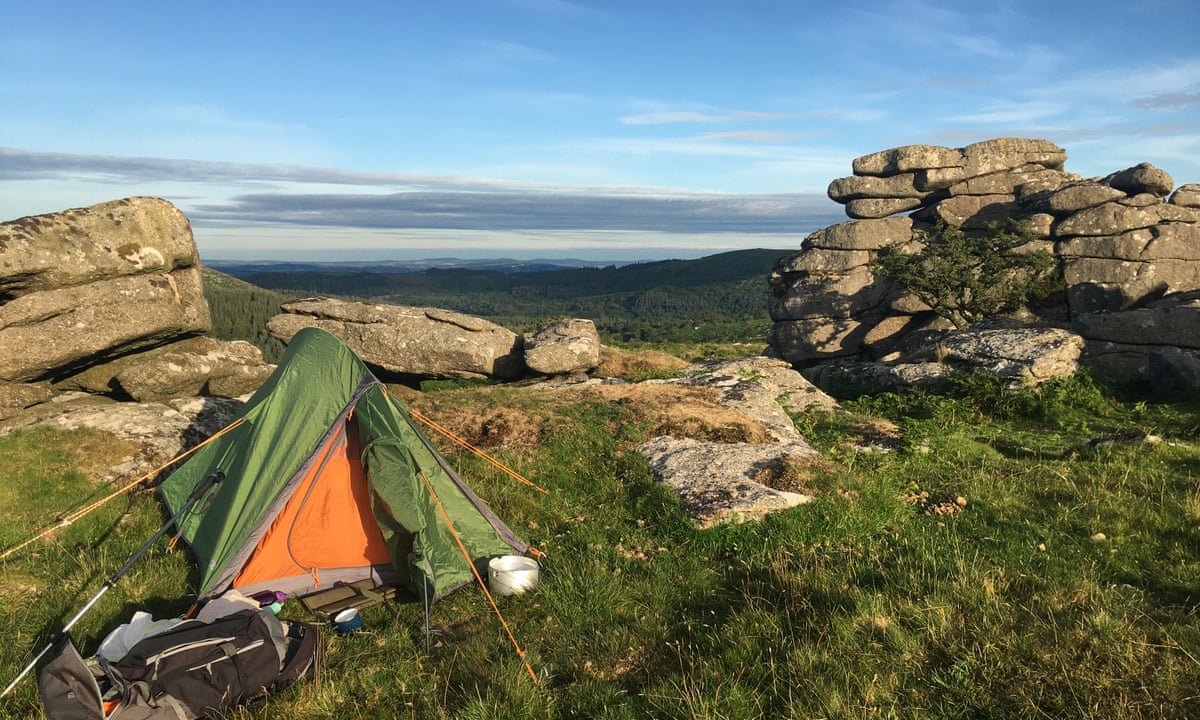
6. Examples of State-Specific Camping Laws
California's Camping Regulations
Due to frequent wildfires, California enforces strict regulations on campfires and requires permits for many areas. These measures aim to reduce the risk of fires and protect the state's diverse ecosystems.
California's varied landscapes, from coastal areas to mountainous regions, mean that regulations can differ widely. Campers must stay informed about specific rules for their chosen destination, ensuring they comply with all requirements.
New York's Wild Camping Policies
Wild camping is generally prohibited in New York State Parks, but designated campgrounds are available. These areas offer facilities and amenities that provide a more structured camping experience.
New York's emphasis on designated campgrounds reflects its commitment to preserving natural areas while accommodating visitors. By utilizing these facilities, campers can enjoy the state's scenic beauty without infringing on protected areas.
Texas' State Park Reservations
State parks in Texas often require advance reservations for camping, with limited options for dispersed camping on public lands. These reservations help manage visitor numbers and maintain the parks' ecological health.
Texas' diverse environments, from deserts to forests, attract a wide range of outdoor enthusiasts. Understanding the state's reservation system ensures that campers can secure their spot and plan their visit effectively.

7. Comparing U.S. and European Camping Laws
In contrast to the U.S., wild camping is more widely accepted in many European countries. Exploring these differences provides valuable insights into how various regions approach outdoor recreation and environmental stewardship.
Europe's Right to Roam
Countries like Sweden and Norway embrace "Allemansrtten," or the right to roam, allowing people to camp on private land with certain restrictions. This cultural norm reflects a deep connection to nature and a commitment to accessibility for all.
The right to roam underscores the importance of respecting both the land and the rights of landowners. Campers are encouraged to practice responsibility and courtesy, ensuring that their presence does not disrupt the environment or local communities.
Designated Areas in Europe
While wild camping is more common, some European countries designate specific areas where camping is allowed, akin to dispersed camping in the U.S. These areas balance the desire for freedom with the need for environmental protection.
Designated camping areas often come with guidelines to ensure sustainability, such as limits on the number of campers or restrictions on campfires. By following these guidelines, campers can enjoy the outdoors while minimizing their ecological footprint.
Environmental Responsibility
European countries often emphasize environmental responsibility and require campers to follow strict Leave No Trace principles. This commitment to conservation is ingrained in the culture and supports the long-term preservation of natural landscapes.
The focus on environmental responsibility extends to education and community involvement, fostering a culture of respect and stewardship. By adopting these principles, campers contribute to the health and vitality of the ecosystems they cherish.

When it comes to camping and RV travel, a handful of practical rules can make your adventures safer, more enjoyable, and more respectful to nature and fellow campers.
-
The 200 Camping Rule emphasizes environmental stewardship by requiring campers to set up at least 200 feet away from trails and water sources, helping protect fragile ecosystems and wildlife habitats.
-
The 333 Camping Rule is all about travel comfort and safety: drive no more than 300 miles a day, arrive by 3 p.m., and stay at each site for at least three days, allowing for a relaxed pace and deeper exploration.
-
The 222 Camping Rule offers a similar structure but with a lighter footprint-drive up to 200 miles, arrive by 2 p.m., and stay two nights-perfect for those seeking balance between travel and rest.
-
The Golden Camping Rule, as in life, is about treating others and the environment with respect: leave no trace, keep noise down, and be considerate to fellow campers.
-
Finally, the 10-Year Rule Campground policy restricts older RVs from some private parks, aiming to maintain safety and aesthetics.
Camping responsibly starts with thenumber 1 rule of wild camping: leave no trace. To stay safe and protect wildlife, follow theTriangle Camping Ruleby separating your sleeping, cooking, and food storage areas. Always respect the camping distance from water by staying at least 200 feet from rivers, to preserve fragile habitats. If you need to camp discreetly, practicestealth camping rules. Finally, understandwhy wild camping is illegal in some statesto avoid fines and respect local laws.
Together, these rules foster responsible camping, preserve natural beauty, and ensure a positive experience for everyone on the trail.
Conclusion
While camping is restricted in many parts of the United States, understanding the reasons behind these laws and exploring legal alternatives can help you enjoy the great outdoors responsibly. Whether you choose to camp in designated campgrounds or explore the freedom of dispersed camping, respecting nature and following regulations is key to preserving these beautiful landscapes for future generations.
Embracing responsible camping practices not only enhances your experience but also ensures that future generations can enjoy the same natural wonders. By staying informed and making conscientious choices, you contribute to the ongoing protection and appreciation of our planet's diverse ecosystems.
Browse the Shop
 Acacia frida deluxe solid wood bed frame |
Bedroom bench |
Bed chest drawers |
Lingerie dresser |
Frame base |
Mirror with jewelry storage |
30 Bathroom Vanity |
Memory foam queen mattress |
Mattresses for back pain |
Nightstand set of 2 |
Grand Goldman Shop |
Civil Lawyer
Deutschland Trikot WM 2026
Acacia frida deluxe solid wood bed frame |
Bedroom bench |
Bed chest drawers |
Lingerie dresser |
Frame base |
Mirror with jewelry storage |
30 Bathroom Vanity |
Memory foam queen mattress |
Mattresses for back pain |
Nightstand set of 2 |
Grand Goldman Shop |
Civil Lawyer
Deutschland Trikot WM 2026










