

Stealth camping has become a hot topic among outdoor enthusiasts and van lifers, but understanding thestealth camping rulesis crucial before you set out to camp under the radar. As someone who has spent years exploring both wild and urban landscapes, Ive learned thatstealth camping-the practice of camping discreetly in areas not explicitly designated for overnight stays-offers unique freedom but also comes with legal and ethical responsibilities.
Whether youre tucking your van behind a quiet city block or pitching a tent deep in the woods, knowing thelocal laws,municipal ordinances, andpublic land regulationscan mean the difference between a peaceful night and a costly fine.
Find Original, High-end Home Decor that spark conversation at Grand Goldman Shop.

Many U.S. public lands, like those managed by theBureau of Land Managementor national forests, allow whats calleddispersed camping, provided you follow guidelines such as staying at least 150 feet from water sources and avoiding sensitive ecological areas.However,urban stealth campingis often restricted or outright prohibited, with cities enforcing rules to maintain public safety and prevent misuse of public spaces.Trespassing onprivate propertywithout permission is always illegal.
My experience has taught me that responsible stealth camping means leaving no trace, respecting local communities, and always researchingovernight parking rulesin advance. In this article, Ill break down the essentialstealth camping rules, share expert tips for staying undetected, and help you camp safely, legally, and respectfully-wherever your adventure takes you.
Get 10% OFF ACEBEAM High-Power Lighting Tools for Camping

1. What Is Stealth Camping?
Stealth camping is the practice of camping in an area without being noticed, usually in a place where camping is not officially allowed or where you do not have permission. This could be in a forest, a park, or even urban environments. The goal is to leave no trace of your presence, minimizing impact on the environment and avoiding conflicts with landowners or authorities.
Stealth Tent Camping
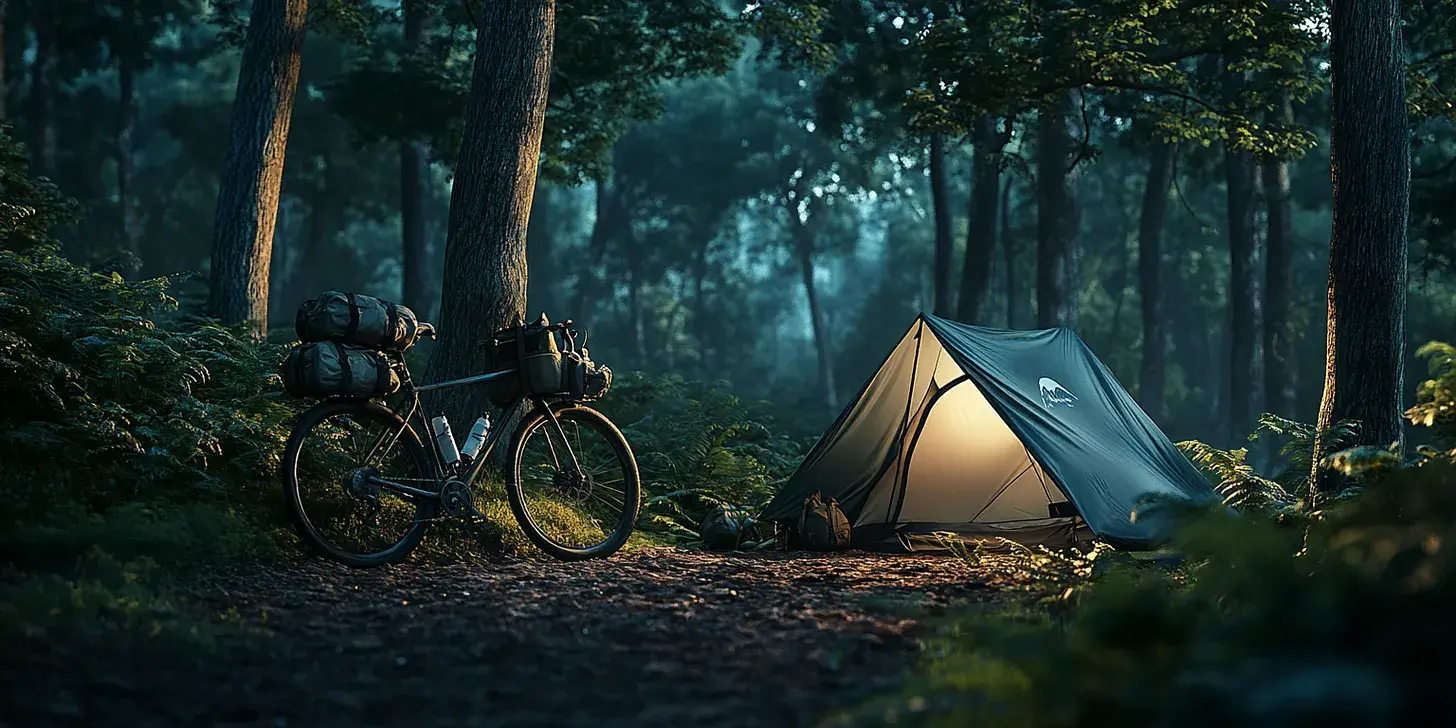
When it comes to stealth tent camping, the key is to be as unobtrusive as possible. This means using a tent that blends into the surroundings, setting up camp late in the day, and packing up early the next morning. Choosing a tent color that mimics natural tones like greens, browns, or grays can help you stay hidden. Additionally, selecting a campsite that is naturally shielded by foliage or terrain can further reduce visibility.
Avoid making noise and building fires, as these can easily attract attention. Cooking should be done discreetly, using a portable stove instead of an open flame, which can be seen from a distance. It's also wise to avoid setting up camp near trails or paths where people frequently pass, as this increases the chance of being discovered.
Packing efficiently is crucial. Bringing only essential items not only makes your load lighter but also ensures a quick setup and takedown of your camp. This agility allows you to leave swiftly if needed, maintaining your stealth presence.
Car Stealth Camping
Car stealth camping, or stealth car camping, is another method where individuals sleep in their vehicles. This often involves parking in inconspicuous locations, such as rest areas, truck stops, or residential streets. It's important to ensure that you are not trespassing on private property and to remain respectful of local laws and ordinances.
To enhance your stealth, consider using window covers or curtains to block light from escaping and to maintain privacy. Parking under streetlights or in highly visible areas should be avoided, as it can draw unwanted attention. Instead, choose spots that blend with the environment, like near other parked cars or in low-traffic areas.
Keeping your car clean and organized is also beneficial. A cluttered vehicle can attract curiosity and potentially lead to an encounter with law enforcement or property owners. Lastly, be mindful of your cars noiseturn off the engine and any music to maintain a low profile.

Camping Gear Reviews
Best Dry Camping RV Batteries | Best Fiberglass Camper Wax | Best Camper Mattress2. Is Stealth Camping Illegal?
The legality of stealth camping varies depending on the location. In many national parks and state parks, camping is only allowed in designated campgrounds. Stealth camping in these areas can lead to fines or other legal consequences. Always research local laws and regulations before attempting to camp stealthily.
Understanding Local Regulations
Every region has different rules regarding camping, and it's crucial to understand these before embarking on a stealth camping trip. Familiarize yourself with local ordinances and state laws, as these can dictate where and how you are allowed to camp. Failing to comply can result in fines, legal action, or being asked to leave.
DNR Michigan and State-Specific Rules
For example, in Michigan, the Department of Natural Resources (DNR) has specific rules about where camping is allowed. Stealth camping on state land without a permit can be illegal and may result in penalties. It's crucial to understand the rules of the area you plan to visit.
The Role of Permits
In some areas, camping permits may be required even for dispersed camping. These permits help manage the impact on the environment and ensure that camping is done responsibly. Check if your intended camping area requires a permit and obtain one if necessary. This not only ensures compliance but also helps protect natural resources.
3. Stealth Camping Etiquette
To camp stealthily and responsibly, adhere to the following etiquette:
Leave No Trace
The Leave No Trace principle is critical in stealth camping. This means packing out all trash, minimizing your impact on the environment, and leaving the site as you found it. Even small items like food scraps and biodegradable waste should be disposed of properly to prevent disrupting local ecosystems.
Pay special attention to the ground and vegetation when setting up your camp. Use existing clearings rather than creating new ones, and avoid cutting branches or foliage. After breaking camp, take a moment to ensure that no trace of your presence remains, including flattened grass or disturbed soil.
Respect Wildlife and Nature
Avoid disturbing wildlife and stick to existing trails to prevent damage to vegetation. Stealth campers should be especially mindful of their surroundings and take care not to disrupt the natural habitat. Observing animals from a distance and keeping food securely stored reduces the risk of attracting wildlife to your campsite.
In addition to preserving the natural environment, respecting wildlife means not feeding animals or altering their habitat. Human food can harm wildlife, and dependence on it can disrupt their natural behaviors. Always be cautious with waste and food storage to prevent unwanted interactions.
Keep Noise to a Minimum
Stealth camping is about blending in, so keep noise levels low. This includes speaking softly, refraining from playing loud music, and avoiding activities that may disturb the peace. Consider using headphones if you wish to listen to music or podcasts, ensuring that only you can hear the sound.
Avoid setting up camp near busy or noisy areas, as this can increase the likelihood of being noticed. If traveling with others, communicate using whispers or hand signals to maintain a quiet presence. Remember, the goal is to coexist peacefully with the environment and any other people nearby.

4. How to Stealth Camp Safely
Research and Planning
Before heading out, research your intended camping area. Platforms like Reddit camping forums can be valuable resources for tips and location advice from other campers. Understanding the terrain and potential risks can help you plan a safe and successful stealth camping experience.
Gather information on the local climate and weather conditions, as these can impact your camping experience. Knowing what to expect helps in packing appropriate gear and clothing, ensuring comfort and safety. Additionally, understanding potential hazards like wildlife, unstable terrain, or flood-prone areas is crucial for a safe trip.
Pack Light and Smart
Packing light is essential for stealth camping, as it allows you to set up and break down camp quickly. Choose a small, camouflaged tent and use a backpack that blends with the environment. Bring only the essentials, focusing on items that will help you stay under the radar.
Consider the weight and functionality of each item you pack. Multi-use tools and gear can reduce the amount you need to carry, simplifying your load. Also, prioritize comfort and safety by including items like a reliable sleeping bag, first aid kit, and appropriate clothing for varying weather conditions.
Choose Your Spot Wisely
When selecting a campsite, look for areas that are naturally secluded and offer some cover, such as trees or bushes. Avoid setting up camp in open areas or places where you are likely to be disturbed. Scouting potential sites during the day can provide a better understanding of the area and help identify optimal spots.
Consider factors such as proximity to water sources, potential for shelter from the wind, and escape routes in case of an emergency. Avoid areas with signs of frequent human activity, such as litter or well-trodden paths, to reduce the likelihood of being discovered.
5. National Parks and Reservations
Camping in national parks often requires reservations, and stealth camping is typically prohibited. To enjoy these beautiful locations legally, plan ahead and secure a spot at a designated campground. This not only ensures a safe and legal camping experience but also helps protect the natural environment.
Understanding Reservation Systems
Familiarize yourself with the reservation systems used by national and state parks. Many parks have online booking options that allow you to reserve a campsite well in advance. Planning your trip around available dates can help you secure a spot in popular destinations, avoiding the need for stealth camping.
Campground State Parks
State parks offer a variety of camping options with designated sites, facilities, and amenities. These campgrounds are managed to minimize environmental impact and provide a structured experience for visitors. While it may not offer the same solitude as stealth camping, it ensures compliance with local regulations.
Balancing Solitude and Safety
If solitude is a priority, consider visiting parks during off-peak seasons or weekdays when fewer people are around. Choosing a campsite further from main facilities can also provide a sense of seclusion while still adhering to park rules. Balancing the desire for solitude with legal and environmental considerations ensures a responsible and enjoyable camping experience.
![What Is Stealth Camping? [Your Guide For Secret Camping]](https://survival-kompass.de/img/artikel/was-ist-stealth-camping.jpg)
When it comes to camping and RV travel, a handful of practical rules can make your adventures safer, more enjoyable, and more respectful to nature and fellow campers.
-
The 200 Camping Rule emphasizes environmental stewardship by requiring campers to set up at least 200 feet away from trails and water sources, helping protect fragile ecosystems and wildlife habitats.
-
The 333 Camping Rule is all about travel comfort and safety: drive no more than 300 miles a day, arrive by 3 p.m., and stay at each site for at least three days, allowing for a relaxed pace and deeper exploration.
-
The 222 Camping Rule offers a similar structure but with a lighter footprint-drive up to 200 miles, arrive by 2 p.m., and stay two nights-perfect for those seeking balance between travel and rest.
-
The Golden Camping Rule, as in life, is about treating others and the environment with respect: leave no trace, keep noise down, and be considerate to fellow campers.
-
Finally, the 10-Year Rule Campground policy restricts older RVs from some private parks, aiming to maintain safety and aesthetics.
Camping responsibly starts with thenumber 1 rule of wild camping: leave no trace. To stay safe and protect wildlife, follow theTriangle Camping Ruleby separating your sleeping, cooking, and food storage areas. Always respect the camping distance from water by staying at least 200 feet from rivers, to preserve fragile habitats. If you need to camp discreetly, practicestealth camping rules. Finally, understandwhy wild camping is illegal in some statesto avoid fines and respect local laws.
Together, these rules foster responsible camping, preserve natural beauty, and ensure a positive experience for everyone on the trail.
Conclusion
Stealth camping can be an exciting way to connect with nature and enjoy solitude, but it must be done with care and respect for the environment and the law.
By understanding the meaning of stealth camping, adhering to rules and etiquette, and planning your trip carefully, you can have a rewarding experience without leaving a negative impact. Always remember to prioritize safety, legality, and respect for nature and others while embarking on your stealth camping adventures.
Browse the Shop
 Acacia frida deluxe solid wood bed frame |
Bedroom bench |
Bed chest drawers |
Lingerie dresser |
Frame base |
Mirror with jewelry storage |
30 Bathroom Vanity |
Memory foam queen mattress |
Mattresses for back pain |
Nightstand set of 2 |
Grand Goldman Shop |
Civil Lawyer
Deutschland Trikot WM 2026
Acacia frida deluxe solid wood bed frame |
Bedroom bench |
Bed chest drawers |
Lingerie dresser |
Frame base |
Mirror with jewelry storage |
30 Bathroom Vanity |
Memory foam queen mattress |
Mattresses for back pain |
Nightstand set of 2 |
Grand Goldman Shop |
Civil Lawyer
Deutschland Trikot WM 2026










