

If youre like me, the allure ofcampingis hard to resist-theres nothing quite like the freedom of sleeping under the stars, surrounded by natures tranquility. But before you pack your gear and head out, its crucial to understand where you canlegally set up camp in the US.
The rules forwild camping-also known asdispersed campingorprimitive camping-vary widely depending on whether youre onnational park,BLM land,national forest, orprivate property. Knowing the difference can mean the difference between a peaceful night and an unexpected fine.
Find Original Home Decor sparking conversation at Grand Goldman Shop.

On mostpublic landsmanaged by the Bureau of Land Management (BLM) or the US Forest Service,dispersed campingis generally allowed, often free of charge, but comes with important restrictions. For example, you can usually stay up to 14 days in one spot within a 28-day period before you must relocate, and youre expected to camp at least 100 feet from water sources to protect fragile ecosystems. In those lands, ensure you have one of the best camping solar generators for your energy needs.
In contrast,national parksoften have stricter rules, requiring you to camp only in designated areas and sometimes obtain permits.Meanwhile,private landalways requires the landowners permission, andstate parkstypically confine camping to established campgrounds.
As an experienced outdoor enthusiast, Ive learned that the key to a successful camping trip is preparation. Always research the specific areas regulations, respectLeave No Traceprinciples, and check for seasonal fire bans or permit requirements. By staying informed and respectful, you can enjoy Americas vast wilderness legally and responsibly-ensuring these wild spaces remain open for everyone.
Get 10% OFF ACEBEAM High-Power Lighting Tools for Camping
1. Understanding Different Types of Camping
Before delving into the legalities, it's important to understand some common camping terms that often arise in discussions about camping locations. These terms can significantly impact the type of camping experience you are looking for and the preparations you need to make.
What is Dispersed Camping?
Dispersed camping refers to camping outside of designated campgrounds. It's a form of camping that usually comes at no cost and offers a chance to enjoy a more solitary experience in nature. This type of camping is popular on BLM land and in national forests, where you can set up camp in areas not specifically marked as campgrounds. While dispersed camping can be liberating, it also requires campers to be more self-sufficient and environmentally conscious, as there are generally no facilities or amenities provided.
The allure of dispersed camping lies in its freedom and flexibility, allowing campers to immerse themselves in nature without the constraints of a designated campsite. However, with this freedom comes responsibility. Campers must ensure they adhere to Leave No Trace principles, meaning they should leave the area as they found it and minimize their environmental impact. This includes packing out all trash, minimizing campfire impacts, and avoiding disturbing wildlife.
What is Primitive Camping?
Primitive camping is similar to dispersed camping and involves camping in undeveloped areas without facilities like restrooms, running water, or electricity. This form of camping appeals to those who want to experience the wilderness in its rawest form. Primitive camping often requires a higher level of preparedness, as campers must bring all necessary supplies, including water, food, and shelter.
For many, primitive camping offers a chance to reconnect with nature and practice essential outdoor skills. It provides an opportunity to escape modern conveniences and embrace a simpler way of life, even if just temporarily. However, the lack of amenities means that campers must be well-prepared and knowledgeable about outdoor survival techniques, such as purifying water and safely storing food to avoid attracting wildlife.
Discover the Best Camping Water Filter

What is Backcountry Camping?
Backcountry camping involves hiking to a remote location to set up camp, often in rugged and secluded areas. It's typically done in national parks or forests and requires a higher level of self-sufficiency since you'll need to pack in all of your supplies. Backcountry camping is for those who seek adventure and solitude, offering a chance to explore untouched landscapes and enjoy a deeper connection with nature.
Planning is crucial for backcountry camping, as the remoteness of these areas means that help may not be readily available in an emergency. Campers should be proficient in navigation, first aid, and wilderness survival. Backcountry camping often requires permits and adherence to specific regulations designed to protect these pristine environments. By following these guidelines, campers can help preserve the natural beauty of these areas for future generations.

2. Legal Camping on Public Lands
With a basic understanding of camping types, let's explore where you can legally camp in the U.S. Public lands offer a wide range of camping opportunities, but regulations vary depending on the type of land and location.
Camping in National Parks
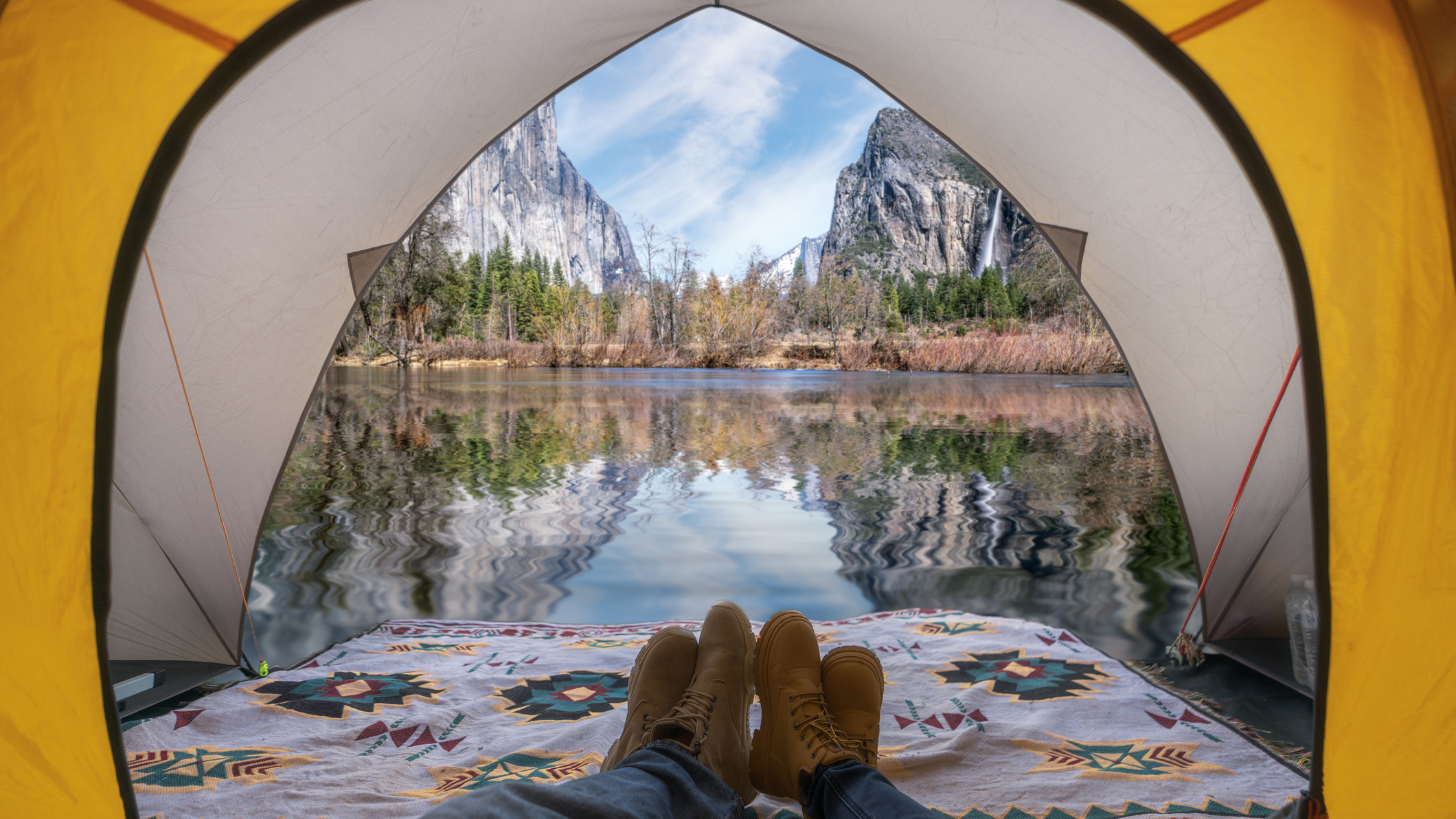
National parks are among the most popular camping destinations in the U.S. They offer a variety of campsites, from developed campgrounds with amenities to backcountry sites. However, regulations vary by park, and it's crucial to check the specific rules for the park you're visiting. Most national parks require a permit for backcountry camping, and some have restrictions on where you can camp.
Camping in national parks allows you to experience some of the country's most iconic landscapes, from the towering cliffs of Yosemite to the geothermal wonders of Yellowstone. However, due to their popularity, campsites can fill up quickly, especially during peak seasons.
It's advisable to make reservations well in advance and familiarize yourself with park regulations to ensure a smooth and enjoyable visit. Additionally, being aware of park-specific rules helps protect the environment and ensures that these natural treasures remain accessible for generations to come.
Bureau of Land Management (BLM) Land
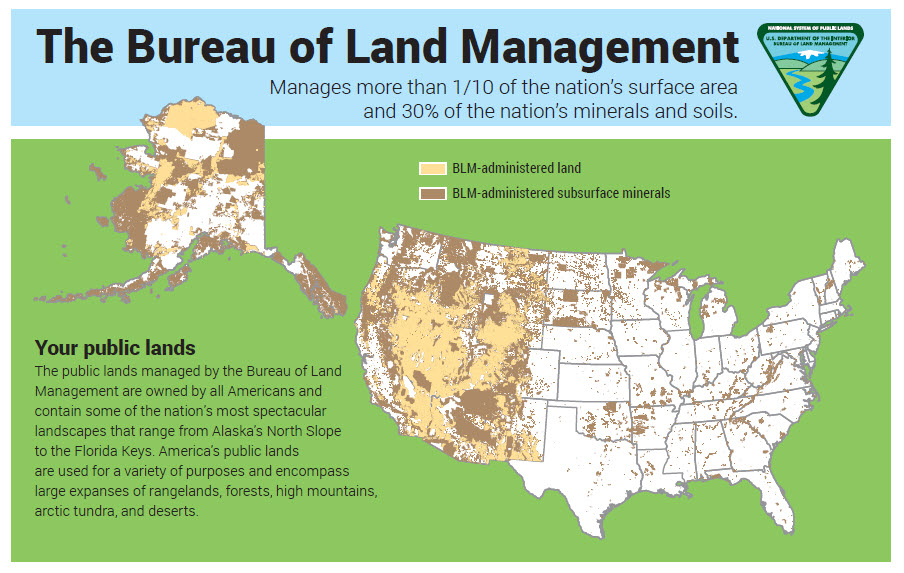
BLM land is public land managed by the Bureau of Land Management and offers numerous opportunities for dispersed camping. In general, you can camp almost anywhere on BLM land, unless otherwise posted. However, campers are usually limited to a 14-day stay in one location. After that, you must move at least 25 miles away. It's important to follow Leave No Trace principles to minimize your impact on the environment.
Camping on BLM land provides a unique opportunity to explore vast, undeveloped areas, from deserts to mountains. However, the lack of amenities means that campers must be self-reliant and prepared for varying conditions. It's essential to carry sufficient water, food, and supplies, as services and facilities are often sparse. By respecting the rules and practicing responsible camping, you can enjoy the freedom of BLM land while helping to preserve its natural beauty.
Camping in National Forests
:max_bytes(150000):strip_icc()/TAL-most-scenic-camping-denali-UPDATE-SCENICCAMPING0425-6c8f431abaf44906b2fb55d05b11a2e2.jpg)
Selected Campgrounds | Best Campgrounds State Land NY | Best Free Campings NY | Best Free RV Parks Massachussets
National forests are another excellent option for dispersed camping. Like BLM land, you can usually camp anywhere in a national forest unless there are signs prohibiting it. Some national forests may require permits for certain areas, especially in popular or sensitive regions. Always check with the local ranger district for specific rules and recommendations.
National forests offer diverse landscapes and a wealth of recreational opportunities, from hiking and fishing to wildlife viewing. When camping in a national forest, it's crucial to be aware of fire restrictions and any seasonal closures that may be in place. By respecting these regulations, you can help protect these vital ecosystems and ensure a safe and enjoyable camping experience for yourself and others.
Camping Gear Reviews

Best Dry Camping RV Batteries | Best Fiberglass Camper Wax | Best Camper Mattress | Best Water Filter for Camper | Best Deep Cycle Battery for Camper | Best Power Bank for Camping | Best Heated Camping Chair
State Parks with Camping
:max_bytes(150000):strip_icc()/lake-wenatchee-state-park_HERO_CAMPWA0922-09e49c99f7fd4a3b9238bdfd4475928b.jpg)
State parks often provide developed campgrounds with amenities such as restrooms, showers, and picnic tables. Some state parks also offer primitive or backcountry camping. Regulations vary by state, so it's essential to check the rules for the specific state park you plan to visit. Reservations may be required, especially during peak camping seasons.
Camping in state parks offers a balance between convenience and natural beauty, making it an ideal choice for families and those new to camping. With a range of facilities and recreational activities, state parks provide an accessible way to enjoy the outdoors. However, it's important to respect park rules and regulations, as they are designed to protect the environment and ensure the safety and enjoyment of all visitors.
3. Legal Considerations for Camping
While public lands offer many opportunities for camping, there are legal considerations to keep in mind to ensure a safe and enjoyable experience. Understanding these considerations can help you avoid potential pitfalls and make the most of your camping trip.
Is Wild Camping Legal in the US?
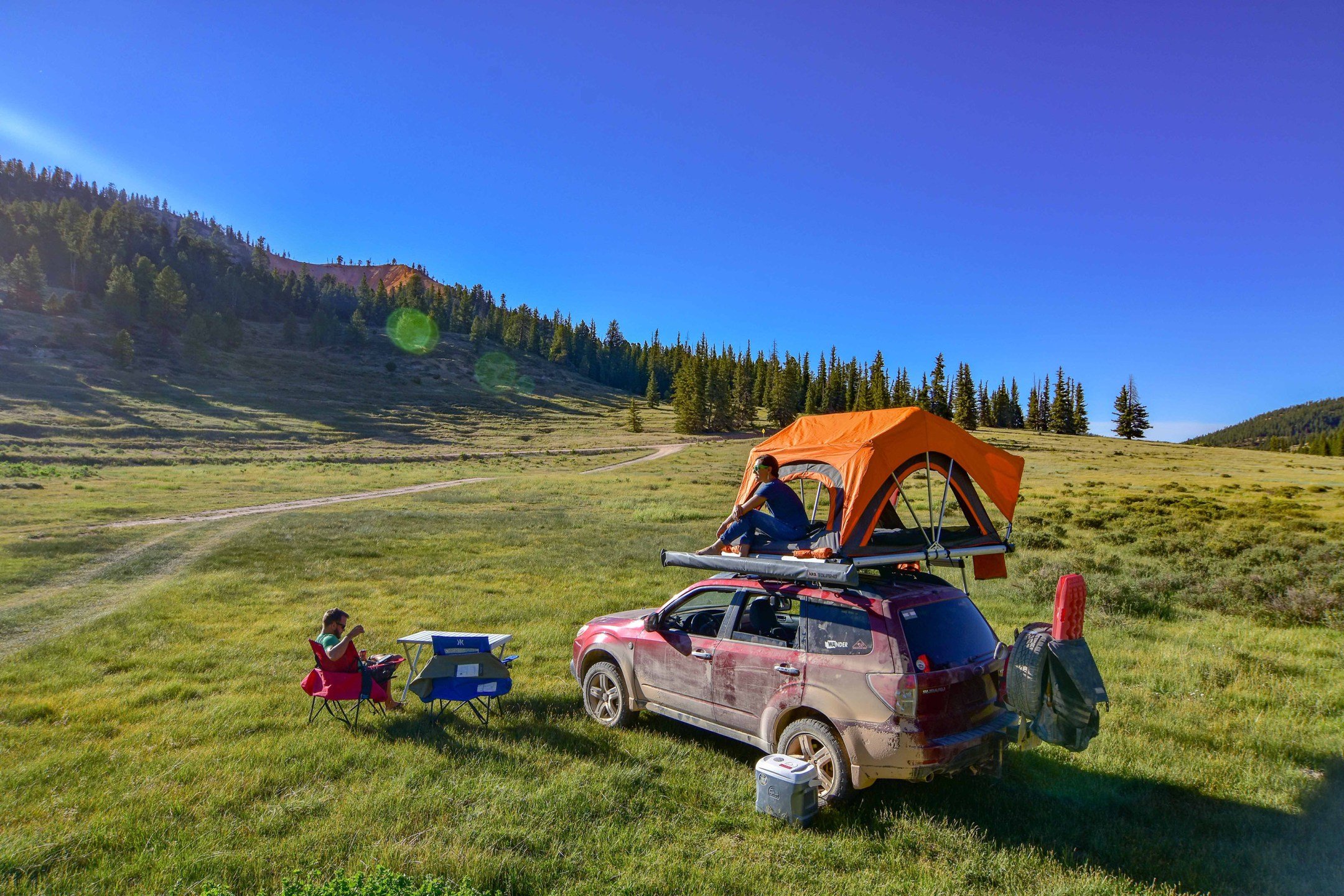
Wild camping, often synonymous with dispersed or primitive camping, is generally legal on BLM land and in national forests, as long as you follow the rules and regulations. It's important to note that wild camping is typically not allowed on private property without permission. Trespassing on private land without permission can result in fines or legal action, so always ensure you have the landowner's consent if you're considering camping on private property.
When camping in wild areas, it's crucial to be aware of local regulations and any restrictions that may be in place. Some areas may have specific rules regarding campfires, wildlife protection, or seasonal closures. By respecting these regulations, you can help preserve the natural environment and ensure a positive experience for yourself and future campers.
Is Camping at a Hotel Legal in the US?

Camping at a hotel, meaning setting up a tent or RV in a hotel's parking lot, is generally not legal unless the hotel explicitly allows it. Most hotels have strict policies against this, and you could be asked to leave or face fines. Hotels are private properties, and using their facilities without permission is considered trespassing.
If you're traveling with an RV and need a place to stay overnight, consider looking for designated RV parks or campgrounds. Many of these facilities offer amenities such as hookups, restrooms, and showers, providing a more comfortable and legal camping experience. Always check with the property owner or manager if you're unsure about the rules regarding overnight stays.
What is a Dispersed Campsite?
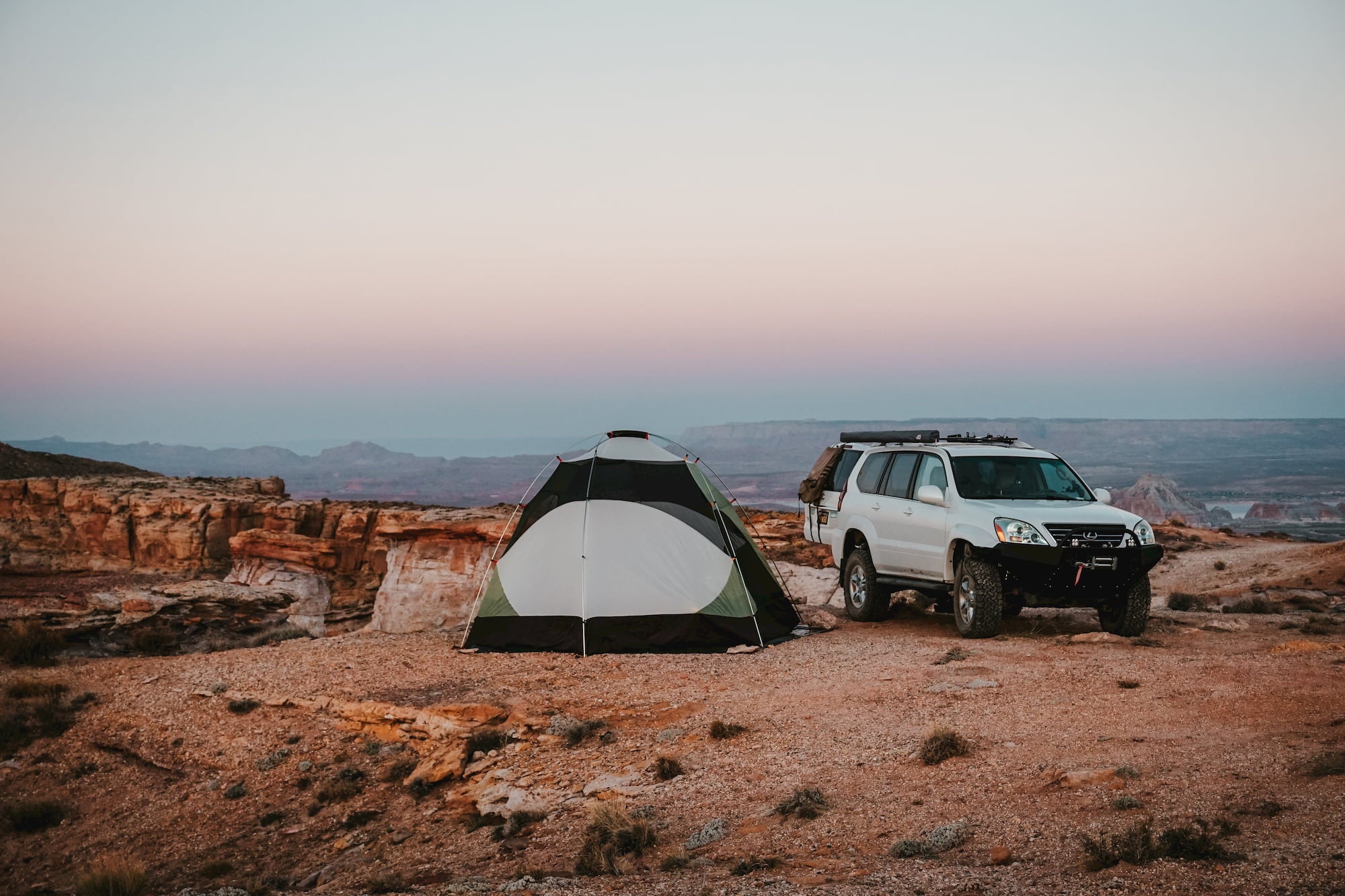
A dispersed campsite is an area where dispersed camping is allowed. These sites are usually not marked and don't have facilities, but they offer a more secluded camping experience. When choosing a dispersed campsite, select a spot that has been used before to minimize your impact on the environment. Campers should also be mindful of local regulations and any restrictions that may apply to the area.
Dispersed campsites provide an opportunity to enjoy nature in its purest form, away from the crowds and noise of developed campgrounds. However, this also means that campers must be more self-sufficient and prepared for varying conditions. By practicing responsible camping and adhering to Leave No Trace principles, you can help preserve the natural beauty of these areas for future generations to enjoy.
4. Tips for Responsible Camping
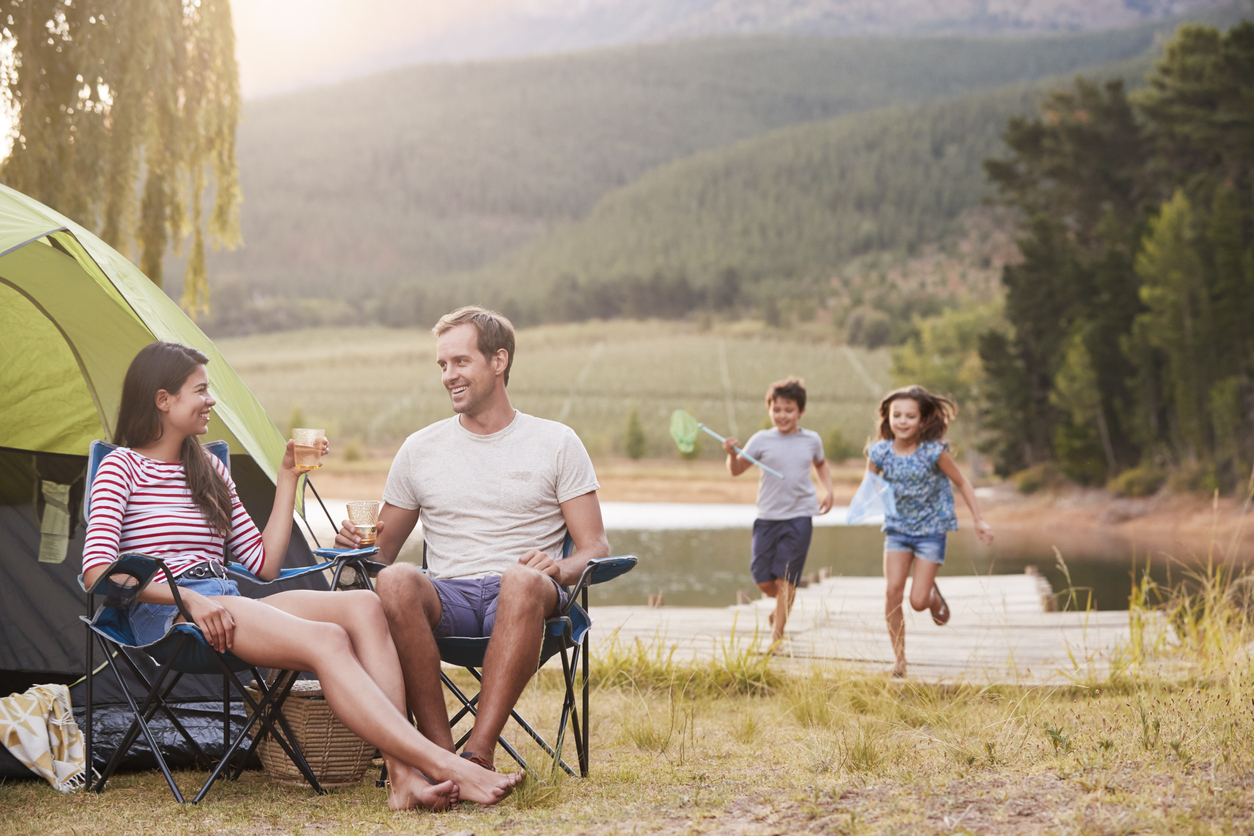
Camping responsibly is crucial for preserving the natural beauty of our public lands. Here are some tips to help you camp responsibly and ensure a positive experience for yourself and others:
- Leave No Trace: Always clean up after yourself and pack out all trash. This includes properly disposing of waste, minimizing campfire impacts, and avoiding damaging vegetation. By following Leave No Trace principles, you can help protect the environment and preserve the natural beauty of the area.
- Respect Wildlife: Keep a safe distance from wildlife and never feed animals. Feeding wildlife can disrupt their natural behaviors and create dangerous situations for both animals and humans. By respecting wildlife, you can help maintain the delicate balance of these ecosystems and ensure a safe experience for all.
- Campfire Safety: Follow regulations regarding campfires, and ensure your fire is completely out before leaving. Campfires can pose a significant risk to the environment, especially in dry conditions, so always adhere to local fire restrictions and use established fire rings when available. By practicing campfire safety, you can help prevent wildfires and protect the natural environment.
- Be Considerate of Others: Keep noise to a minimum and respect other campers' space and privacy. By being considerate of others, you can help create a positive and enjoyable experience for everyone. Remember that public lands are shared spaces, and it's important to be mindful of the impact your actions may have on others.

5. Golden Camping Rules to Know
-
The 200 Camping Rule emphasizes environmental stewardship by requiring campers to set up at least 200 feet away from trails and water sources, helping protect fragile ecosystems and wildlife habitats.
-
The 333 Camping Rule is all about travel comfort and safety: drive no more than 300 miles a day, arrive by 3 p.m., and stay at each site for at least three days, allowing for a relaxed pace and deeper exploration.
-
The 222 Camping Rule offers a similar structure but with a lighter footprint-drive up to 200 miles, arrive by 2 p.m., and stay two nights-perfect for those seeking balance between travel and rest.
-
The Golden Camping Rule, as in life, is about treating others and the environment with respect: leave no trace, keep noise down, and be considerate to fellow campers.
-
Finally, the 10-Year Rule Campground policy restricts older RVs from some private parks, aiming to maintain safety and aesthetics.
Camping responsibly starts with thenumber 1 rule of wild camping: leave no trace. To stay safe and protect wildlife, follow theTriangle Camping Ruleby separating your sleeping, cooking, and food storage areas. Always respect the camping distance from water by staying at least 200 feet from rivers, to preserve fragile habitats. If you need to camp discreetly, practicestealth camping rules. Finally, understandwhy wild camping is illegal in some statesto avoid fines and respect local laws.
Together, these rules foster responsible camping, preserve natural beauty, and ensure a positive experience for everyone on the trail.
Discover the Best Camping Power Bank

Setting Up Camp Anywhere in the US Legally: Conclusion
Camping in the U.S. offers a wide range of options, from established campgrounds to remote backcountry sites. Understanding the legal aspects of where you can camp is essential for a successful trip. Whether you're exploring national parks, BLM land, or state parks, always adhere to the rules and respect the environment to ensure these beautiful spaces remain accessible for future generations.
By educating yourself and planning ahead, you can enjoy the incredible landscapes and diverse ecosystems that the U.S. has to offer while camping legally and responsibly. With a little preparation and respect for the environment, you can create unforgettable memories and contribute to the preservation of these natural treasures for years to come.
Browse the Shop
 Acacia frida deluxe solid wood bed frame |
Bedroom bench |
Bed chest drawers |
Lingerie dresser |
Frame base |
Mirror with jewelry storage |
30 Bathroom Vanity |
Memory foam queen mattress |
Mattresses for back pain |
Nightstand set of 2 |
Grand Goldman Shop |
Civil Lawyer
Deutschland Trikot WM 2026
Acacia frida deluxe solid wood bed frame |
Bedroom bench |
Bed chest drawers |
Lingerie dresser |
Frame base |
Mirror with jewelry storage |
30 Bathroom Vanity |
Memory foam queen mattress |
Mattresses for back pain |
Nightstand set of 2 |
Grand Goldman Shop |
Civil Lawyer
Deutschland Trikot WM 2026







